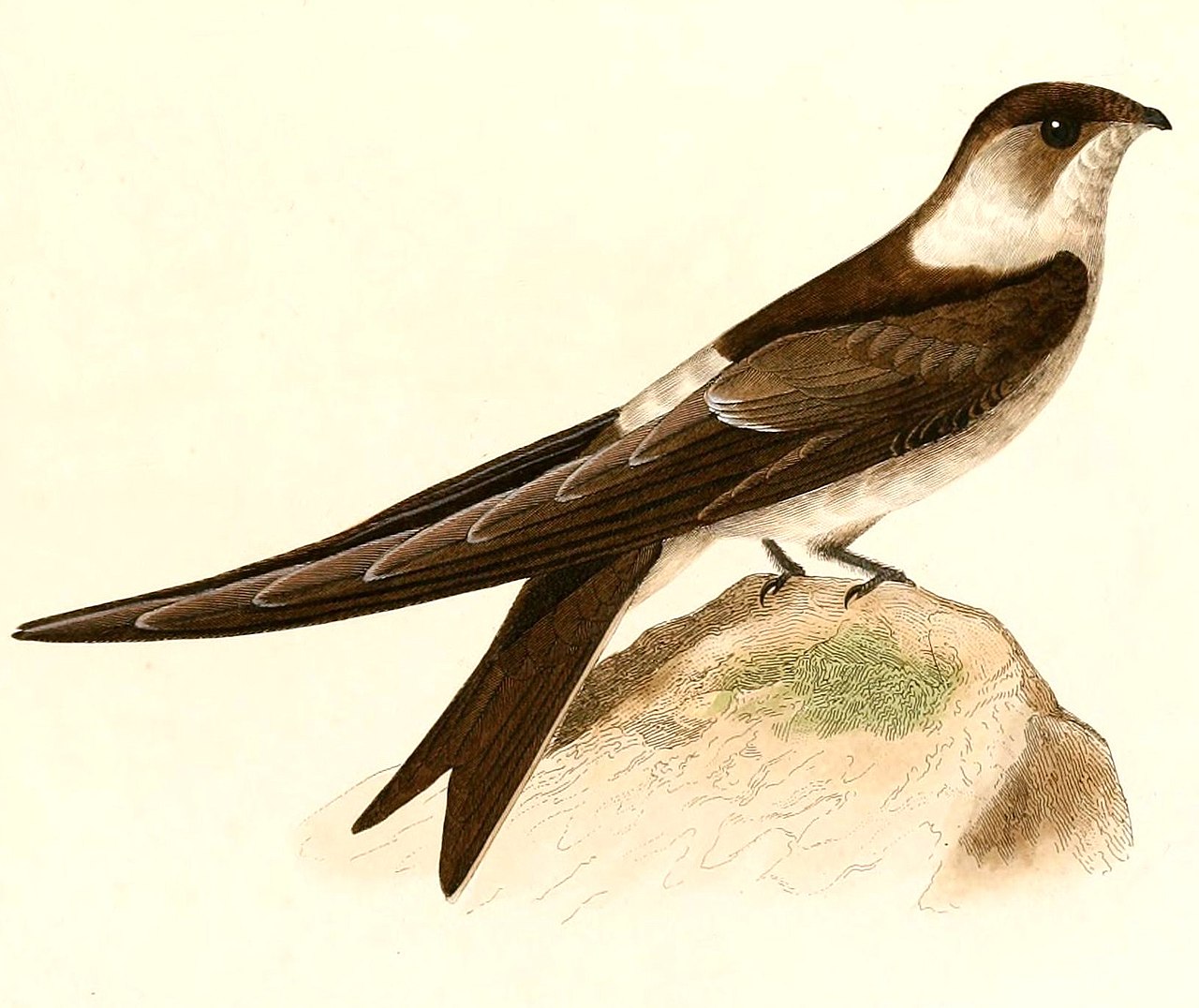
The Andean pygmy owl is a species of owl in the family Strigidae. It is found in Colombia, Ecuador, Peru, and Venezuela.
Region
Northern Andes
Typical Environment
Occurs along the Andes from western Venezuela through Colombia and Ecuador into northern Peru. It inhabits humid montane and cloud forests, including elfin forest, forest edges, and partially disturbed secondary growth. The species typically uses midstory to canopy perches along ridges, ravines, and forest clearings. It is generally uncommon but can be locally fairly common where intact forest persists.
Altitude Range
1500–3600 m
Climate Zone
Highland
Ease of Keeping
Beginner friendly: 1/5
The Andean pygmy owl is a tiny, mostly diurnal owl of high-elevation cloud forests, often detected by its series of clear, piping whistles. Like other pygmy-owls, it has conspicuous false eye-spots on the nape that may deter predators and confuse mobbing songbirds. It readily hunts small birds as well as insects and small mammals, making short dashes from concealed perches. Despite its size, it can be quite bold and is frequently mobbed by mixed-species flocks.


Temperament
solitary and territorial
Flight Pattern
short rapid wingbeats with agile dashes between perches
Social Behavior
Typically solitary outside the breeding season and defends small territories. Nests in tree cavities, often old woodpecker holes, where the female incubates and the male provisions. Clutches are small, and both adults guard the nest area vigorously against intruders.
Migratory Pattern
Resident
Song Description
Gives a steady series of clear, evenly spaced toots or whistles that carry through the forest. Also emits short trills and soft chatter near the nest. Its calls often trigger intense mobbing by small passerines.
Plumage
Compact owl with two main morphs: brown/gray-brown above with fine white spotting, and a rufous morph; underparts are white to buff with dense dark streaking. Tail is short with pale narrow bars. The nape shows prominent dark patches edged pale that form ‘false eyes.’ Feathers are soft and mottled, aiding concealment in mossy, epiphyte-laden forest.
Diet
Takes large insects such as beetles, moths, and orthopterans, as well as small birds, rodents, and occasionally lizards. Hunts from low to mid-canopy perches with sudden sallies to capture prey. Will also make short pursuit flights and glean prey from foliage or trunks. Opportunistic and adapts to prey availability in forest-edge mosaics.
Preferred Environment
Forages along forest edges, trails, and natural gaps where visibility is improved. Uses perches within dense, mossy canopy and along ridge crests and ravines. Often hunts where mixed-species flocks pass through.