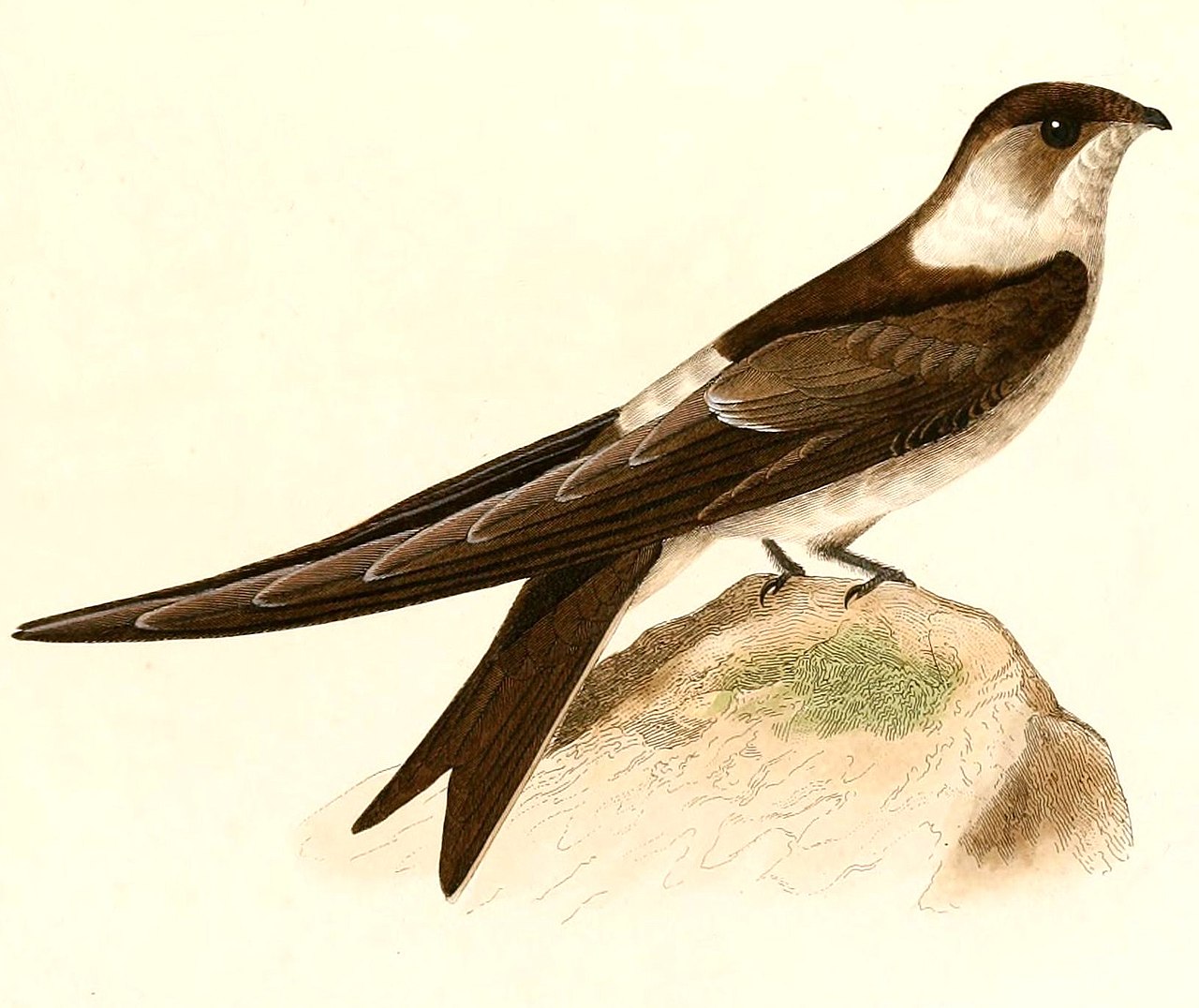
The Andean solitaire is a species of bird in the family Turdidae. It is found in Bolivia, Colombia, Ecuador, Peru, and Venezuela. Its natural habitats are subtropical or tropical moist montane forests and heavily degraded former forest.
Region
Andes Mountains
Typical Environment
Occurs along humid montane slopes from Venezuela and Colombia south through Ecuador and Peru to Bolivia. It favors subtropical and tropical moist montane forests, especially mature cloud forest with abundant fruiting trees. The species also uses forest edges, ravines, and well-regenerated secondary growth. It typically forages in the midstory to canopy, descending lower at forest edges and along trails.
Altitude Range
1000–3500 m
Climate Zone
Highland
Ease of Keeping
Beginner friendly: 1/5
A shy, canopy-dwelling thrush of Andean cloud forests, the Andean solitaire is often heard long before it is seen. Its ethereal, bell-like song carries far across valleys, especially at dawn and dusk. It plays an important role in seed dispersal by consuming a wide variety of forest fruits.


Temperament
solitary and retiring
Flight Pattern
short rapid wingbeats between perches; swift, direct dashes through understory and midstory
Social Behavior
Usually solitary or in pairs, maintaining small territories in fruit-rich areas. Nests are cup-shaped and typically placed on banks, tree cavities, or ledges lined with moss. During breeding, pairs become more vocal but remain discreet within dense vegetation.
Migratory Pattern
Resident
Song Description
A series of clear, fluty, bell-like notes delivered in slow, cascading phrases that carry long distances. Songs are often given from concealed perches at dawn and dusk, with occasional soft whistled calls between phrases.
Plumage
Mostly plain slate-gray to gray-brown with a slightly paler throat and breast; body appears smooth and uniform with minimal streaking. The wings and tail can show a faint warmer brown tone, and the undertail coverts may be subtly rufous. Overall a clean, sleek appearance with minimal contrast.
Diet
Primarily feeds on small fruits and berries from native trees and shrubs, swallowing them whole and later dispersing the seeds. Supplements its diet with insects and other small invertebrates gleaned from foliage and bark. Will sally briefly to catch aerial insects when opportunities arise.
Preferred Environment
Forages in the midstory to canopy of humid montane forest, especially at fruiting trees. Also uses edges, clearings, and along ravines where fruiting plants are abundant.