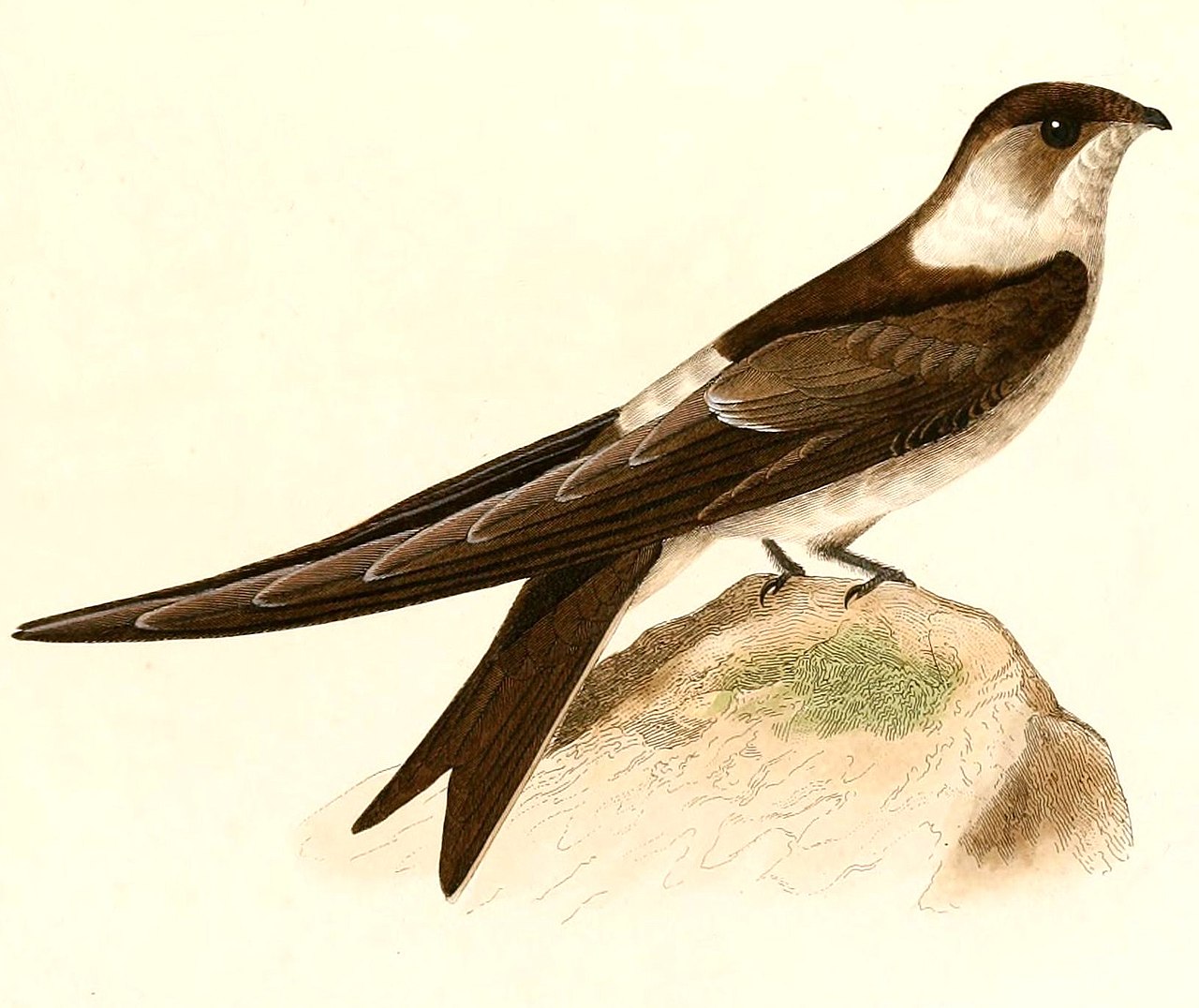
The Andean siskin is a species of finch in the family Fringillidae. It is found in Colombia, Ecuador, and Venezuela. Its natural habitats are subtropical or tropical moist montane forests, subtropical or tropical high-altitude shrubland, subtropical or tropical high-altitude grassland, and heavily degraded former forest.
Region
Northern Andes
Typical Environment
Occurs in the Andes of Colombia, Ecuador, and Venezuela, where it inhabits montane forests, forest edges, high-altitude shrublands, and páramo grasslands. It is regularly found in second-growth, clearings, and along roadsides where seed-bearing plants are abundant. The species is largely resident but may shift elevation locally in response to food. It tolerates moderately disturbed habitats and can appear near rural settlements.
Altitude Range
1800–4000 m
Climate Zone
Highland
Ease of Keeping
Beginner friendly: 2/5
The Andean siskin is a high-Andes finch that often forages in weedy fields and páramo shrublands, frequently targeting composite seedheads. It forms lively flocks outside the breeding season and makes short altitudinal movements following food availability. Males deliver a rapid, twittering song from exposed perches. It is sometimes seen feeding on seeds of Espeletia (frailejones) in páramo zones.


Temperament
social and active
Flight Pattern
short rapid wingbeats with bounding flight
Social Behavior
Outside the breeding season it gathers in small to medium flocks, sometimes mixed with other finches. Pairs form in the breeding season, and the female builds a small cup nest in a shrub or tree. Clutches are typically 3–4 eggs, and both parents attend the young.
Migratory Pattern
Partial migrant
Song Description
A fast, high-pitched twittering series of trills and twinkling notes delivered from exposed perches or in flight. Calls include sharp, metallic chips used to keep contact within flocks.
Plumage
Compact finch with fine streaking on the mantle, bright yellow highlights in wings and tail, and a contrasting head pattern in males. Feathers are mostly olive to yellow-green with darker flight feathers and bold wing panels.
Diet
Primarily consumes small seeds from grasses and composites, including thistles and other weedy plants. It also takes buds and tender plant material, and occasionally small arthropods, especially during the breeding season. Foraging often involves agile gleaning and hanging from seedheads to extract seeds.
Preferred Environment
Feeds along forest edges, in second-growth, páramo shrublands, and open fields rich in seed-bearing plants. It readily uses roadside weeds and agricultural margins where thistles and asters are common.