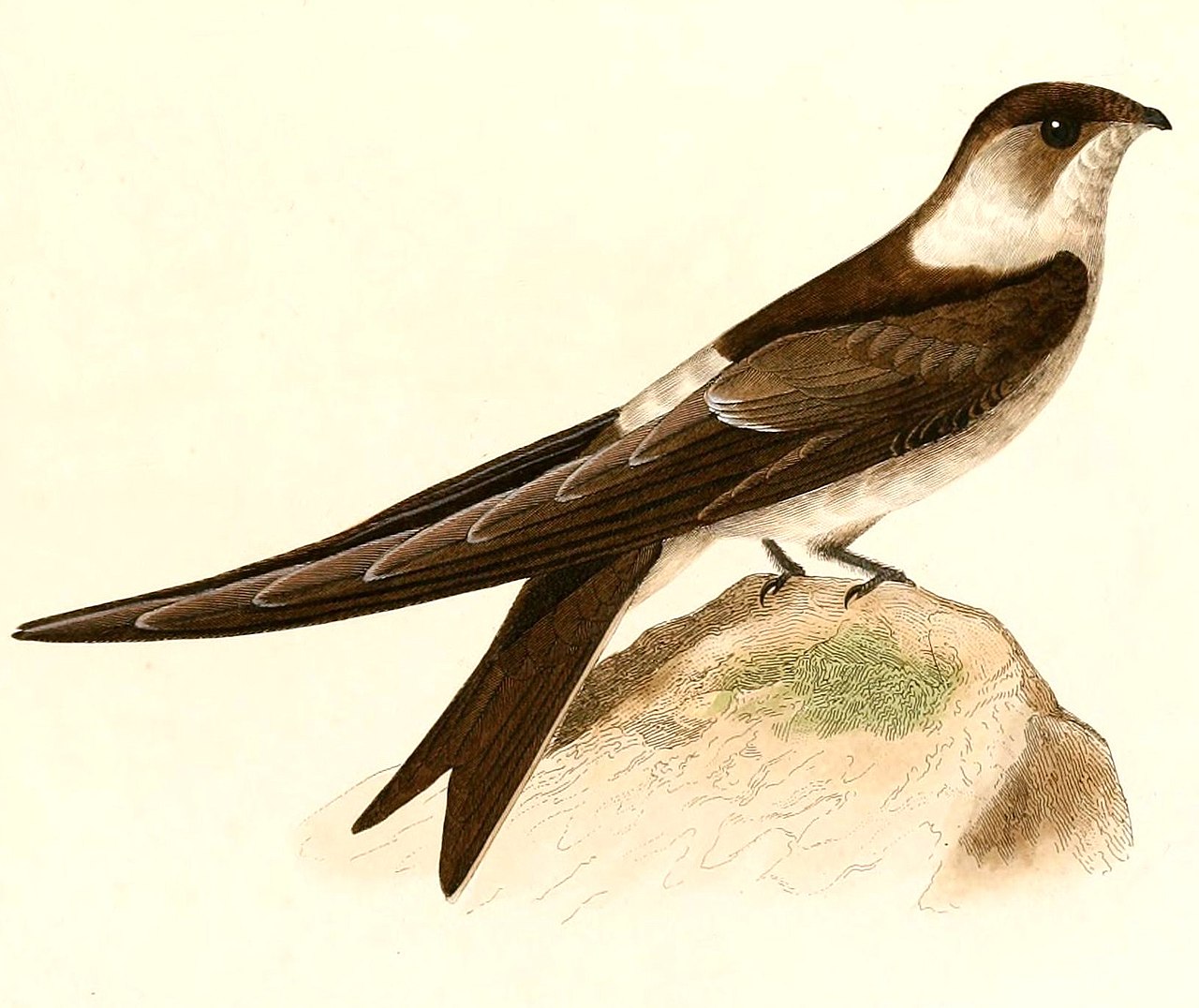
The Andean swallow is a species of bird in the family Hirundinidae. It was formerly placed in the monotypic genus Haplochelidon. It is found in the Altiplano of Peru, Bolivia and far northern Chile and Argentina. Its natural habitats are subtropical or tropical high-elevation shrubland and subtropical or tropical high-elevation grassland.
Region
Andes Mountains
Typical Environment
Occurs on the Altiplano of southern Peru and western Bolivia, extending into far northern Chile and northwestern Argentina. It favors open high Andean habitats, including puna grasslands, shrubby slopes, and rocky flats. Birds also use human-altered sites such as villages, pastures, and road cuts where insects are abundant. It is most frequently seen flying low over open country and along ridges or valley bottoms.
Altitude Range
3000–4800 m
Climate Zone
Highland
Ease of Keeping
Beginner friendly: 1/5
The Andean swallow is a high-elevation specialist that forages low over puna grasslands and shrublands in the Altiplano. It was formerly placed in the monotypic genus Haplochelidon. Well adapted to thin air and cool temperatures, it often perches on rocks, fence posts, and buildings between feeding bouts. Flocks frequently gather around grazing livestock to snatch insects disturbed from the grass.


Temperament
social and active
Flight Pattern
short rapid wingbeats with agile, low swoops and brief glides
Social Behavior
Often seen in small loose flocks or mixed swallow groups, especially outside the breeding season. Nests in small colonies or scattered pairs, placing nests in rock crevices, cliff holes, or human structures. Pairs are likely monogamous and line nests with grasses and feathers.
Migratory Pattern
Resident with local altitudinal movements
Song Description
Gives high, thin twitters and dry chips while in flight. Near colonies it produces soft buzzy trills and chatters, forming a subdued, constant chorus.
Plumage
Dull brown to sooty-brown upperparts with paler, gray-buff underparts and a slightly darker breast shading. Throat is paler and can appear whitish, with subtle dusky wash on the sides of the breast and flanks. Tail is short and shallowly forked.
Diet
An aerial insectivore that takes small flying insects such as flies, beetles, and winged ants. It often feeds close to the ground, seizing insects flushed by wind or grazing animals. During cooler periods, it may concentrate near sunlit slopes and sheltered leeward areas where insects are more active.
Preferred Environment
Open puna grasslands, shrubby hillsides, and rocky flats with scattered perches such as boulders, fence posts, and buildings. Frequently forages along edges of wetlands, pastures, and roads where insect density is high.