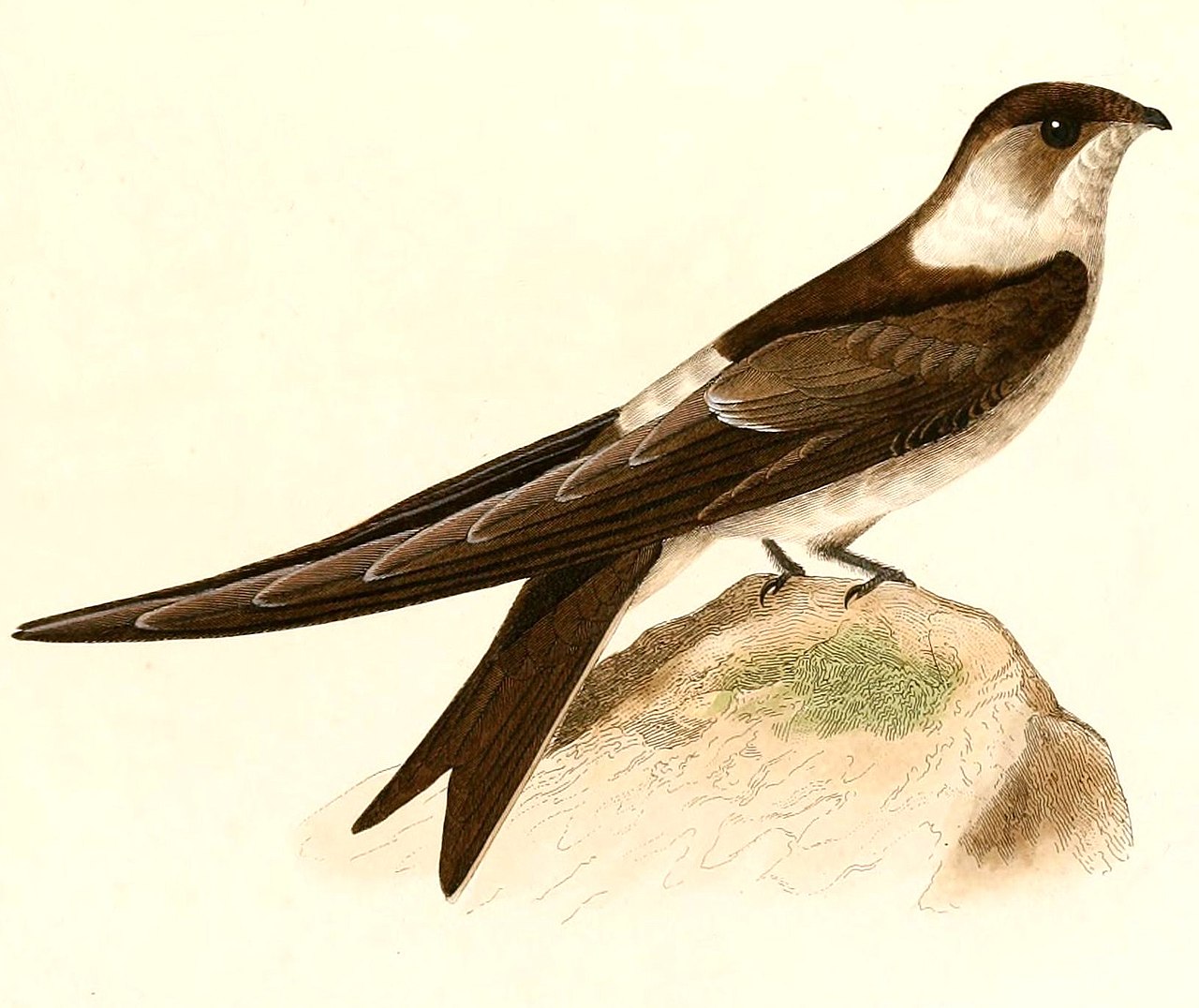
The Andean slaty thrush is a species of bird in the family Turdidae. It was formerly considered conspecific with the blacksmith thrush, with the combined species known as slaty thrush.
Region
Andes Mountains
Typical Environment
Occurs in humid montane and cloud forests, forest edges, and mature secondary growth along the Andean slopes. Prefers dense, mossy understory and shaded clearings, often near fruiting trees. It forages on the ground and in low to mid-levels, especially along trails, stream margins, and gaps. The species ranges through parts of Colombia, Ecuador, Peru, Bolivia, and northwestern Argentina where suitable forest persists.
Altitude Range
800–3000 m
Climate Zone
Highland
Ease of Keeping
Beginner friendly: 1/5
The Andean slaty thrush is a medium-sized Turdus thrush of humid Andean forests, where it keeps to shaded understory and edges. It was formerly lumped with the eastern 'blacksmith thrush' (Turdus subalaris) under the name slaty thrush, but vocal and plumage differences support the split. It often makes short forays from low perches to snatch insects or fallen berries on the forest floor. Its mellow, fluty dawn song carries surprisingly well through cloud forest mist.


Temperament
shy and skulking
Flight Pattern
short rapid wingbeats with low, direct dashes between cover
Social Behavior
Usually solitary or in pairs, especially during the breeding season. Builds a neat cup nest of fibers and moss on a branch fork or ledge at low to mid-levels. Both parents attend the nest, and territories are defended with song and chases.
Migratory Pattern
Partial migrant
Song Description
A mellow series of fluty, clear whistles delivered at dawn and dusk, with pauses between phrases. Calls include thin tseep notes and soft chuck clucks when alarmed. The song is less varied than some congeners but carries well in montane forest.
Plumage
Mostly uniform slaty-gray with a darker, blackish-toned head; underparts are slightly paler gray with subtle scaling on the throat. Feathers appear smooth and matte, giving a monochrome look in dim forest light. A fine, pale eye-ring is often visible, and underwings show a dull, slightly browner tone in flight.
Diet
Takes a mixed diet of ground-dwelling insects, spiders, and other arthropods, supplemented with small fruits and berries. Will flip leaf litter to expose prey and also glean from low branches. During fruiting peaks it may rely heavily on berries, later switching to more invertebrates after rains.
Preferred Environment
Forages along shaded forest trails, stream edges, and in dense understory near forest edges. Also uses secondary growth and small clearings where fruiting shrubs are abundant.