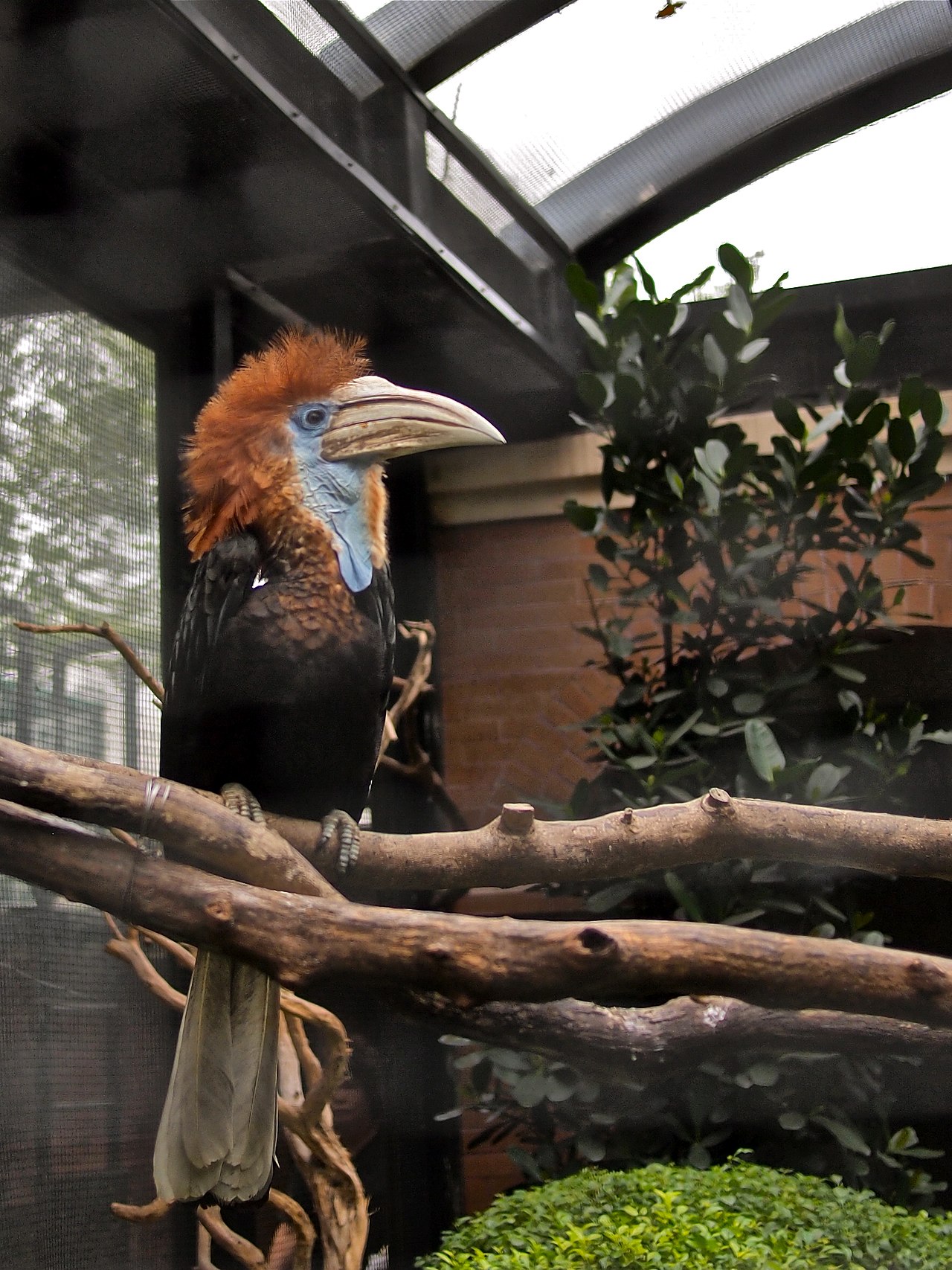
The yellow-browed toucanet is an Endangered species of near-passerine bird in the toucan family Ramphastidae. It is endemic to Peru.
Region
Andes Mountains
Typical Environment
Found on the east Andean slopes within the Huallaga Valley of north-central Peru, primarily in humid montane and cloud forests. It frequents forest interiors, edges, and secondary growth where fruiting trees are abundant. The species often uses mid- to upper-canopy strata but may descend to lower levels to feed. Habitat loss from agriculture and logging has fragmented its range, confining it to remnant forest patches.
Altitude Range
1200–2400 m
Climate Zone
Highland
Ease of Keeping
Beginner friendly: 2/5
This striking green toucanet is confined to the Huallaga Valley region of north-central Peru, where it inhabits humid montane forests. It is threatened primarily by deforestation and habitat fragmentation. Like other toucanets, it nests in tree cavities and plays an important role in seed dispersal. Its bold yellow eyebrow makes it one of the most distinctive members of its genus.


Temperament
social and active
Flight Pattern
short rapid wingbeats between trees
Social Behavior
Typically seen in pairs or small family groups moving through the mid- and upper canopy. Breeds in natural cavities or old woodpecker holes; both parents participate in incubation and feeding. Territorial displays include bill clacking and calling from prominent perches.
Migratory Pattern
Resident
Song Description
Gives a series of resonant, hollow notes and croaking calls repeated at intervals. Calls carry through the forest and are often used for contact within pairs or small groups.
Plumage
Mostly rich green with a contrasting yellow supercilium, dusky crown tones, and rufous undertail coverts; throat may show a paler or slightly bluish wash. Bill is bicolored with a pale culmen and darker lower areas, and the facial skin can appear pale around the eye.
Diet
Primarily eats a variety of fruits, swallowing small fruits whole and later dispersing seeds. Also takes insects and other arthropods gleaned from foliage and bark. Opportunistically consumes small vertebrates or eggs, especially during breeding.
Preferred Environment
Forages in the mid- to upper canopy of humid montane and cloud forests, especially at fruiting trees. Frequently visits forest edges and secondary growth where fruit resources are concentrated.