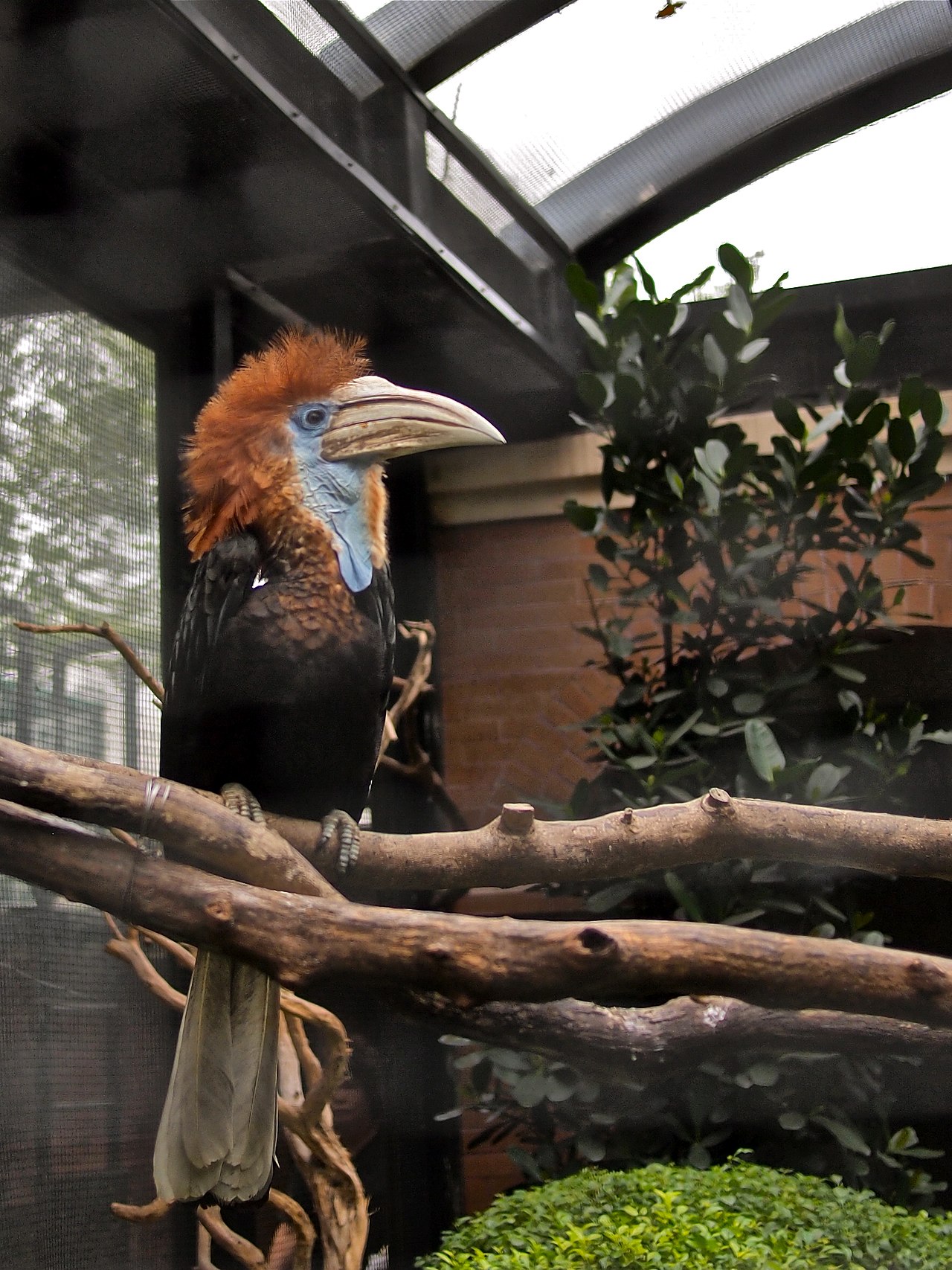
The yellow-capped weaver is a species of bird in the family Ploceidae. It is found in Cameroon, Central African Republic, Republic of the Congo, Democratic Republic of the Congo, and Gabon.
Region
Central Africa
Typical Environment
Occurs in lowland rainforests and swamp forests of Cameroon, Central African Republic, Republic of the Congo, Democratic Republic of the Congo, and Gabon. It favors forest edges, riverine gallery forests, and secondary growth near clearings or villages. Birds often forage from the understory to the mid-canopy, sometimes joining mixed-species flocks. Nesting usually takes place near water, where colonies suspend nests from palms and other overhanging vegetation.
Altitude Range
0–1200 m
Climate Zone
Tropical
Ease of Keeping
Beginner friendly: 1/5
This Central African weaver is named for the male’s bright yellow crown during the breeding season. Like many weavers, males construct intricate, hanging, oval nests from strips of grass and palm leaves to attract females, often over water for protection. It commonly nests in small colonies and can be seen with other forest-edge birds.

Temperament
social and active
Flight Pattern
short rapid wingbeats
Social Behavior
Typically nests in small colonies, often near or over water. Males weave pendent nests and display to attract females; females inspect and may reject poorly built nests. Pairs are seasonal breeders, and birds may join mixed-species foraging groups outside the breeding period.
Migratory Pattern
Resident
Song Description
Song is a rapid series of chattering, buzzy notes interspersed with metallic ticks. Calls include sharp chips and scolds given during colony activity and foraging.
Plumage
Male shows a bright yellow crown with olive to brown upperparts that are streaked or speckled, and yellowish underparts; bill is stout and dark. Female and non-breeding birds are duller, with more subdued yellow on the head and heavier streaking on the back. Overall appearance is of a compact weaver with a slightly streaked back and contrasting yellow cap in males.
Diet
Takes a variety of insects such as beetles, caterpillars, and termites, supplemented with seeds and small fruits. It gleans prey from foliage and probes into flower heads or seed heads. Opportunistically visits flowering trees and shrubs for nectar or insects attracted to blossoms.
Preferred Environment
Forages along forest edges, in secondary growth, and in riverine vegetation. Often uses mid-level foliage and outer branches, occasionally descending to the understory or ground at clearings.