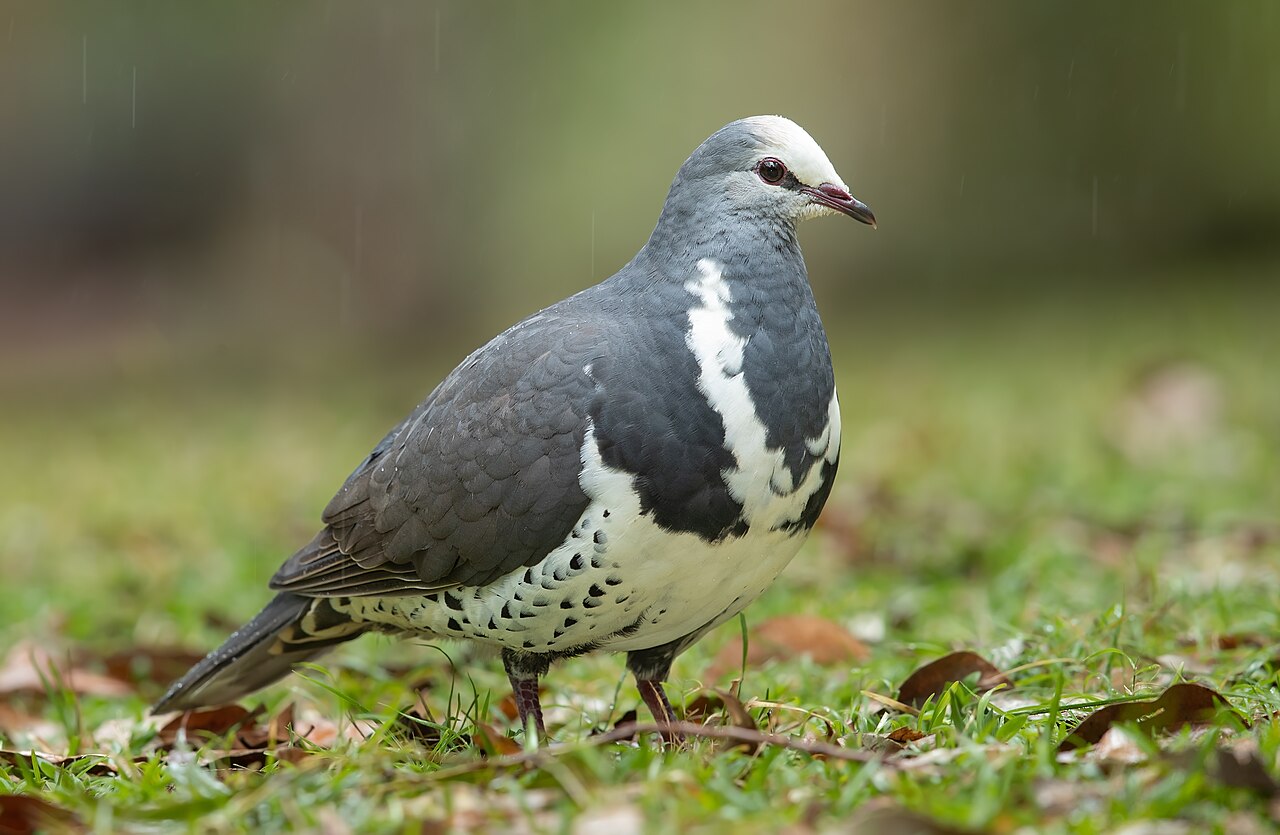
The wire-tailed manakin is a species of bird in the family Pipridae. It is found Brazil, Colombia, Ecuador, Peru, and Venezuela.
Region
Western Amazon Basin
Typical Environment
Occurs in lowland tropical rainforests of Brazil (western Amazon), Colombia, Ecuador, Peru, and southern Venezuela. Prefers terra firme and flooded (várzea) forests, forest edges, and light gaps. Often seen in the lower to mid-story near leks set on horizontal saplings. Uses secondary growth and edges for feeding where fruit is abundant.
Altitude Range
0–1000 m
Climate Zone
Tropical
Ease of Keeping
Beginner friendly: 1/5
Wire-tailed manakin males gather at leks where they perform energetic displays with rapid hops, wing-snaps, and whirring sounds to attract females. The species is named for its extremely long, wiry central tail feathers that end in tiny discs. As a primarily fruit-eating bird, it plays a role in seed dispersal in Amazonian forests.


Temperament
shy in the forest but highly active and bold at leks
Flight Pattern
short rapid wingbeats
Social Behavior
Males display on leks, each defending small courts where they perform coordinated hops and darts. Females visit leks to select mates, then nest and rear young alone. Nests are typically small cups placed low to mid-level in dense vegetation.
Migratory Pattern
Resident
Song Description
High, thin whistles interspersed with sharp mechanical snaps produced by the wings. Display sequences include rapid ticking, buzzing, and sliding notes that carry through the understory.
Plumage
Male is glossy black with a bright, contrasting head and strikingly elongated wiry central tail feathers ending in small discs; female is olive-green with a more subdued appearance. Both sexes are compact with short bills; males show strong color contrast at the head and throat.
Diet
Primarily eats small, ripe fruits and berries, swallowing them whole and later dispersing seeds. Supplements diet with small arthropods captured by short sallies or gleaned from foliage. Foraging is typically deliberate, with short flights between fruiting shrubs and trees.
Preferred Environment
Feeds in the understory and mid-story of humid lowland forest, especially at forest edges, light gaps, and along streams. Frequently visits fruiting trees and mixed-species fruiting patches.