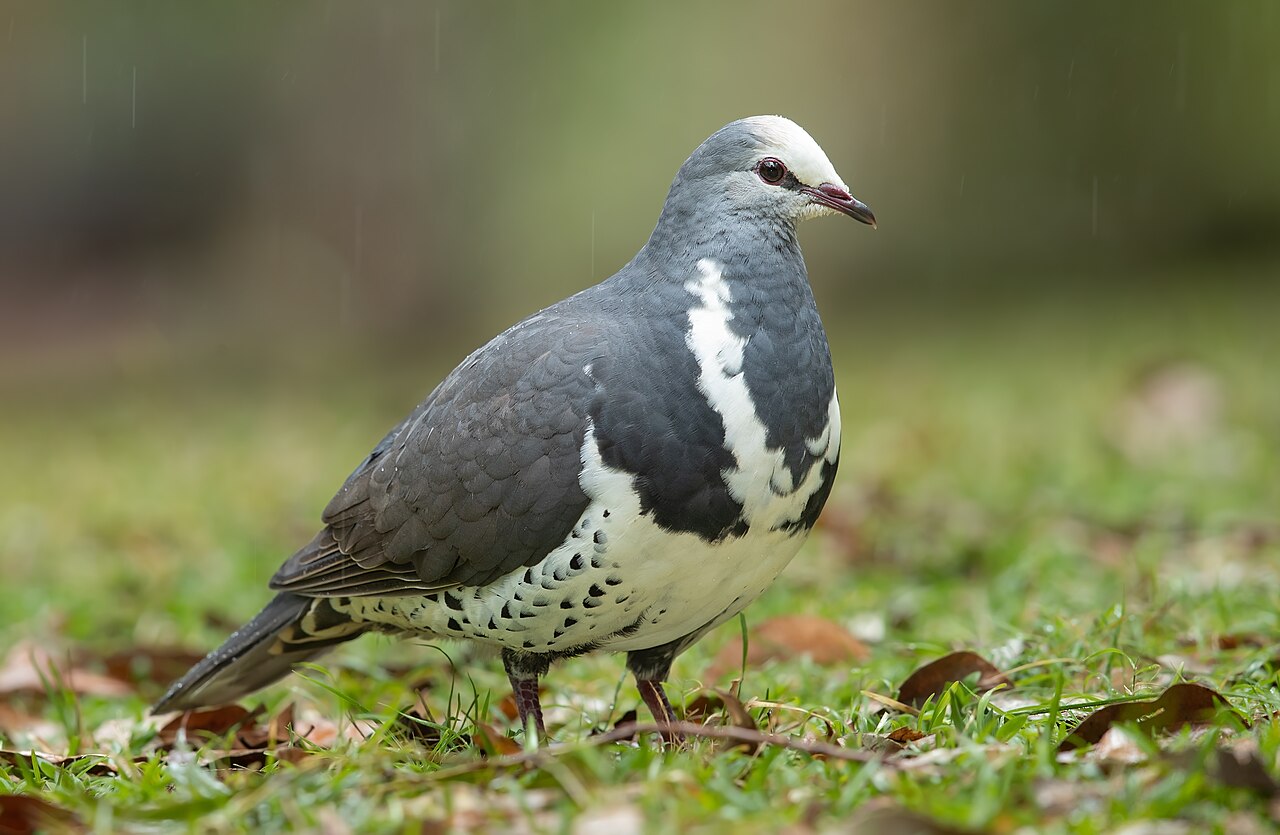
Winifred's warbler, also known as Mrs. Moreau's warbler, is a species of bird in the family Cisticolidae. It is the only species placed in the genus Scepomycter. It was first recorded and named by the ornithologist Reginald Moreau after his wife, Winifred Muriel Moreau née Bradberry.
Region
Eastern Arc Mountains
Typical Environment
Occurs in fragmented blocks of montane and submontane forest in the Eastern Arc of Tanzania, especially dense, moist evergreen forest with tangled understory. It keeps to shaded thickets, vine tangles, and forest edges, often near ravines and along streams. The species’ small, patchy range and dependence on intact understory make it vulnerable to logging and agricultural encroachment.
Altitude Range
1200–2400 m
Climate Zone
Highland
Ease of Keeping
Beginner friendly: 1/5
Also called Mrs. Moreau's warbler, it is the sole species in the genus Scepomycter and was named by Reginald Moreau in honor of his wife, Winifred. It is confined to Tanzania’s Eastern Arc Mountains and is highly sensitive to forest loss. Populations once assigned to this species in the Rubeho–Ukaguru Mountains were split as the Rubeho warbler (Scepomycter rubehoensis), highlighting its distinctiveness.
Temperament
shy and skulking
Flight Pattern
short rapid wingbeats, low through understory
Social Behavior
Usually found singly or in pairs, sometimes accompanying mixed-species flocks in the forest understory. Likely monogamous, maintaining small territories. Nests are placed low in dense vegetation where cover is thick.
Migratory Pattern
Resident
Song Description
A thin, high-pitched series of trills and squeaky notes delivered from concealed perches. Calls are sharp chips used to stay in contact while moving through thick cover.
Plumage
Subtle, with olive to grayish upperparts and paler yellowish underparts; throat often lighter. Feathers appear smooth and sleek, suited to moving through dense foliage.
Diet
Primarily takes small insects and other arthropods gleaned from leaves, twigs, and bark. It probes and picks methodically in tangles and vine thickets. Occasionally hawks short distances to snatch flushed prey.
Preferred Environment
Feeds in the shaded understory and midstory of moist evergreen forest, especially along edges, gullies, and streamside thickets. Often forages within dense foliage where it remains difficult to see.