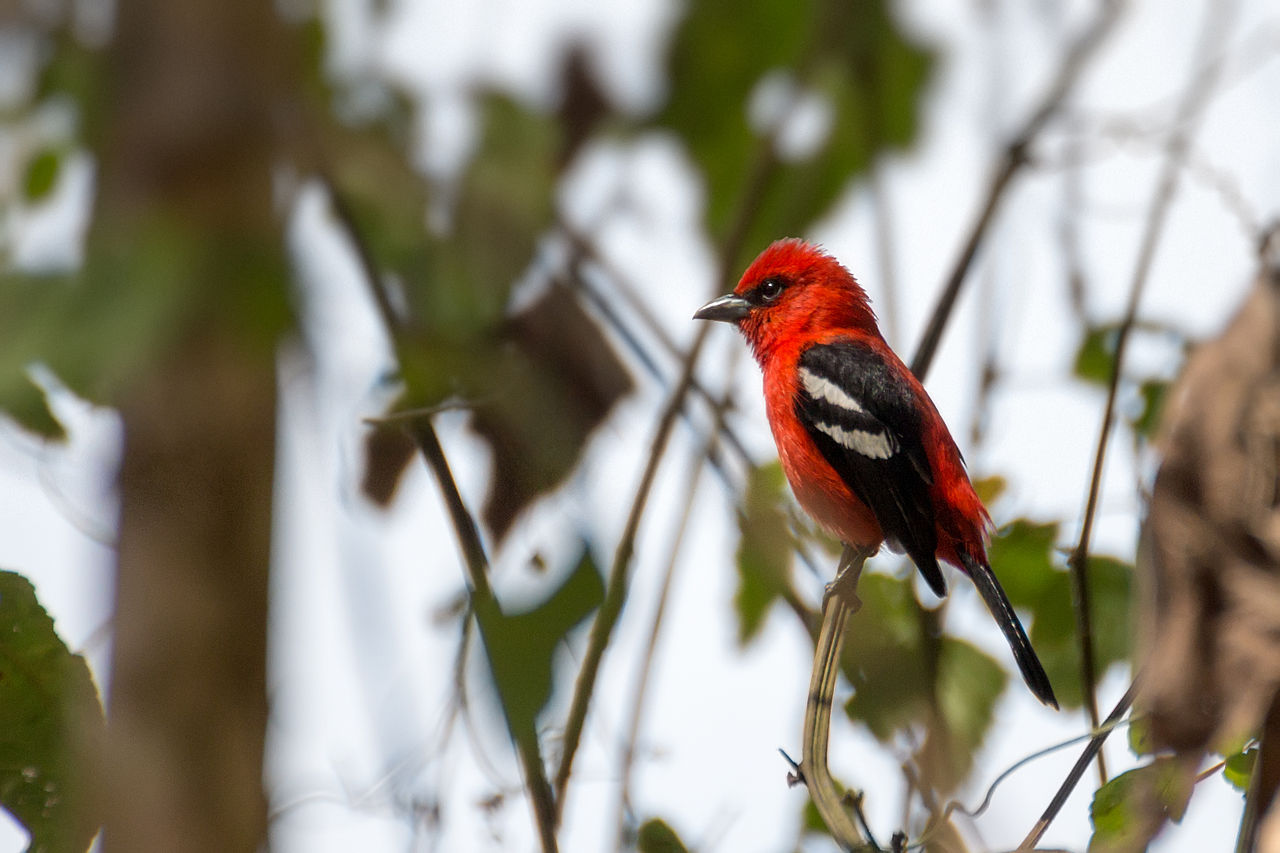
The white-winged scoter is a large sea duck. The genus name is derived from Ancient Greek melas "black" and netta "duck". The species name commemorates French ornithologist Côme-Damien Degland.
Region
Northern North America
Typical Environment
Breeds across the boreal forest and prairie–parkland regions of Canada and Alaska on large freshwater lakes and ponds with ample emergent cover. Winters mainly along the Pacific and Atlantic coasts of North America, as well as the Great Lakes, favoring protected bays, estuaries, and nearshore waters with mussel beds. During migration it concentrates at large inland lakes and coastal lagoons. Outside the breeding season it forms sizable rafts just offshore, often mixed with other scoters and sea ducks.
Altitude Range
Sea level to 1500 m
Climate Zone
Continental
Ease of Keeping
Beginner friendly: 1/5
The white-winged scoter is a large sea duck; its genus name comes from Greek melas (black) and netta (duck), and the species name honors French ornithologist Côme-Damien Degland. Males show a bold white wing patch and a white comma-shaped mark around the eye, striking in flight and at rest. They dive deeply to pry mussels and clams from the seabed and often gather in dense winter rafts on coastal waters.


White patches are visible but not conspicuous when wings are folded
Temperament
social and gregarious
Flight Pattern
strong, direct flight with rapid wingbeats low over water
Social Behavior
Outside the breeding season it forms dense rafts offshore, often numbering hundreds. Breeding pairs nest on the ground near water, usually concealed in vegetation; the female incubates and leads the brood to feeding areas. Generally monogamous within a season, with loose colonies where habitat is suitable.
Migratory Pattern
Seasonal migrant
Song Description
Generally quiet at sea; males give mellow whistles and soft cooing notes in courtship. Females produce harsher grunts and croaks, especially when alarmed or shepherding broods.
Plumage
Males are mostly black with conspicuous white secondary patches and a small white comma at the eye; females are chocolate-brown with paler underparts and bold white facial patches plus white in the wing. Plumage appears sleek and tight, aiding underwater diving.
Diet
Primarily dives for marine bivalves such as mussels and clams, prying them from substrates and swallowing them whole. Also takes crustaceans, aquatic insects, and other invertebrates; on breeding lakes it consumes more insect larvae and amphipods. Occasional plant material and fish eggs are taken opportunistically.
Preferred Environment
Forages by diving in coastal bays, estuaries, and nearshore waters over mussel beds in winter. On freshwater breeding lakes, it dives along vegetated margins and open water for invertebrates.