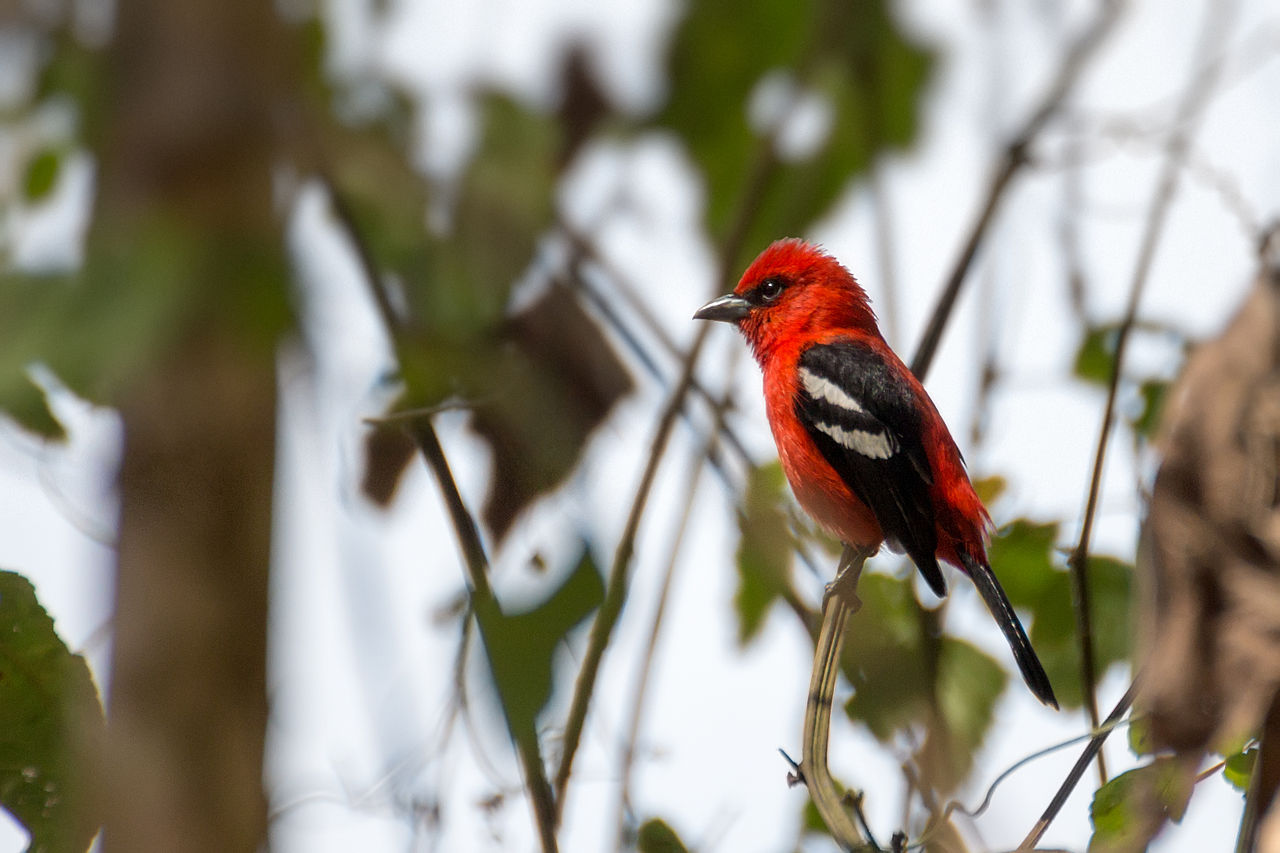
The white-winged snowfinch, or snowfinch, is a small passerine bird. Despite its name, it is a sparrow rather than a true finch.
Region
Southern European and Central Asian mountains
Typical Environment
Found in high mountain ranges from the Iberian Peninsula and the Alps through the Balkans and Anatolia to the Caucasus and parts of Central Asia. It occupies open, rocky habitats above the treeline, including alpine meadows, talus slopes, and snowfields. In winter it often descends to lower elevations, villages, and ski resorts where snow-free patches and human food sources are available. It nests in crevices, holes, and occasionally man-made structures near cliffy terrain. Local movements follow snowmelt and food availability.
Altitude Range
1500–4500 m
Climate Zone
Highland
Ease of Keeping
Beginner friendly: 1/5
The white-winged snowfinch is a mountain sparrow that lives above the treeline, often seen around cliffs, scree, and even ski stations. Its bold white wing panels flash conspicuously in flight. It nests in rock crevices or buildings and makes short altitudinal movements in winter to find food. Despite its common name, it is a true sparrow (family Passeridae), not a finch.


In Tarn, France in December showing winter colours including an orange beak

In Northern Alps, France in winter

Eggs from the collection of the Museum de Toulouse
Temperament
social and active
Flight Pattern
strong flier with rapid, direct flight and bounding undulations over open slopes
Social Behavior
Often forms small to medium flocks outside the breeding season, frequently foraging together on windswept ridges and around human structures. Breeds in loose colonies or scattered pairs, placing nests in crevices, holes, or under roofs. Generally monogamous with both parents feeding the young.
Migratory Pattern
Partial migrant
Song Description
Song is a bright, tinkling series of trills and twittering phrases that carry well in thin mountain air. Calls include sharp, metallic cheeps and soft chatters used to keep contact within flocks.
Plumage
Grey head with brown mantle and back, white underparts, and very prominent white wing panels contrasting with dark flight feathers. Tail mostly dark with white edges; overall clean, crisp patterning. Plumage appears sleek and tight-feathered, suited to harsh alpine conditions.
Diet
In summer it takes a variety of invertebrates such as insects and spiders, gleaned from ground surfaces, rock edges, and meltwater margins. In winter it switches largely to seeds, buds, and plant material, and will opportunistically take crumbs around ski lodges and huts. It also snaps small prey in short sallies when conditions allow. The flexible diet helps it persist in the highly seasonal alpine environment.
Preferred Environment
Feeds mostly on the ground in open, sparsely vegetated alpine zones, especially windblown snow-free patches. Frequently forages around rocky outcrops, scree, and along the edges of melting snow. In winter, it often exploits human-altered areas such as car parks and buildings at high elevations.