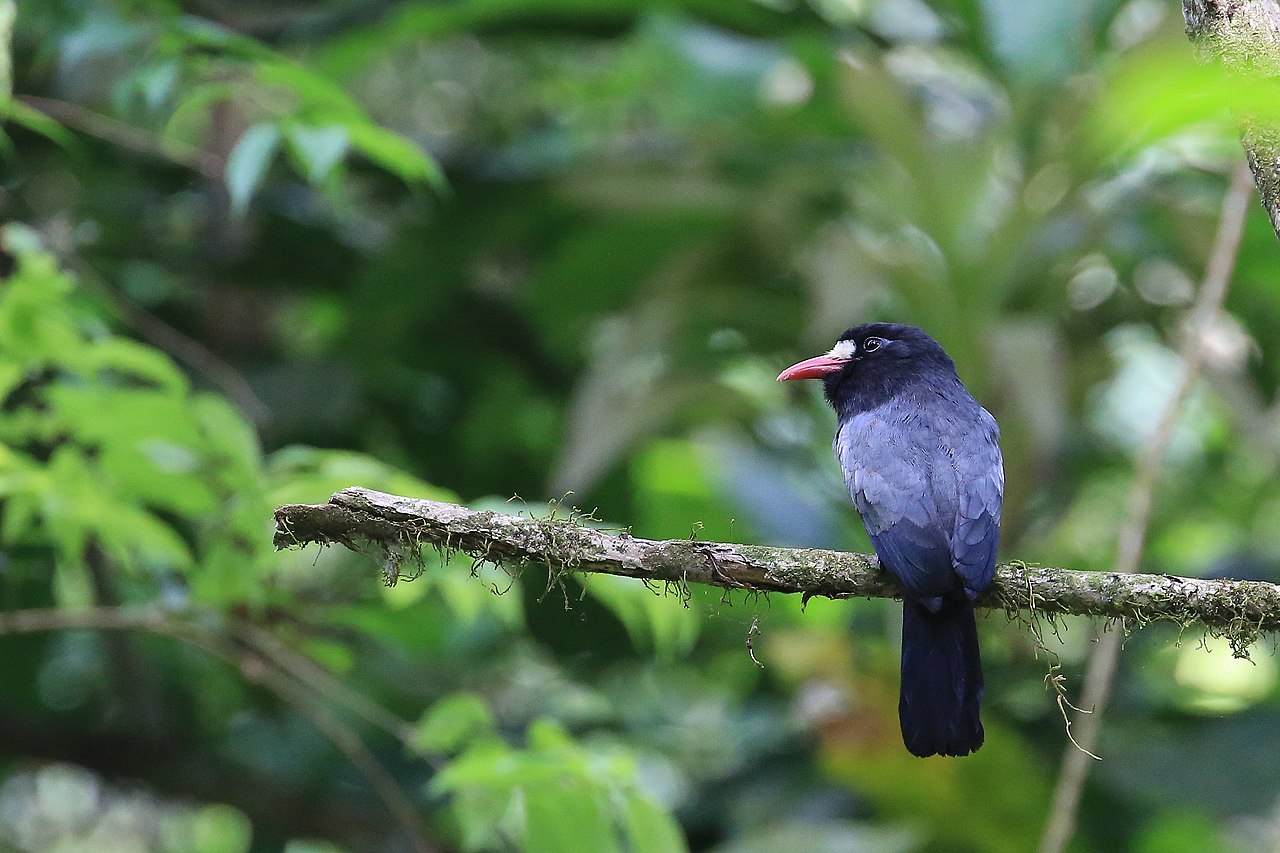
The white-fronted ground tyrant is a species of bird in the tyrant flycatcher family Tyrannidae. It is found in Bolivia, Chile, and Peru.
Region
Andes Mountains
Typical Environment
Occurs in the high Andes of Peru, Bolivia, and northern Chile. It favors open puna grasslands, barren rocky slopes, and scree near and above treeline. Birds often use cushion bog edges, alpine meadows, and sparsely vegetated flats, perching on rocks, posts, or low mounds to watch for prey. In the non-breeding season, some individuals descend to slightly lower intermontane valleys and high-altitude pastures.
Altitude Range
3000–5000 m
Climate Zone
Highland
Ease of Keeping
Beginner friendly: 1/5
A high-Andean flycatcher that often forages on the ground, it frequently perches on boulders or fence posts to scan for insects. Its crisp white forehead makes it stand out among otherwise gray-brown ground-tyrants. It breeds at very high elevations and may move downslope in the non-breeding season. The species is generally unobtrusive but will bob its tail and make short sallies to catch prey.


Temperament
solitary and territorial
Flight Pattern
short rapid wingbeats, low over the ground
Social Behavior
Usually seen singly or in pairs, especially during the breeding season. Nests are placed on or near the ground, often tucked among rocks, earthen banks, or man-made crevices, and are built from grasses and plant fibers. Both parents participate in feeding the young. Outside breeding, individuals may loosely associate where food is abundant.
Migratory Pattern
Partial migrant
Song Description
Vocalizations are simple and subdued, composed of thin, high-pitched chips and short trills. Songs are brief and delivered from a low perch or while making short aerial sallies.
Plumage
Plain gray to gray-brown upperparts with pale, mostly whitish underparts and a clean, contrasting white forehead. The head is gray with a darker eye-line, and the tail is dark with subtle rufous tones at the base. Overall plumage is smooth and minimally streaked, giving a neat, crisp look.
Diet
Primarily takes insects such as beetles, flies, ants, and their larvae, and will also snatch spiders and other small arthropods. It forages by running and pausing on open ground, then pouncing on prey or making short aerial sallies from a low perch. Prey is typically swallowed whole after quick subduing. Opportunistic feeding increases during sunny, wind-sheltered periods when insects are active.
Preferred Environment
Feeds in open puna grasslands, rocky flats, and along bog margins where bare ground and short vegetation allow easy spotting of prey. Frequently uses rocks, fence posts, or hummocks as vantage points to scan and launch short sallies.