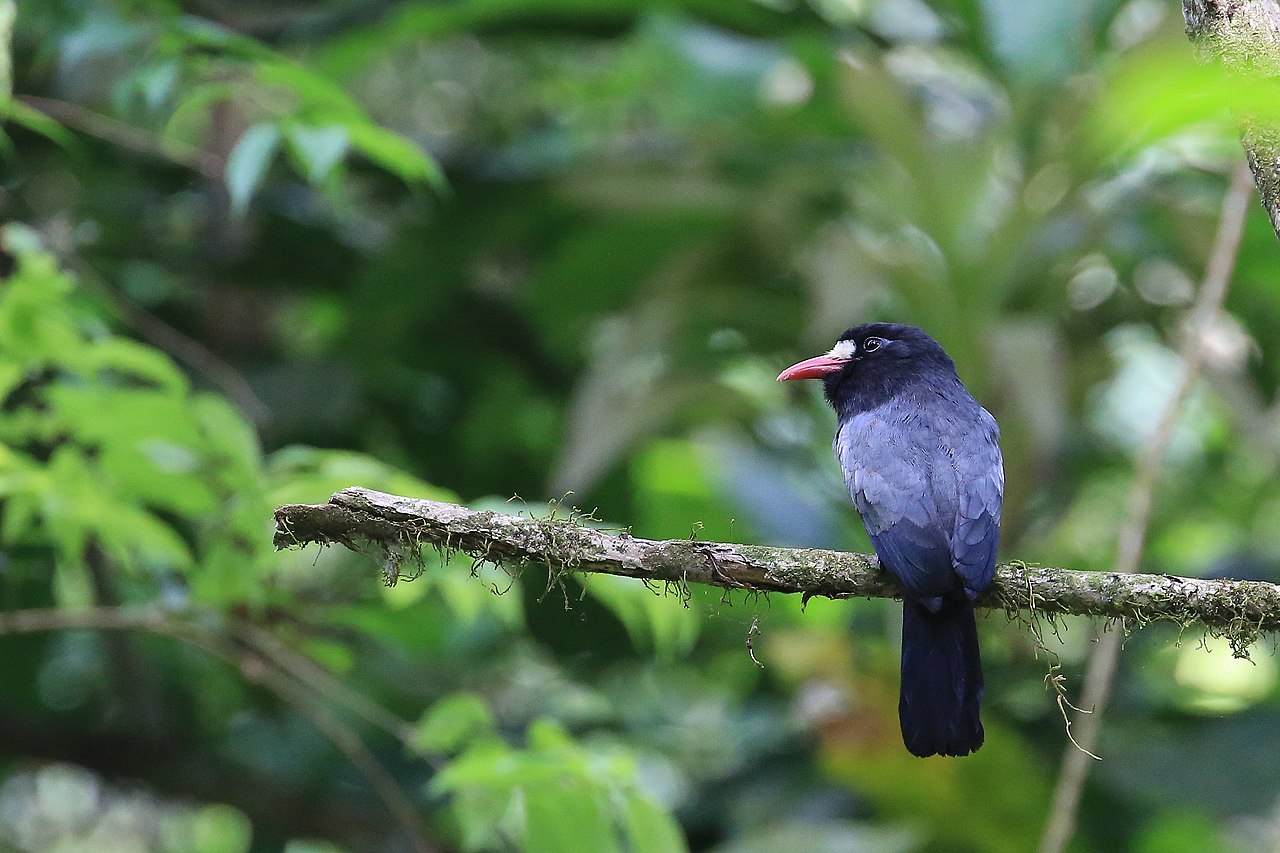
The white-fronted honeyeater is a medium-sized bird species endemic to Australia. Mainly distributed throughout arid and semi-arid landscapes. The white-fronted honeyeater has distinct colourings with a white face, black or brown upper chest with white speckles and yellow panels on their brown wings.
Region
Central and southern Australia
Typical Environment
Occurs across arid and semi-arid interiors, especially in mallee and mulga woodlands, acacia shrublands, and open eucalypt communities. It frequents areas with flowering eucalypts, grevilleas, and hakeas, and can appear suddenly where blooms follow rainfall. The species also uses chenopod shrublands and spinifex country, and visits watercourses and creeklines in dry country. Its occurrence is patchy and variable, reflecting nomadic movements tied to nectar availability.
Altitude Range
Sea level to 1000 m
Climate Zone
Arid
Ease of Keeping
Beginner friendly: 1/5
This honeyeater is the only species in its genus, Purnella. It is notably nomadic, tracking flowering bursts of eucalypts and other nectar sources after rain. The bold white face and yellow wing panels make it one of the more easily recognized arid-zone honeyeaters. It often joins mixed feeding flocks with other honeyeaters when resources are abundant.


Temperament
active and sometimes territorial around rich nectar sources
Flight Pattern
short rapid wingbeats with an undulating, agile flight
Social Behavior
Usually seen singly or in small groups, but aggregates at flowering trees and shrubs. Breeding typically follows rain, with a cup-shaped nest placed in shrubs or low trees. Pairs may defend a nesting area while still moving widely when resources shift.
Migratory Pattern
Partial migrant
Song Description
Calls are clear, piping notes mixed with buzzy chatters and metallic tinkling phrases. Song can become more persistent at dawn and near flowering trees where birds congregate.
Plumage
Brown to olive-brown upperparts with a contrasting white face and forehead; breast dark with fine white streaks or speckles. Yellow panels show in the wings, and the tail has pale edging. Underparts are paler brown to greyish with subtle streaking.
Diet
Primarily feeds on nectar from eucalypts, grevilleas, and hakeas, supplemented with insects and spiders gleaned from foliage and bark. Also takes honeydew, lerp, and occasionally small fruits. During flowering events, it intensively exploits nectar, then shifts to more insect-rich foraging when blooms fade.
Preferred Environment
Forages in flowering eucalypt canopies, mallee thickets, and along creekline trees and shrubs. Will also feed lower in acacias and native shrubs and hawk short distances for flying insects.