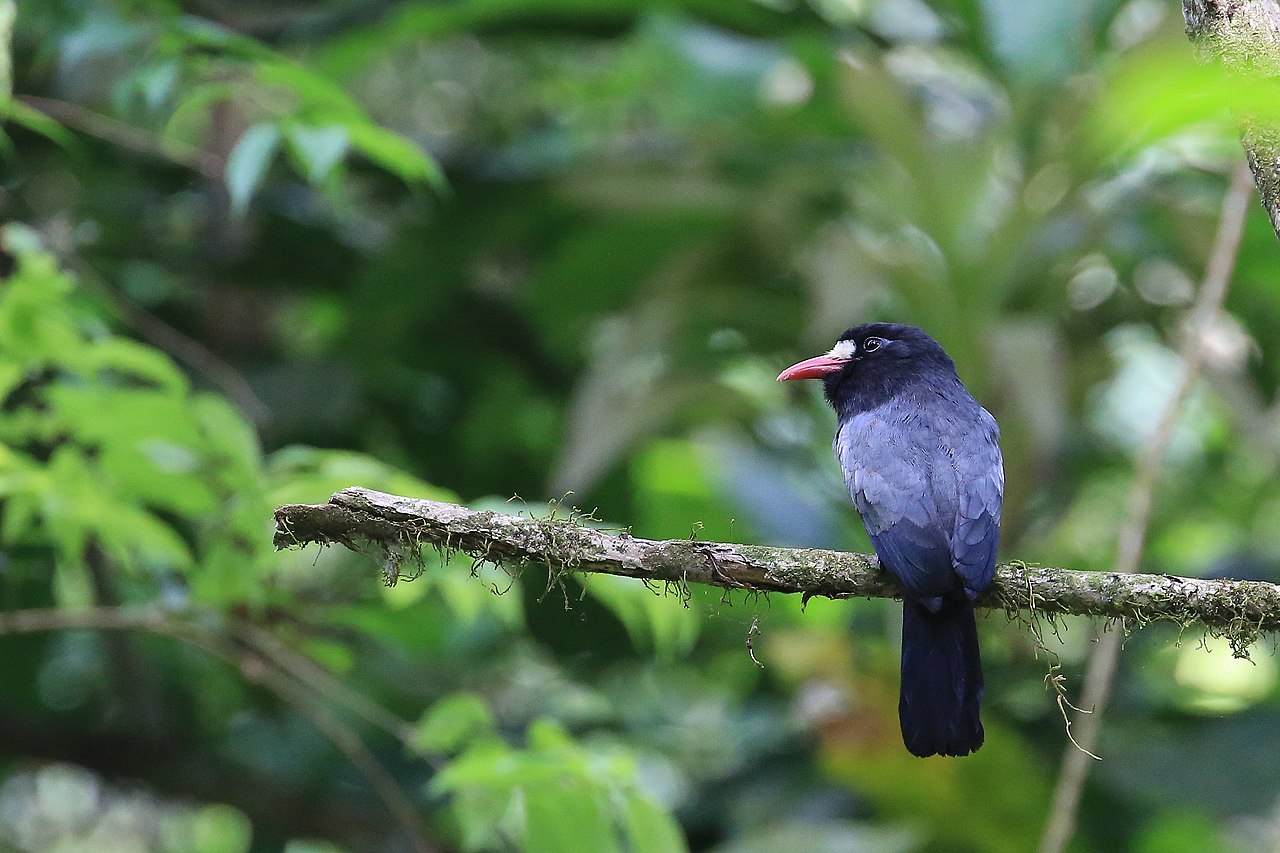
The white-fronted ground dove or Caroline Islands ground dove is a species of bird in the family Columbidae. It is endemic to Micronesia.
Region
Micronesia
Typical Environment
Occurs in the Caroline Islands where it favors dense, moist lowland and hill forests, including secondary growth and forest edges. It also uses thickets, limestone forest, and mangroves, often keeping close to cover. Birds spend much time on the ground, foraging in leaf litter along paths, clearings, and stream margins. Human-modified habitats like plantations may be used if understory cover is retained.
Altitude Range
Sea level to 600 m
Climate Zone
Tropical
Ease of Keeping
Beginner friendly: 1/5
Also called the Caroline Islands ground dove, it is a shy forest-floor pigeon endemic to Micronesia. Formerly placed in the genus Alopecoenas, it is threatened by invasive predators such as rats and cats and by habitat loss. Its secretive habits and low densities make it difficult to survey reliably.

Temperament
shy and terrestrial
Flight Pattern
short rapid wingbeats
Social Behavior
Usually encountered singly or in pairs, keeping to dense understory where it walks and forages quietly. Nests are simple twig platforms placed low in shrubs or small trees. Typically lays two eggs, and both parents share incubation and chick-rearing. Displays and calling are most frequent at dawn and dusk.
Migratory Pattern
Resident
Song Description
A soft, low series of mellow coos, often delivered from a concealed perch within the understory. Calls are subdued and can be difficult to locate, aiding its secretive lifestyle.
Plumage
Overall dusky-brown to dark chocolate upperparts with a slight greenish to purplish sheen on the wings; paler underparts. Distinct clean white forehead and forecrown contrast with darker crown and face. Feathers appear smooth and tight, giving a sleek, compact look.
Diet
Takes small seeds and fallen fruits from the forest floor, including figs and other native berries. Also consumes tender shoots and small invertebrates such as insects and snails, especially when feeding young. Foraging is deliberate, with frequent pauses to scan for danger.
Preferred Environment
Feeds in leaf litter along forest paths, edges, and clearings within dense lowland forest. Will use mangroves and overgrown plantations where understory cover remains.