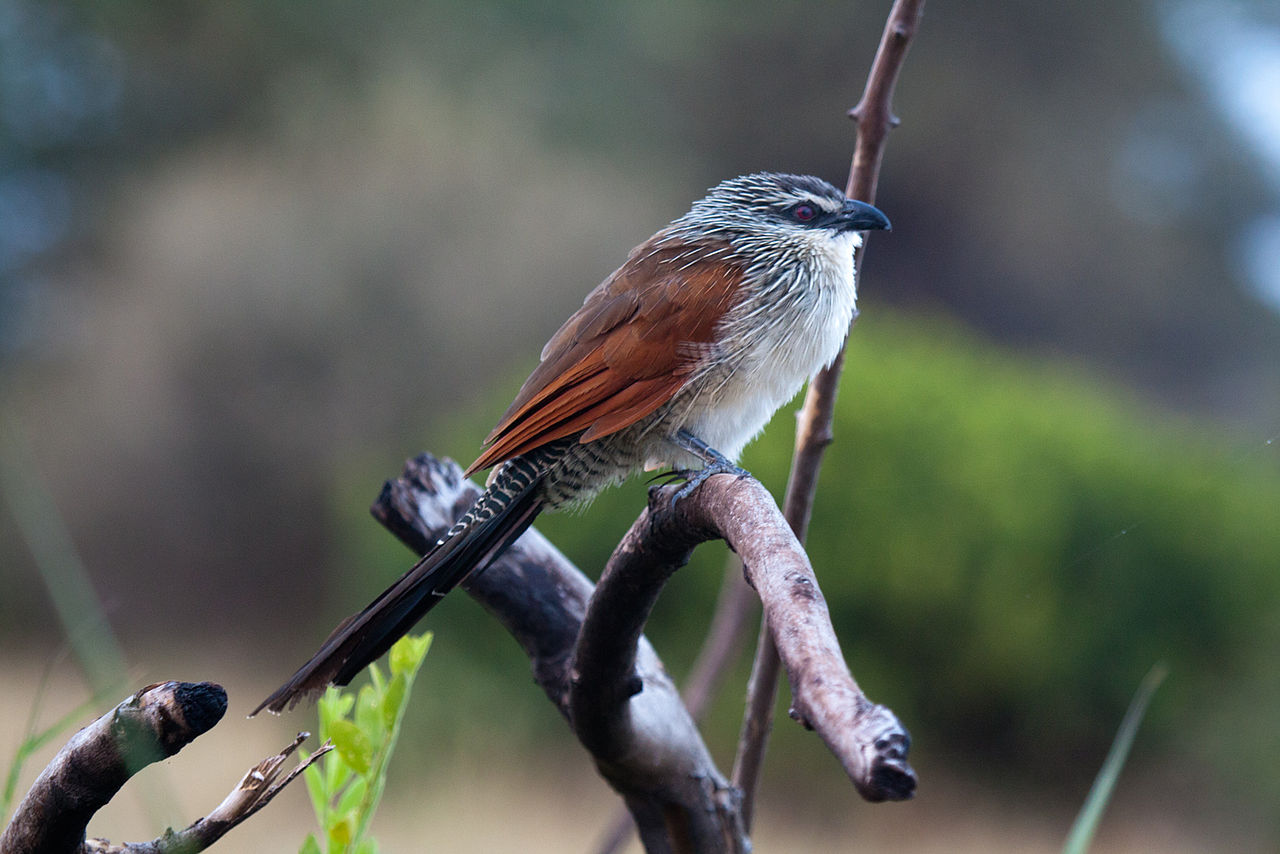
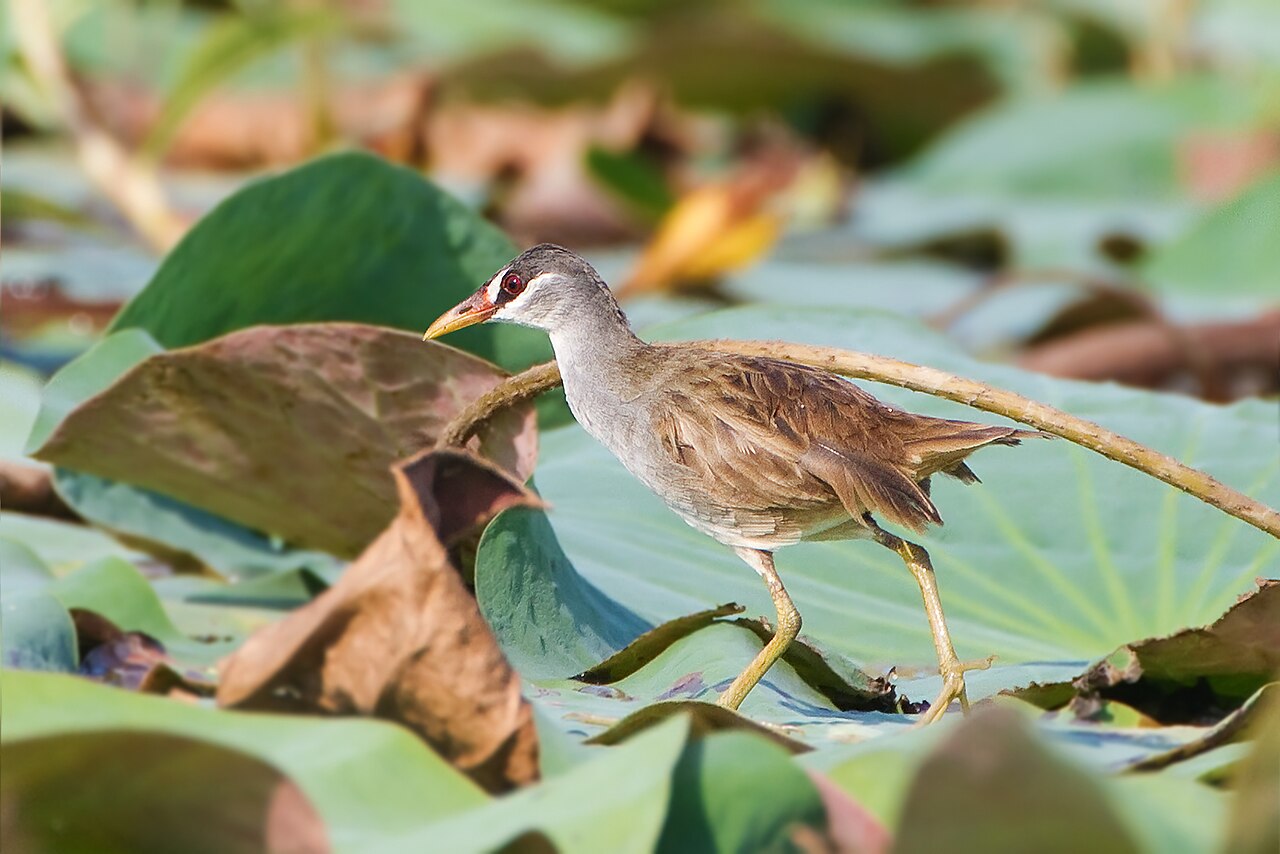
The white-browed conebill is a species of bird in the family Thraupidae. It is found in Bolivia and Peru. Its natural habitat is subtropical or tropical moist montane forests.
Region
Central Andes
Typical Environment
Occurs on humid Andean slopes of southern Peru and western Bolivia, mainly in cloud forest and elfin forest mosaics. It favors forest edges, gaps, and secondary growth where sunlight encourages dense shrub layers. Birds regularly forage in tangles of bamboo and along mossy limbs laden with epiphytes. It tolerates some habitat disturbance but depends on broadly intact montane forest structure.
Altitude Range
1800–3600 m
Climate Zone
Highland
Ease of Keeping
Beginner friendly: 1/5
A small Andean tanager, the white-browed conebill is named for its crisp pale supercilium and distinctive rusty underparts. It often joins mixed-species foraging flocks in cloud forests, moving quickly through foliage in search of tiny arthropods. Its fine conical bill is adapted for precise gleaning among leaves and epiphytes. Despite its limited range in Peru and Bolivia, it remains locally common in suitable habitat.


Temperament
active and wary
Flight Pattern
short rapid wingbeats
Social Behavior
Usually seen in pairs or small family groups that frequently join mixed-species flocks of tanagers and furnariids. Forages by gleaning and brief hover-gleaning in the midstory and canopy. Nests are likely cup-shaped and placed in dense vegetation; both parents are presumed to assist with care as in related conebills.
Migratory Pattern
Resident
Song Description
Song is a thin, high-pitched series of short, tinkling notes and brief trills. Calls are sharp, sibilant tsit or tsee given repeatedly while foraging.
Plumage
Neat, compact tanager with a clean white eyebrow and warm rusty underparts contrasting with darker, grayish-olive upperparts. Plumage appears smooth and close-fitting, with subtle dimorphism; females are duller and less contrasting.
Diet
Primarily consumes small arthropods such as insects and spiders picked from leaves, twigs, and epiphytes. Occasionally takes tiny berries and may sip nectar opportunistically. Foraging is methodical but quick, often in the company of other small insectivores in mixed flocks.
Preferred Environment
Feeds along forest edges, in gaps with dense shrubbery, and within the midstory and canopy of humid montane forests. Frequently uses bamboo thickets and moss-laden branches where prey is abundant.