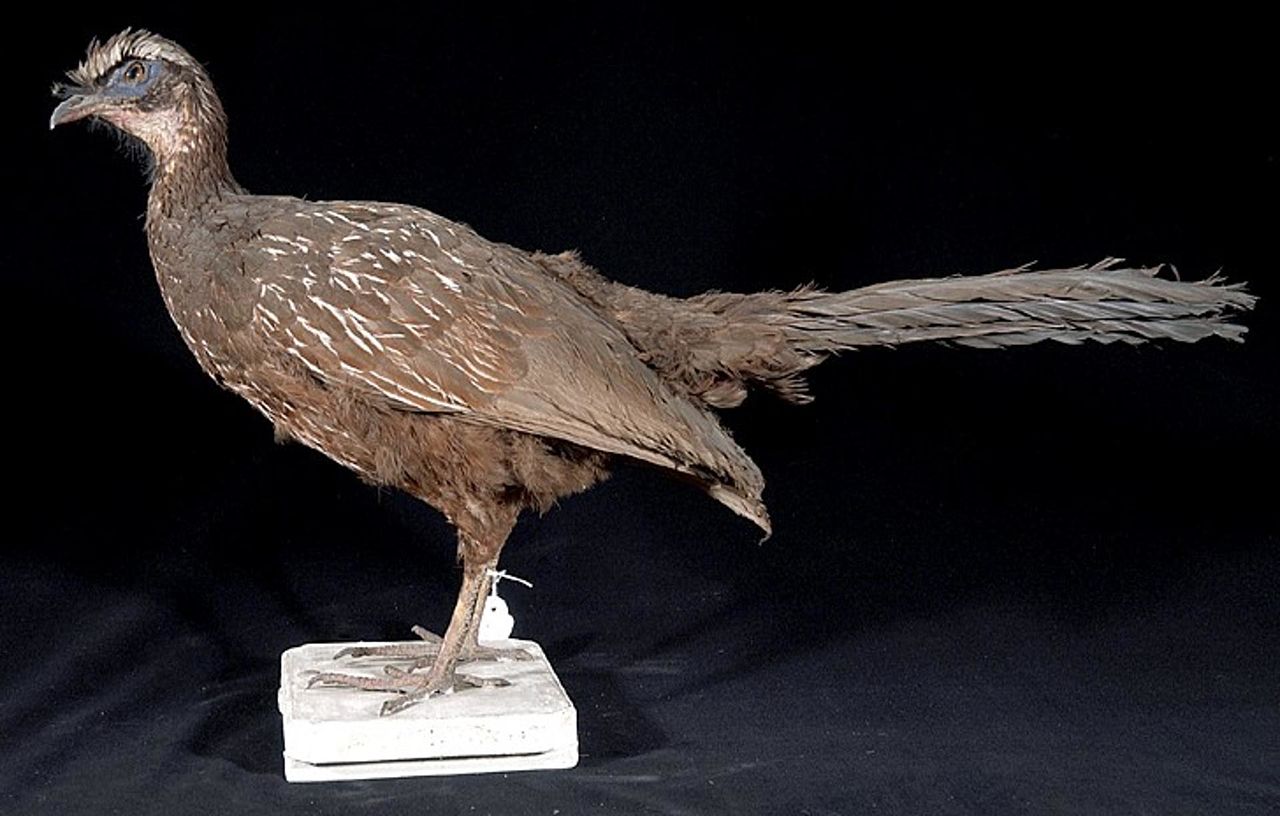
The white-browed forest flycatcher is a species of bird in the family Muscicapidae.
Region
West and Central Africa
Typical Environment
Occurs in the humid Guineo-Congolian forest belt, frequenting dense lowland and riparian forests from West Africa through the Congo Basin. It prefers the shaded understory and forest edges, especially along streams, swamps, and forested river corridors. Birds are most often encountered in mature evergreen forest but also use tall secondary growth and gallery forest. It avoids open habitats and heavily logged areas.
Altitude Range
Sea level to 1500 m
Climate Zone
Tropical
Ease of Keeping
Beginner friendly: 1/5
The white-browed forest flycatcher is a small, shy insect-eater of African lowland forests, recognized by its crisp white eyebrow. It often hunts from low, shaded perches along streams, sallying out to catch insects before returning to the same perch. While sensitive to heavy forest degradation, it can persist in secondary growth near water. Its unobtrusive habits make it more often heard than seen.

Temperament
solitary and skulking
Flight Pattern
short rapid wingbeats with quick sallies from low perches
Social Behavior
Typically found alone or in pairs, keeping to the shaded understory near water. It nests low in dense vegetation, building a small cup nest concealed in tangles or shrubs. Both parents likely share incubation and chick-rearing duties. Occasionally joins mixed-species understory flocks.
Migratory Pattern
Resident
Song Description
Song is a series of thin, high-pitched whistles and soft trills delivered from a concealed perch. Calls include sharp 'tsit' notes and soft contact chips, often given while foraging along streams.
Plumage
Dusky brown to sooty-olive upperparts with paler grayish underparts and a clean, contrasting white supercilium. Subtle pale wing edging or faint bars may be visible in good light. Throat often slightly paler, with a diffuse dusky malar area.
Diet
Feeds mainly on small flying and crawling insects, including flies, beetles, and moths. It hawks prey on short sallies from a low perch, then often returns to the same branch. It also gleans arthropods from leaves and twigs in the understory. Foraging is deliberate and close to cover.
Preferred Environment
Most active along shaded forest streams, swampy thickets, and dense understory edges. It uses perches a meter or two above the ground, often under closed canopy where light is subdued.