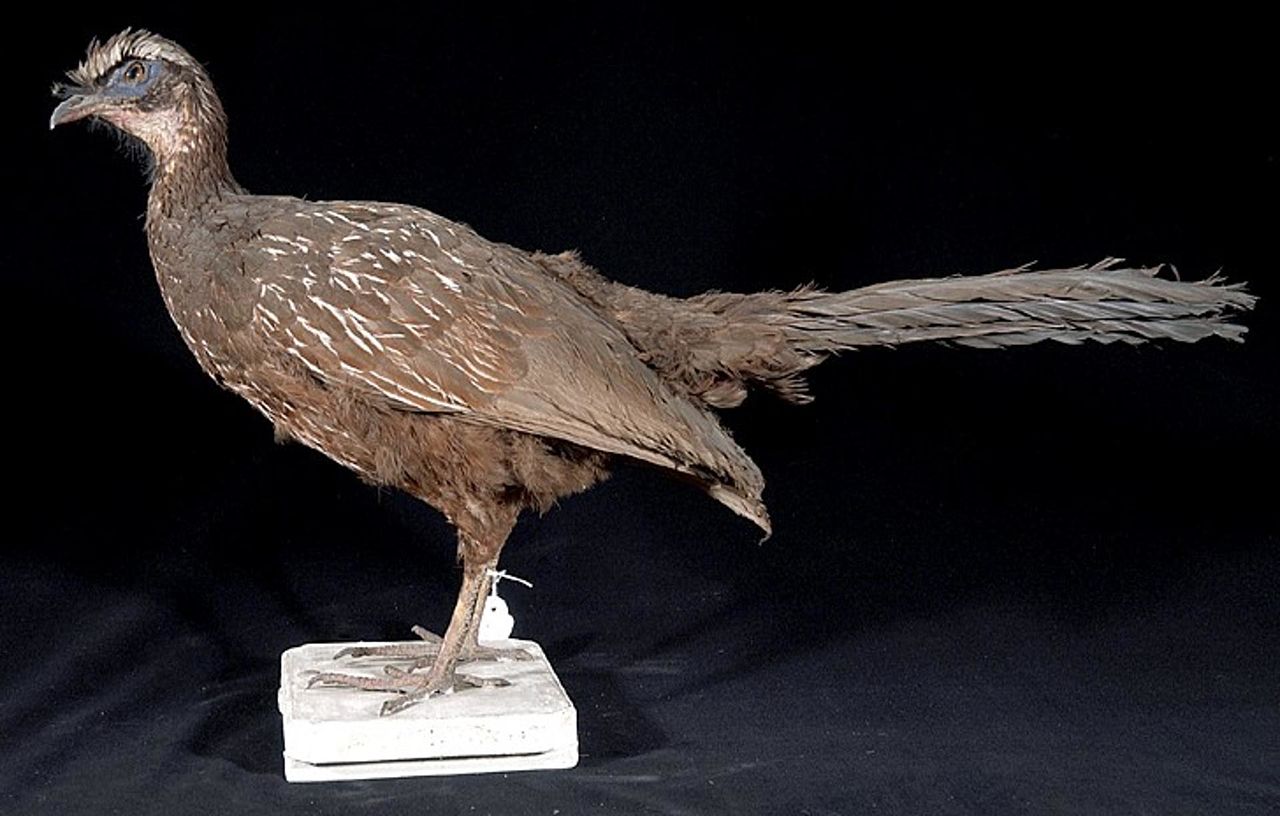
The white-browed gnatcatcher is a species of bird in the gnatcatcher family Polioptilidae. It is native to central and South America.
Region
Central America and northern South America
Typical Environment
Occurs from southern Mexico through Central America into parts of northern South America. It favors lowland and foothill habitats including tropical dry forest, scrub, second-growth edges, riparian corridors, and mangroves. Often found in semi-open woodland mosaics and forest edges where sunlight reaches the understory. Common in disturbed areas and along hedgerows where insect prey is abundant.
Altitude Range
0–1500 m
Climate Zone
Tropical
Ease of Keeping
Beginner friendly: 1/5
A tiny, restless songbird that flits through foliage, the white-browed gnatcatcher constantly flicks and fans its tail to flush prey. Pairs often keep in contact with soft calls and may join mixed-species flocks. They weave delicate cup-shaped nests bound with spider silk, camouflaged with lichen. The bold white eyebrow (supercilium) is a key field mark that inspired its common name.


White-browed gnatcatcher
Temperament
social and active
Flight Pattern
short rapid wingbeats
Social Behavior
Usually seen in pairs or small family groups and frequently joins mixed-species foraging flocks. Pairs maintain territories and build neat cup nests from plant fibers and spider silk placed on slender branches. Both sexes participate in nest building and chick rearing.
Migratory Pattern
Resident
Song Description
Song is a series of thin, high-pitched twitters and trills delivered rapidly. Calls include sharp, sibilant tsips and soft scolding notes used to keep contact while foraging.
Plumage
Slender, gray to bluish-gray upperparts with whitish underparts and a long, graduated tail with contrasting white outer feathers. A clean white supercilium is evident, especially against the darker crown and ear coverts. Fine, sleek feathers give a smooth appearance, with subtle contrast between mantle and wings.
Diet
Feeds primarily on small insects and other arthropods, including ants, beetles, caterpillars, and spiders. It gleans prey from leaves and twigs, often hovering briefly to pick items from foliage. Tail-flicking and wing-flicking are used to flush hidden insects. Occasionally sallies to catch tiny flying insects.
Preferred Environment
Forages in the outer foliage of shrubs, saplings, and mid-story trees along forest edges, riparian thickets, and secondary growth. Also uses mangroves and open woodland patches where prey is concentrated on sunlit leaves.