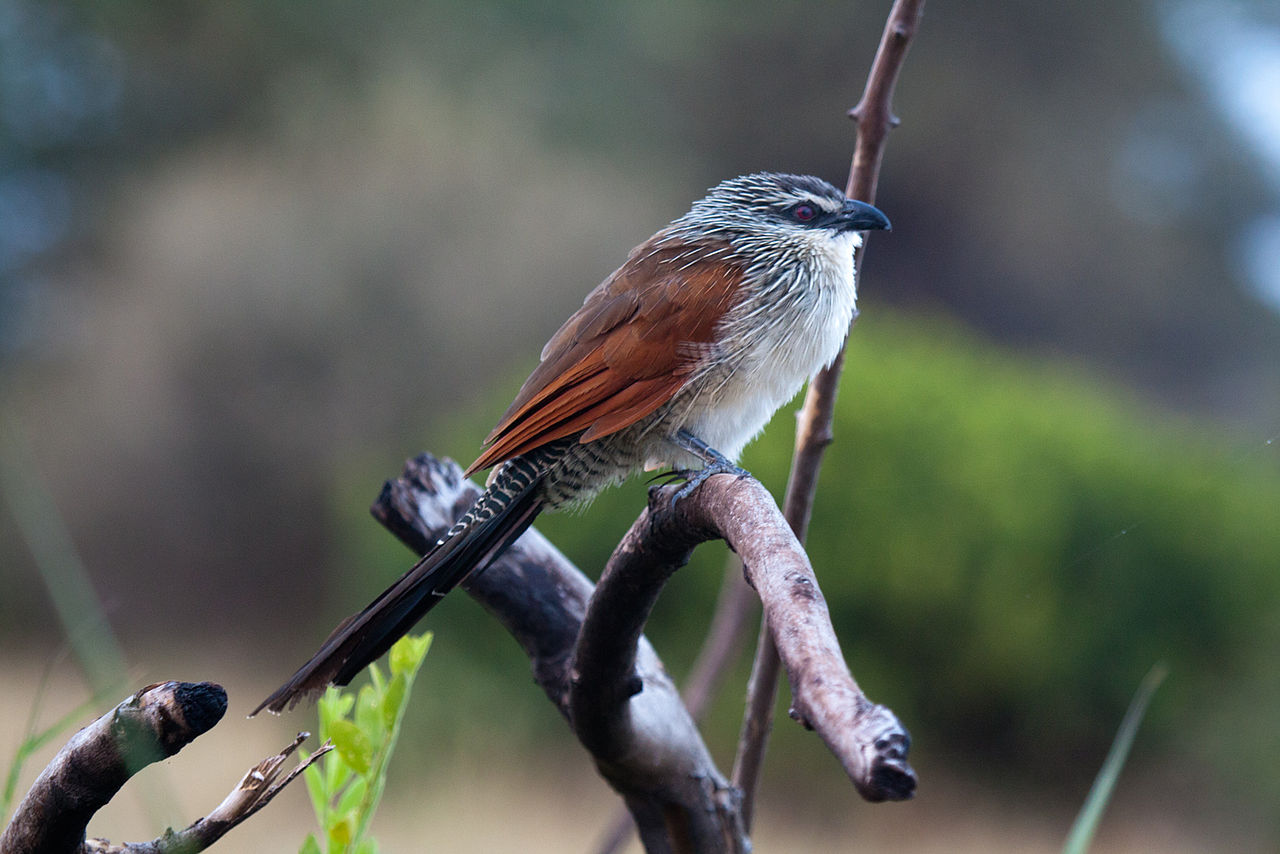
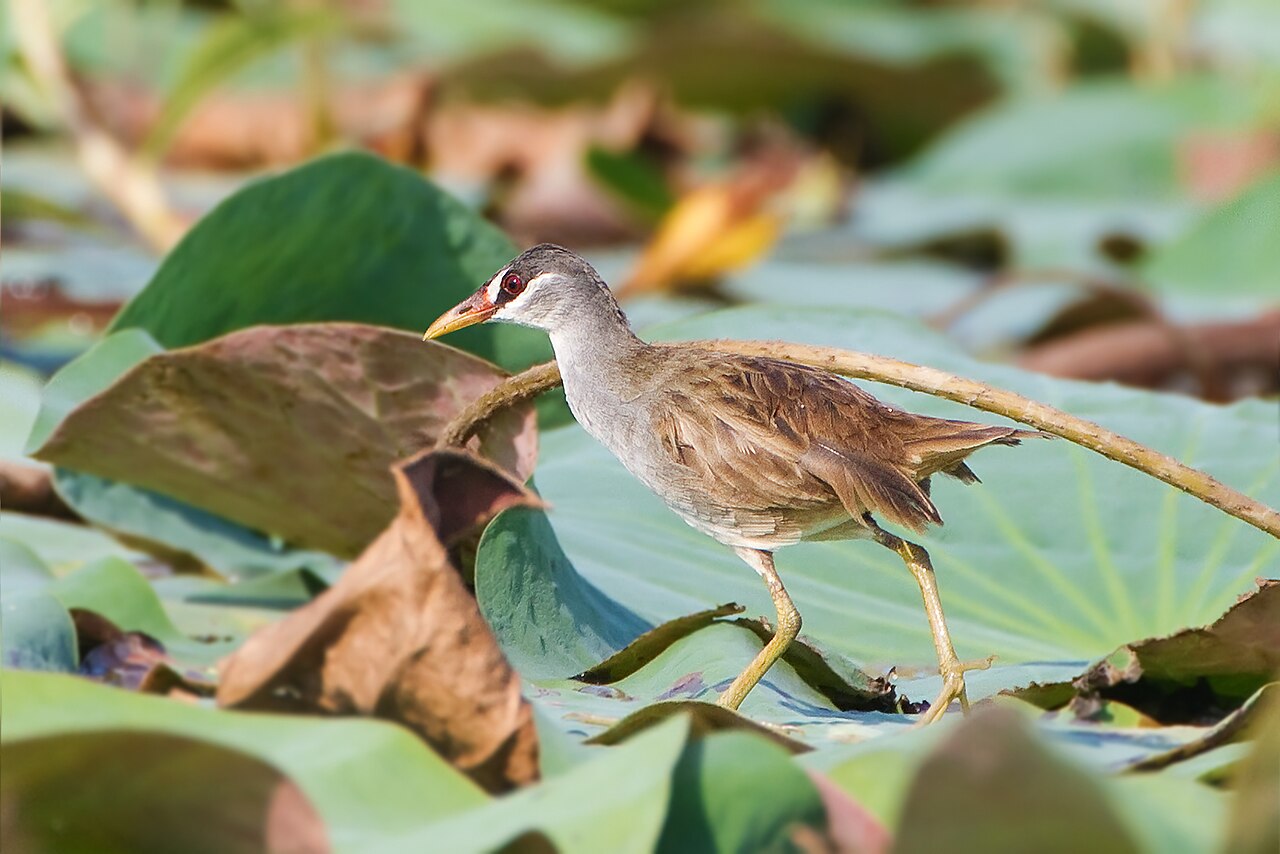
The white-browed chat-tyrant is a species of bird in the family Tyrannidae, the tyrant flycatchers. It is found in Argentina, Bolivia, Chile, Ecuador, and Peru.
Region
Andes Mountains
Typical Environment
Occurs along the Andes from northern Ecuador through Peru and Bolivia to northern Chile and northwestern Argentina. Prefers open montane habitats including scrub, forest edges, ravines, and agricultural mosaics with scattered bushes and rocks. It readily uses human-altered environments, such as roadsides, pastures, and village outskirts. Often seen perched conspicuously and moving between low shrubs, boulders, and fences.
Altitude Range
1500–4200 m
Climate Zone
Highland
Ease of Keeping
Beginner friendly: 1/5
A conspicuous Andean flycatcher, the white-browed chat-tyrant often perches on fence posts and rocks, sallying out to snatch insects before returning to its lookout. Its bold white eyebrow (supercilium) makes it easy to identify even at a distance. It adapts well to human-modified landscapes, frequently occurring along roadsides, pastures, and village edges. Nests are commonly placed in earthen banks, rock crevices, or building nooks.


At Machu Picchu, Peru

Temperament
solitary and territorial
Flight Pattern
short rapid wingbeats with frequent perch-and-sally flights
Social Behavior
Usually seen alone or in pairs, defending feeding territories and prominent perches. Pairs nest in cavities or ledges such as rock crevices, banks, or human structures; the nest is a cup of plant fibers and moss. Both parents attend the young and deliver insects frequently.
Migratory Pattern
Partial migrant
Song Description
Song is a series of thin, clear whistles and short trills delivered from exposed perches. Calls include sharp tsip or tchik notes and scolding chatters when agitated.
Plumage
Gray-brown upperparts with paler underparts lightly washed buff on the breast and flanks; rufous tail and wing edgings. A bold white supercilium contrasts with darker lores and ear-coverts, giving a masked look. Wings show subtle pale edging and the tail often flashes rufous in flight.
Diet
Primarily hunts flying and ground-dwelling insects such as flies, beetles, and caterpillars, caught by sallying from exposed perches. It also gleans prey from foliage and the ground around rocks and shrubs. Occasional small arthropods are taken opportunistically; fruit is rarely, if ever, a significant component.
Preferred Environment
Forages along open scrub, hedgerows, rocky slopes, and the edges of montane woodlands and pastures. Frequently works along roadsides, stone walls, and near rural buildings where perches and insect activity are abundant.