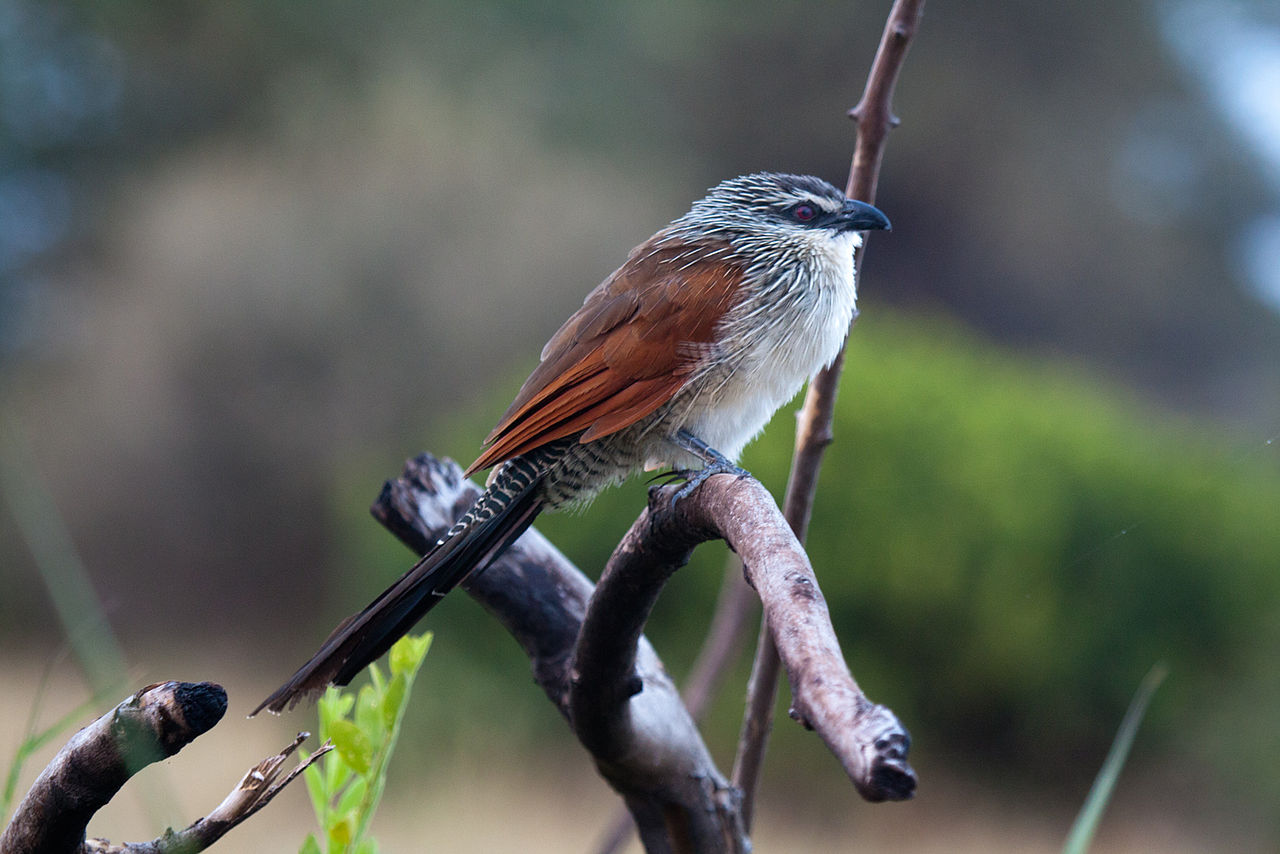
The white-browed brushfinch is a species of bird in the family Passerellidae. It lives in northwestern Argentina, Bolivia, and southern Peru. It is generally common in forest and dense second growth, mainly at altitudes of 2,000 to 3,000 metres, but locally it occurs at far lower altitudes. It previously was considered the nominate subspecies of the stripe-headed brushfinch.
Region
Andes Mountains
Typical Environment
Occurs in the southern tropical Andes of southern Peru, Bolivia, and northwestern Argentina, where it occupies humid montane forest, cloud forest edges, and dense second growth. It favors thickets, bamboo (Chusquea) understory, forested ravines, and overgrown clearings. Often near forest edges, along trails, and in regenerating habitats with abundant leaf litter. It is generally common where suitable understory exists and tolerates moderately disturbed habitats.
Altitude Range
600–3200 m
Climate Zone
Highland
Ease of Keeping
Beginner friendly: 2/5
A skulking brushfinch of the Andean foothills and montane forests, the white-browed brushfinch is often heard before it is seen, delivering clear whistled phrases from dense cover. It forages on or near the ground, flicking leaf litter in pairs or small family groups. Taxonomically, it was long treated within the Stripe-headed Brushfinch complex, but southern Andean populations are now recognized as White-browed Brushfinch. Its bold white eyebrow and malar stripes contrasting with a dark head are key field marks.


Temperament
shy and skulking
Flight Pattern
short rapid wingbeats, usually low and brief between dense cover
Social Behavior
Typically seen in pairs or small family groups, maintaining territories year-round. Nests are well-concealed cup structures placed low in dense vegetation. Likely monogamous, with both sexes participating in nesting duties. Often remains close to the ground and moves methodically through understory tangles.
Migratory Pattern
Resident
Song Description
Song is a series of clear, whistled phrases and piping notes, often delivered from hidden perches; pairs may duet. Calls include sharp chips and thin seep notes used to maintain contact in dense cover.
Plumage
Olive-green upperparts with grayish to olive tones and paler underparts; throat whitish grading to gray or buff on the breast and flanks. Head largely black with crisp contrasting facial pattern.
Diet
Feeds on small invertebrates such as insects and spiders gleaned from leaf litter and low foliage. Also takes seeds and small berries, especially outside the peak insect season. Foraging is deliberate, with frequent leaf-flicking and probing among twigs and ground debris.
Preferred Environment
Most often forages on or just above the forest floor in dense understory, along edges, and in second growth. Uses bamboo and thick tangles that provide both cover and foraging substrate.