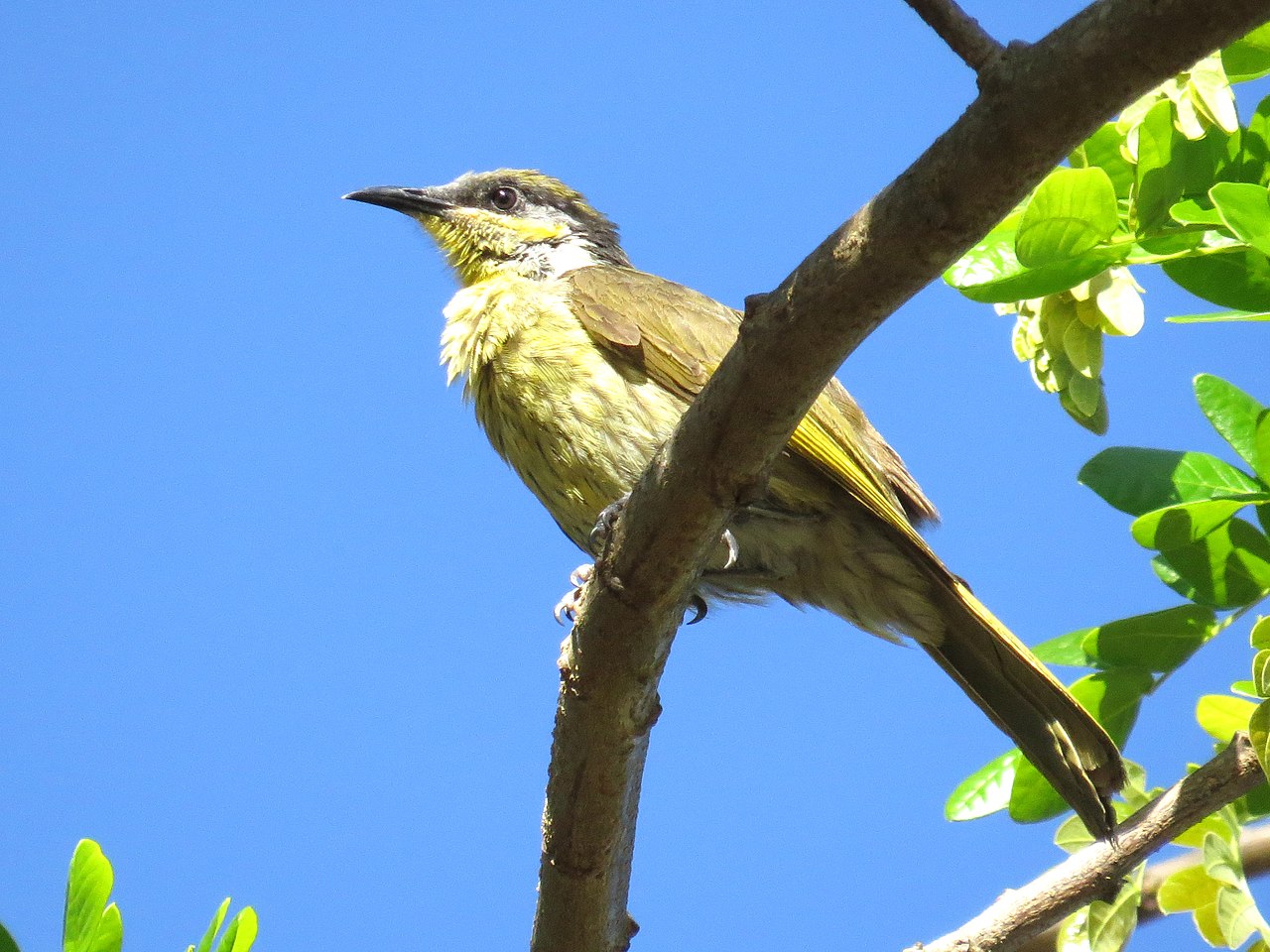
The waved woodpecker or variable woodpecker is a species of bird in subfamily Picinae of the woodpecker family Picidae. It is found in Bolivia, Brazil, Colombia, Ecuador, French Guiana, Guyana, Peru, Suriname, and Venezuela.
Region
Amazon Basin and the Guianas
Typical Environment
Occurs widely across lowland tropical forests of northern South America, including the Guianas, much of Amazonian Brazil, southern Venezuela, eastern Colombia, eastern Ecuador, eastern Peru, northern Bolivia, and adjacent areas. It inhabits terra firme and seasonally flooded (várzea) rainforests, mature secondary growth, and forest edges. Often found along rivers, in palm-rich stands, and in areas with abundant deadwood for foraging and nesting. Uses midstory to canopy levels more than the ground. Tolerates moderately disturbed habitats if large trees remain.
Altitude Range
0–1200 m
Climate Zone
Tropical
Ease of Keeping
Beginner friendly: 1/5
Also known as the variable woodpecker, this species is a medium-sized Celeus woodpecker recognized by its finely 'waved' barring. It forages methodically on trunks and large branches, often prying into rotten wood for ants and termites. Nests are excavated in dead trees or stubs, where pairs share incubation and chick-rearing. Its soft drumming and sharp calls travel surprisingly far in dense rainforest.


Temperament
quiet and unobtrusive, usually in pairs
Flight Pattern
undulating with short, stiff wingbeats
Social Behavior
Most often seen singly or in pairs, occasionally joining mixed-species flocks in the canopy. Territorial drumming is relatively soft compared to larger woodpeckers. Both sexes excavate nest cavities and share incubation and feeding of nestlings. Breeding territories are defended with displays and calls rather than prolonged chases.
Migratory Pattern
Resident
Song Description
Gives sharp kip or keck notes, sometimes in short series, interspersed with a brief, soft drumroll. Vocalizations carry through the forest but are less explosive than those of larger Picids.
Plumage
Buff to cinnamon plumage densely barred with narrow dark 'wavy' lines, giving a rippled appearance; shaggy crest and pale face. Upperparts and underparts show extensive fine barring; tail darker and less patterned. Males typically show a small red malar patch; females lack or reduce this mark.
Diet
Primarily consumes ants, termites, and wood-boring beetle larvae extracted from decaying wood and dead limbs. Probes and pries rather than heavy chiseling, exploiting soft or rotten substrates. Will also take small fruits and berries seasonally, especially from palms, supplementing its insect diet.
Preferred Environment
Forages on midstory and canopy trunks, large branches, and broken snags. Frequently uses fallen logs and stubs along river margins and in secondary growth where deadwood is abundant.