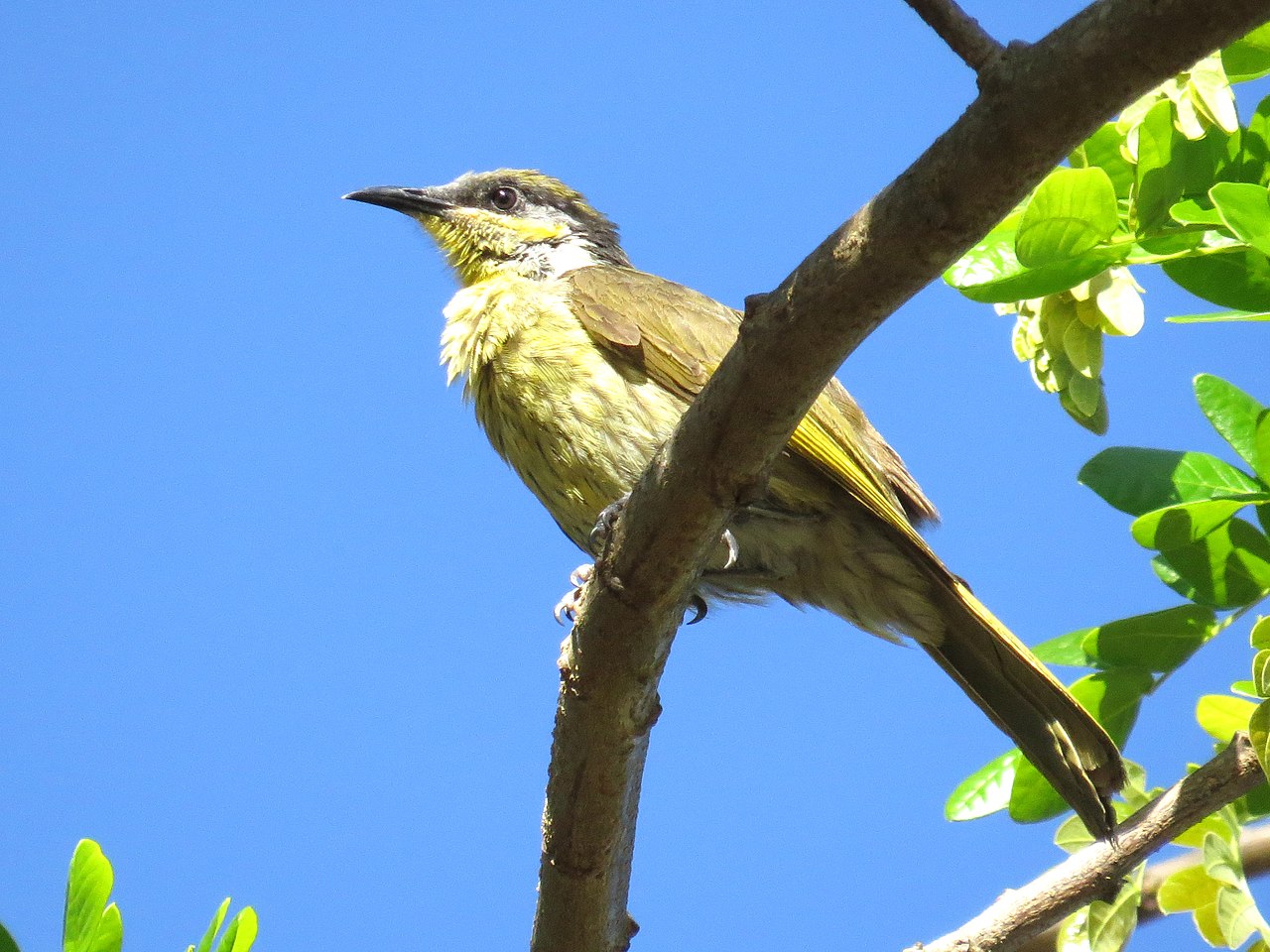
The varied bunting is a species of songbird in the cardinal family, Cardinalidae.
Region
Southwestern United States and northern–central Mexico
Typical Environment
Found locally from southern Arizona, New Mexico, and Texas south through much of northern and western Mexico. Prefers arid to semi-arid habitats with thorny shrubs such as mesquite, acacia, and cactus, often near canyons, arroyos, or riparian thickets. It keeps close to dense cover, using low shrubs for foraging and song perches. In winter it is mostly in Mexico, where it occupies similar scrub and edge habitats. Occurs patchily where suitable brushy habitat persists.
Altitude Range
0–1800 m
Climate Zone
Arid
Ease of Keeping
Beginner friendly: 1/5
The varied bunting is a small songbird of arid thorn-scrub, noted for the male’s mosaic of purple, red, blue, and orange hues. It often stays low in dense brush, making it easier to hear than to see. Insects feature more in its diet during breeding season, while seeds and small fruits dominate at other times. U.S. populations largely withdraw to Mexico in winter.


Passerina versicolor
Temperament
solitary and secretive
Flight Pattern
short rapid wingbeats
Social Behavior
Typically seen singly or in pairs, especially during the breeding season. Nests are placed low in dense, thorny shrubs; the female incubates while the male often helps feed nestlings. Pairs can be territorial, with the male singing from semi-concealed perches. Outside breeding, it may join loose mixed flocks in brushy areas.
Migratory Pattern
Partial migrant
Song Description
A sweet, hurried warble of clear, thin notes delivered from a low, concealed perch. Calls include soft chips and tss notes that blend into background scrub sounds. The song can be surprisingly quiet for a cardinalid, requiring close listening.
Plumage
Male shows a patchwork of velvety purples with crimson on the crown, orange to rufous nape, and bluish highlights on face and shoulders; feathers look rich and saturated. Female is uniformly brownish-gray with a slightly warmer tone above and paler underparts, lacking wing bars and strong contrasts.
Diet
Eats small seeds of grasses and forbs, along with berries and other soft fruits when available. During the breeding season, it supplements with insects such as beetles, caterpillars, and other arthropods to meet protein demands. Foraging is typically deliberate and low, gleaning from shrubs and the ground. Seasonal resource shifts lead to more fruit in late summer and more seeds in dry periods.
Preferred Environment
Feeds within dense thorn-scrub, mesquite and acacia thickets, and along brushy washes and riparian edges. It favors areas with a mix of low cover and open patches for ground gleaning.