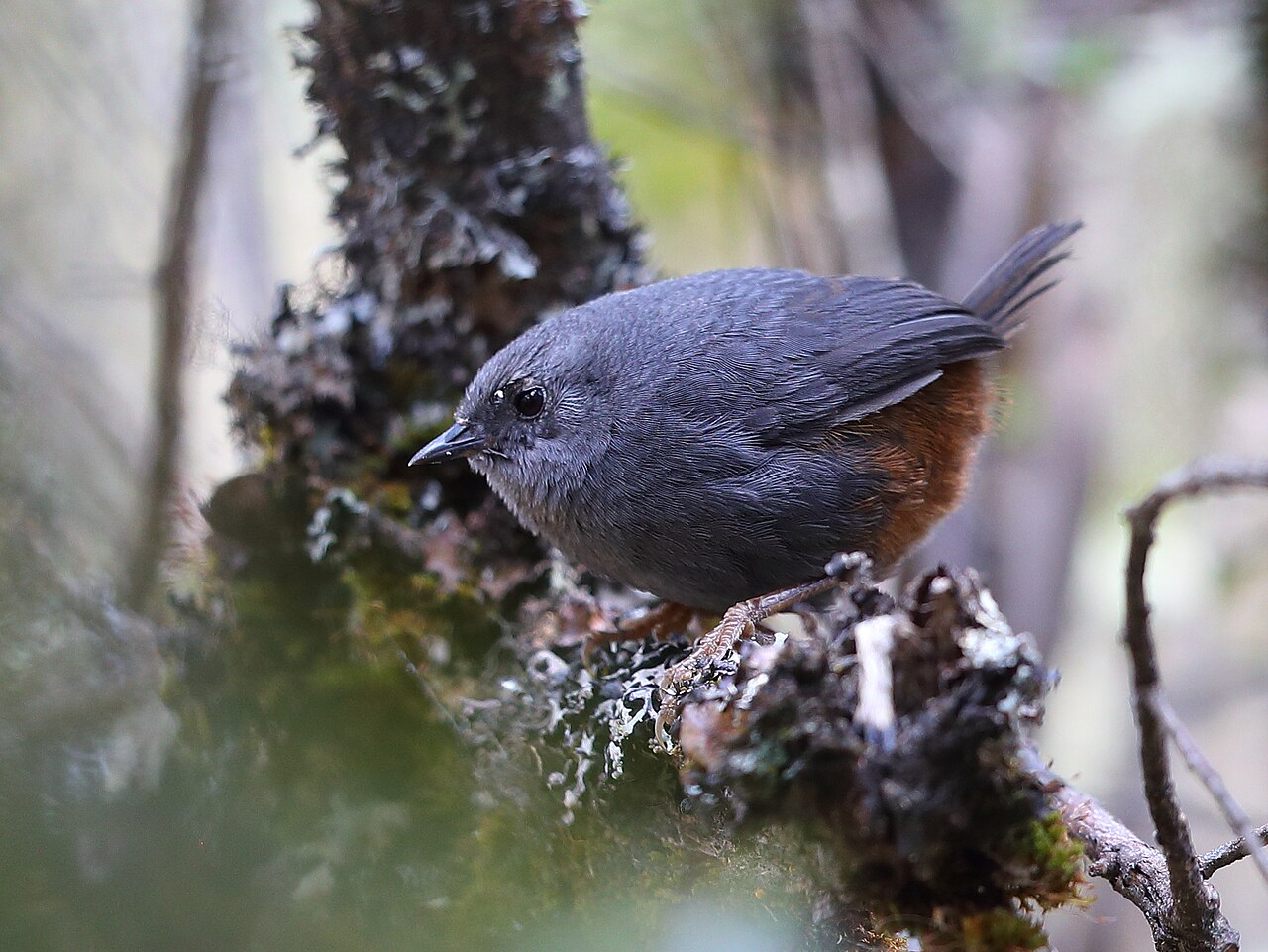
Vieillot's black weaver is a species of bird in the family Ploceidae. It is found in southern Nigeria to Uganda, west Kenya, Angola and the Democratic Republic of the Congo. The common name is after the French ornithologist Louis Pierre Vieillot.
Region
West and Central Africa
Typical Environment
Occurs from southern Nigeria across the Congo Basin to Uganda and western Kenya, and south to Angola and the Democratic Republic of the Congo. Prefers lowland tropical forest edges, riverine woodland, mangroves, and papyrus swamps. Often found in plantations, gardens, and village edges where palms and tall grasses are available. Frequently nests over water to reduce predation and uses nearby shrubs and trees for foraging.
Altitude Range
0–2000 m
Climate Zone
Tropical
Ease of Keeping
Beginner friendly: 3/5
Named after the French ornithologist Louis Pierre Vieillot, this weaver forms noisy colonies that hang intricately woven nests from palm fronds and reeds, often over water. Males are strikingly all-black with bright yellow eyes, while females are browner and streaked for camouflage. They readily exploit forest edges and plantations and can adapt well to human-modified landscapes.


Vieillot's black weaver starting a nest at Kibale Forest National Park, Uganda
Temperament
social and active
Flight Pattern
short rapid wingbeats
Social Behavior
Highly colonial; males weave pendent nests from strips of grass and palm, often suspended over water. Polygynous breeding is common, with males displaying near the nest to attract females. Nests are defended vigorously against intruders and predators.
Migratory Pattern
Resident
Song Description
A loud, chattering series of buzzes, twitters, and metallic notes, especially intense around colonies. Calls are repetitive and communal, creating a constant background chorus during the breeding season.
Plumage
Male glossy black overall; female olive-brown above with paler, lightly streaked underparts and a more subdued appearance.
Diet
Takes seeds and grains from grasses and cultivated crops, and supplements with insects such as beetles, caterpillars, and termites. Will also consume small fruits and flower parts when available. Forages by gleaning from foliage, probing seed heads, and occasionally hawking short distances for flying insects.
Preferred Environment
Feeds along forest edges, in secondary growth, and within plantations and village gardens. Often forages in mixed-species groups or small flocks near nesting colonies, especially around water and palms.