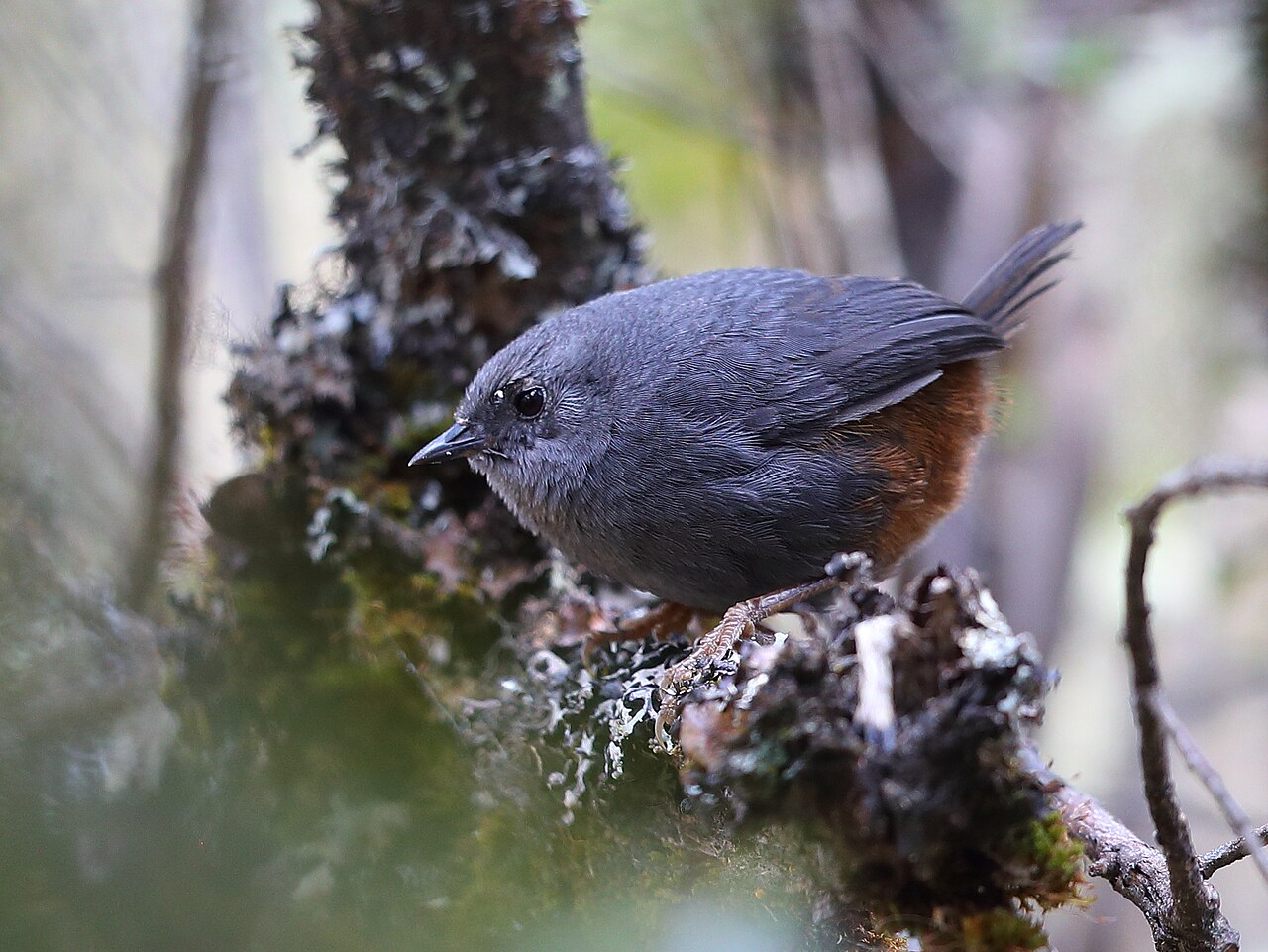
The Vietnamese greenfinch is a small passerine bird in the family Fringillidae. It is found only in Đà Lạt Plateau of southern Vietnam. Its natural habitat is open montane pine forest and scrubland. It is threatened by habitat loss.
Region
Southeast Asia
Typical Environment
Occurs only on the Đà Lạt Plateau of southern Vietnam. It inhabits open montane pine forest, forest edges, secondary scrub, and clearings, especially where Pinus kesiya is present. The species also uses shrubby gullies, roadsides, and lightly wooded agricultural margins. It prefers mosaic habitats with scattered trees and open ground for foraging. Breeding territories are typically established in patches of pine interspersed with dense undergrowth.
Altitude Range
1000–2300 m
Climate Zone
Highland
Ease of Keeping
Beginner friendly: 1/5
The Vietnamese greenfinch is confined to the Đà Lạt Plateau of southern Vietnam, where it favors open pine forests and scrubby clearings. It often associates with Pinus kesiya, feeding on seeds and foraging along forest edges and roadsides. Males show bright yellow flashes in the wings and tail during display flights. Ongoing habitat loss and fragmentation pose the main threats to this localized species.

Temperament
social and active
Flight Pattern
undulating flight with short rapid wingbeats
Social Behavior
Outside the breeding season it forms small, loose flocks that forage together in open pine habitat. During breeding, pairs are territorial and nest in trees or dense shrubs, building a compact cup of plant fibers. Both parents tend the young, and family groups may remain together briefly after fledging.
Migratory Pattern
Resident
Song Description
The song is a series of thin trills and twitters with buzzy notes, delivered from a treetop or during short display flights. Calls include a nasal, clipped 'dzwee' and soft chattering contact notes.
Plumage
Olive-green overall with brighter yellow patches in the wings and tail; underparts duller olive with subtle gray tones. The head can appear duskier or gray-olive, with a contrasting pale, stout conical bill. Feathers are smooth with a semi-glossy sheen on the wings.
Diet
Primarily consumes seeds of pines, grasses, and various herbs, often extracting seeds from cones and seed heads. It also takes buds and soft plant material, especially in the dry season. Small insects and other invertebrates are eaten opportunistically and fed to nestlings during the breeding period.
Preferred Environment
Forages on the ground, on low shrubs, and in pine canopies, focusing on edges, clearings, and lightly disturbed sites. It frequently uses roadsides and scrubby patches where seed-bearing plants are abundant.