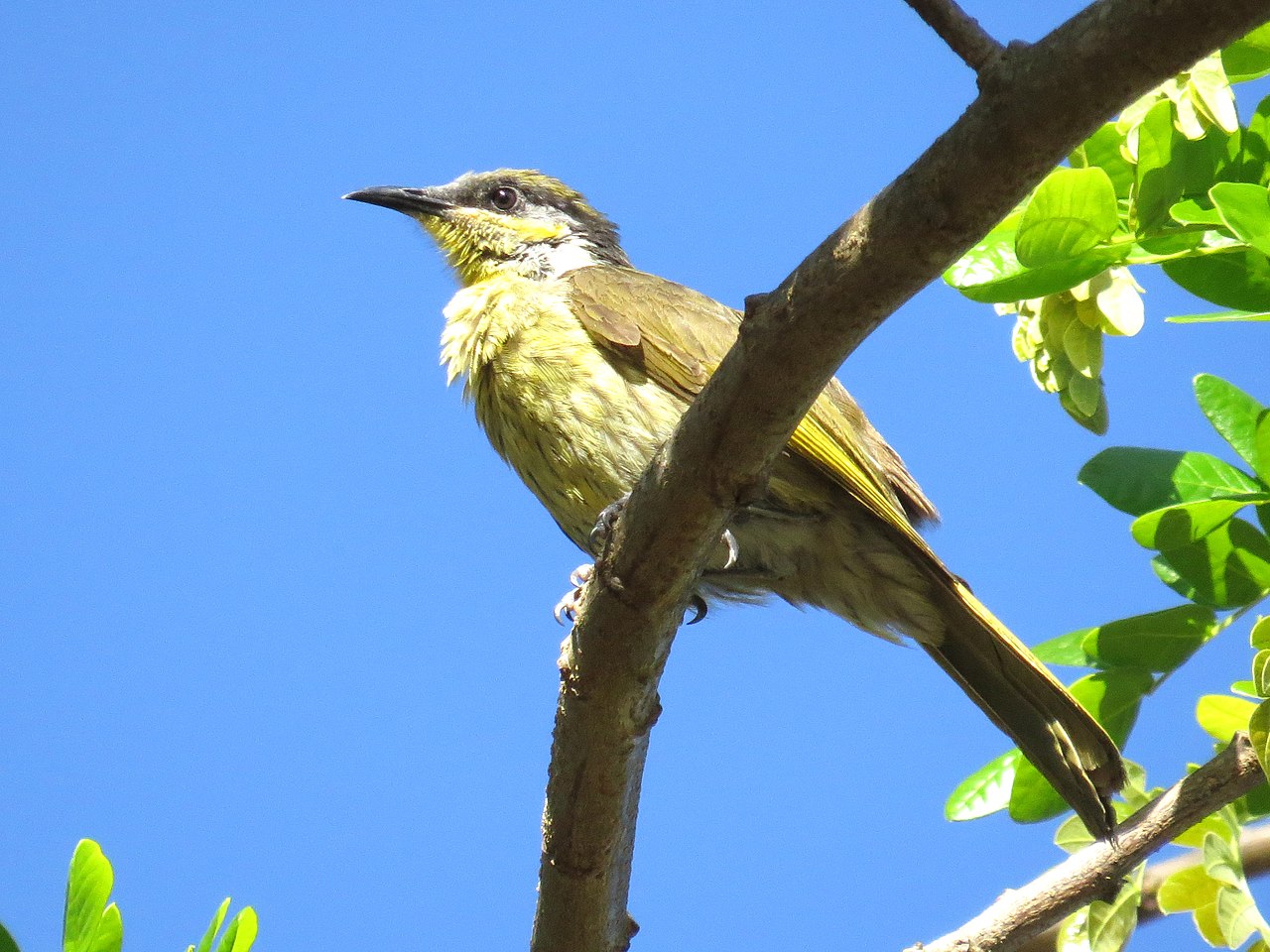
The variable wheatear is a species of bird in the family Muscicapidae. It is found in Afghanistan, Egypt, India, Iran, Kazakhstan, Lebanon, Nepal, Oman, Pakistan, Russia, Tajikistan, Turkmenistan, the United Arab Emirates, and Uzbekistan.
Region
South-Central Asia and the Middle East
Typical Environment
Occurs from the Iranian Plateau and Afghanistan through Pakistan into northwestern India, with records extending into Central Asia and parts of the Arabian Peninsula. It frequents stony semi-deserts, dry riverbeds, rocky escarpments, and sparsely vegetated foothills. The species also uses human-altered sites such as ruins, field margins, and roadside embankments when suitable perches and cover are present. In winter it disperses to lower, warmer, and often drier habitats.
Altitude Range
0–3200 m
Climate Zone
Arid
Ease of Keeping
Beginner friendly: 1/5
The variable wheatear earns its name from its strikingly variable plumage, occurring in several morphs that range from mostly black-and-white to browner forms. It favors rocky deserts, scrub, and dry hillsides, often perching on boulders and flicking its tail to reveal a bold black terminal band. Like other wheatears, it nests in crevices, walls, or burrows and feeds mainly on ground-dwelling insects.


Variable wheatear trying to catch an insect in mid air in Shivapuri Nagarjun National Park, Nepal.

O. p. opistholeuca
Temperament
alert and territorial
Flight Pattern
short rapid wingbeats
Social Behavior
Usually seen singly or in pairs during the breeding season, holding open rocky territories. Nests are placed in crevices, stone walls, rodent burrows, or holes, lined with plant fibers and hair. Clutches typically contain 4–6 eggs, and both parents feed the young.
Migratory Pattern
Partial migrant
Song Description
Song is a varied, scratchy warble with clear whistles and trills delivered from a perch or short display flight. Calls include a sharp tchack and dry rattles, often given while tail-flicking.
Plumage
Variable; males commonly show contrasting black upperparts with white rump and tail, while other morphs are browner with pale underparts. Females are generally duller brown with the same wheatear-style white rump and black tail band. All morphs show clean, crisp patterns when fresh, with a characteristic wheatear tail pattern.
Diet
Primarily consumes ground-dwelling insects such as beetles, ants, termites, grasshoppers, and caterpillars, as well as spiders and other small arthropods. It occasionally takes small berries when insects are scarce. Prey is captured by ground gleaning, short runs, and sallying from low perches.
Preferred Environment
Forages on open, stony ground, among scattered shrubs, and around rocks and low walls. Frequently hunts from prominent perches, dropping to the ground to seize prey before returning to a lookout.