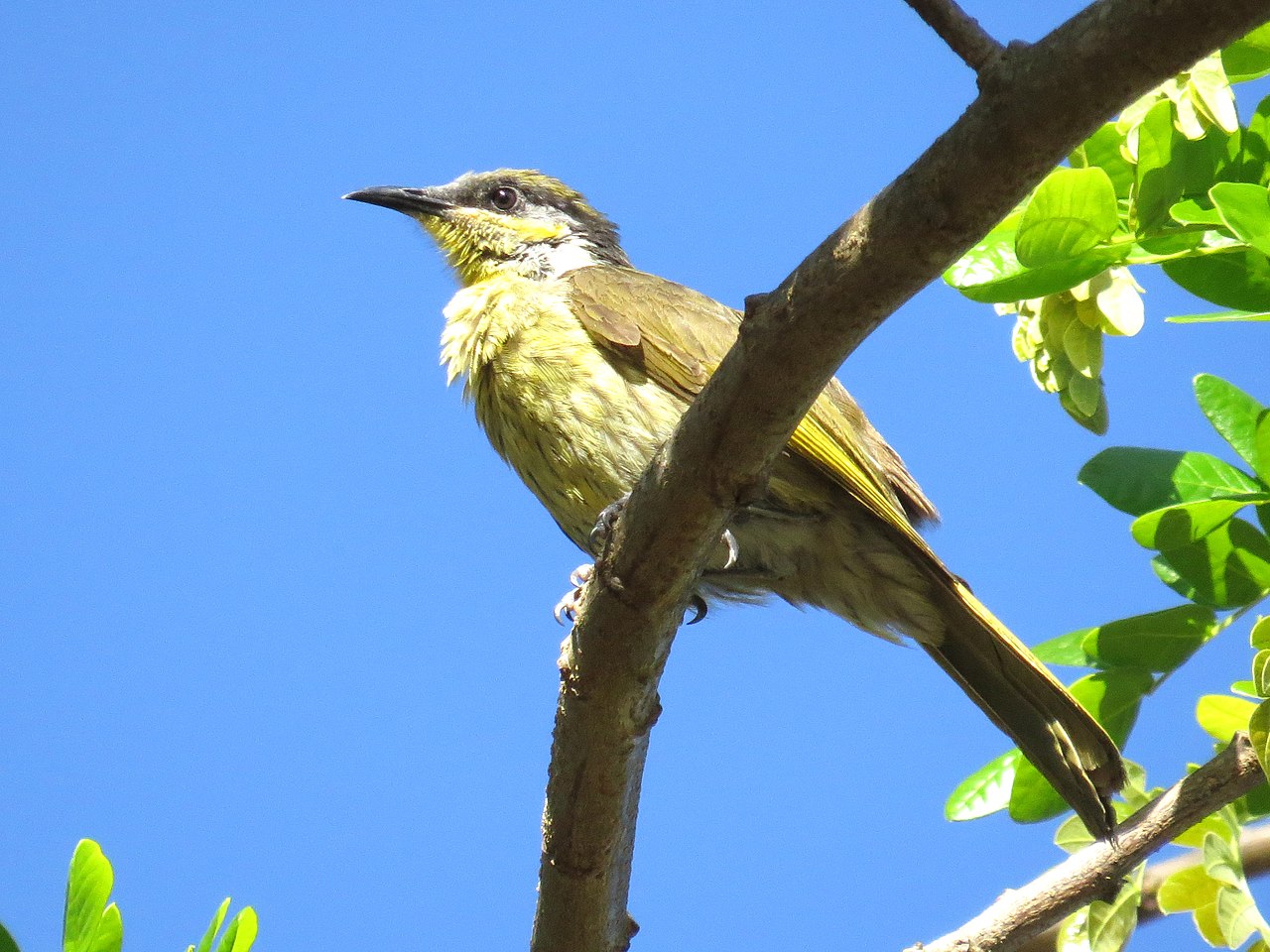
The variable sunbird or yellow-bellied sunbird, formerly Nectarinia venusta, is a sunbird. The sunbirds are a group of small Old World passerine birds which feed largely on nectar, although they will also take insects, especially when feeding young. Flight is fast and direct on their short wings. Most species can take nectar by hovering like a hummingbird, but usually perch to feed most of the time.
Region
East and Central Africa
Typical Environment
Widespread across eastern and central sub-Saharan Africa, from Eritrea and Ethiopia south through Somalia, Kenya, Uganda, and Tanzania, and west into eastern Democratic Republic of the Congo, Rwanda, and Burundi. It also occurs locally farther south into northern Zambia and Mozambique. The species frequents woodland edges, savanna with acacias, thickets, gardens, and plantations. It adapts well to human-modified habitats with abundant flowering plants. It is generally common wherever nectar sources are available.
Altitude Range
Sea level to 2500 m
Climate Zone
Tropical
Ease of Keeping
Beginner friendly: 1/5
Also called the yellow-bellied sunbird, males show striking iridescent colors that vary across subspecies—hence the name 'variable.' It feeds mainly on nectar but also takes small insects, especially when raising chicks, and is an important pollinator of flowering shrubs and trees. It can hover briefly like a hummingbird but usually perches to feed.


Temperament
active and territorial
Flight Pattern
fast direct flight with rapid wingbeats; capable of short hovering
Social Behavior
Typically seen singly or in pairs; males defend nectar-rich territories vigorously. The nest is a suspended, purse-shaped structure woven from plant fibers and spider webs. Clutches are small, and the female primarily incubates while both parents feed the young.
Migratory Pattern
Partial migrant
Song Description
High-pitched twittering and rapid, tinkling notes delivered from exposed perches. Calls include sharp chips and buzzes during territorial chases.
Plumage
Male is iridescent metallic green on head and upperparts with a glossy purple breast band and bright yellow belly; female is duller olive-brown above with yellowish underparts and faint streaking. Both sexes have a slender, decurved bill suited to nectar feeding.
Diet
Takes nectar from a wide range of flowers, including aloes, hibiscus, and acacias, often probing deep corollas with its decurved bill. Also consumes small insects and spiders, which provide essential protein, especially for nestlings. Will glean from foliage and occasionally hawk tiny insects mid-air.
Preferred Environment
Feeds in flowering shrubs, garden ornamentals, and native trees at forest edges, savanna, and urban parks. Often visits gardens and plantations where flowering plants are abundant.