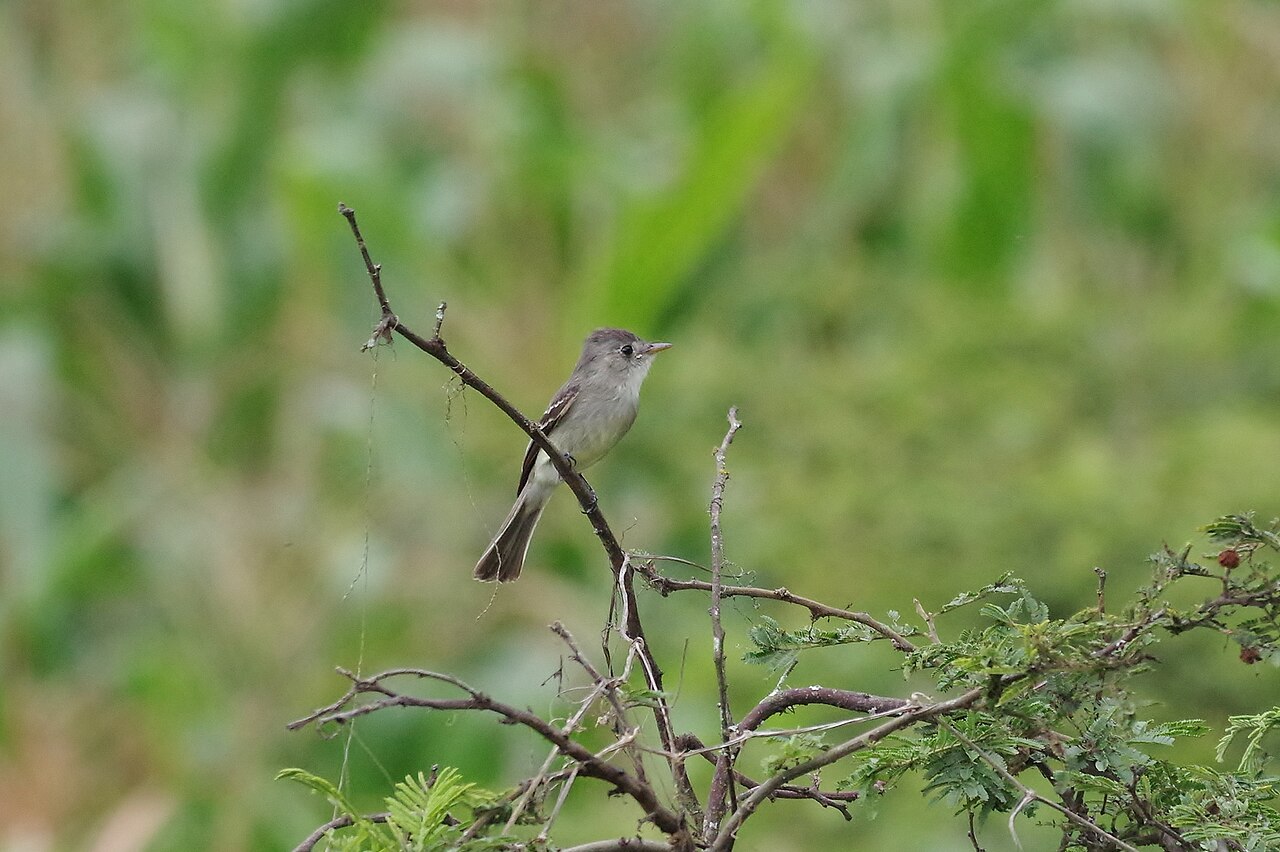
The tufted titmouse is a small songbird native to eastern North America. The species belongs to the tit and chickadee family (Paridae). The black-crested titmouse, found from central and southern Texas southward, was included as a subspecies but now is considered a separate species, Baeolophus atricristatus.
Region
Eastern North America
Typical Environment
Occurs across the eastern United States and parts of southern Ontario and Quebec, primarily in deciduous and mixed woodlands. It favors oak–hickory forests, riparian corridors, parks, and suburban neighborhoods with mature trees. Readily adapts to human-altered landscapes and is a frequent visitor to bird feeders. Avoids extensive treeless areas and dense conifer plantations, preferring broadleaf cover with ample cavities for nesting.
Altitude Range
Sea level to 1500 m
Climate Zone
Temperate
Ease of Keeping
Beginner friendly: 1/5
The tufted titmouse is a lively, inquisitive songbird common in the eastern United States, often visiting backyard feeders. It forms mixed-species flocks with chickadees and nuthatches and is known for caching seeds for later. Nests are built in cavities and frequently lined with animal hair, which the birds sometimes collect from live mammals. Its clear, whistled “peter-peter-peter” song is a familiar sound in deciduous woodlands and suburbs.


Temperament
social and active
Flight Pattern
short rapid wingbeats with quick, direct dashes between perches
Social Behavior
Forms monogamous pairs during breeding and small family groups or mixed-species flocks in nonbreeding seasons. Nests in natural cavities or nest boxes and lines the cup with soft materials such as animal hair. Often caches seeds and nuts within its territory and may defend high-quality feeding sites.
Migratory Pattern
Resident
Song Description
Song is a clear, whistled series of repeated phrases, commonly rendered as “peter-peter-peter.” Calls include sharp scolds and thin contact notes used to maintain flock cohesion and alert others to predators.
Plumage
Soft gray upperparts with white underparts and a wash of rusty on the flanks; prominent pointed crest.
Diet
Eats insects and other invertebrates, including caterpillars, beetles, and spiders, especially in spring and summer. In fall and winter it switches heavily to seeds and nuts, particularly acorns and sunflower seeds. Frequently visits feeders for seeds, suet, and peanuts. Stores food items in bark crevices or leaf litter for later retrieval.
Preferred Environment
Forages in the mid to upper canopy of deciduous and mixed woods, as well as in mature shade trees in suburban yards and parks. Gleans insects from twigs and leaves and hammers seeds against branches to open them. Often joins mixed-species foraging flocks for increased vigilance and efficiency.