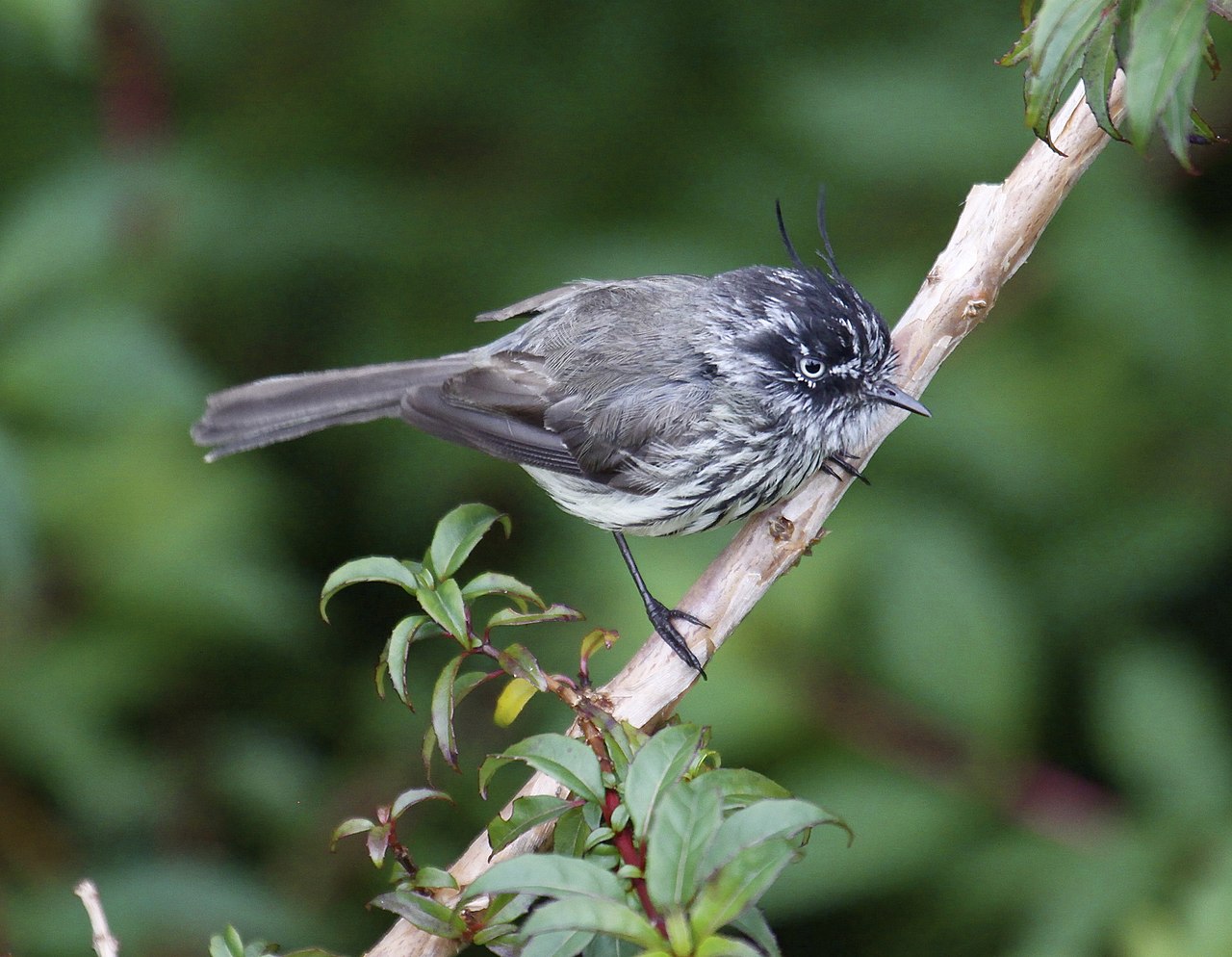
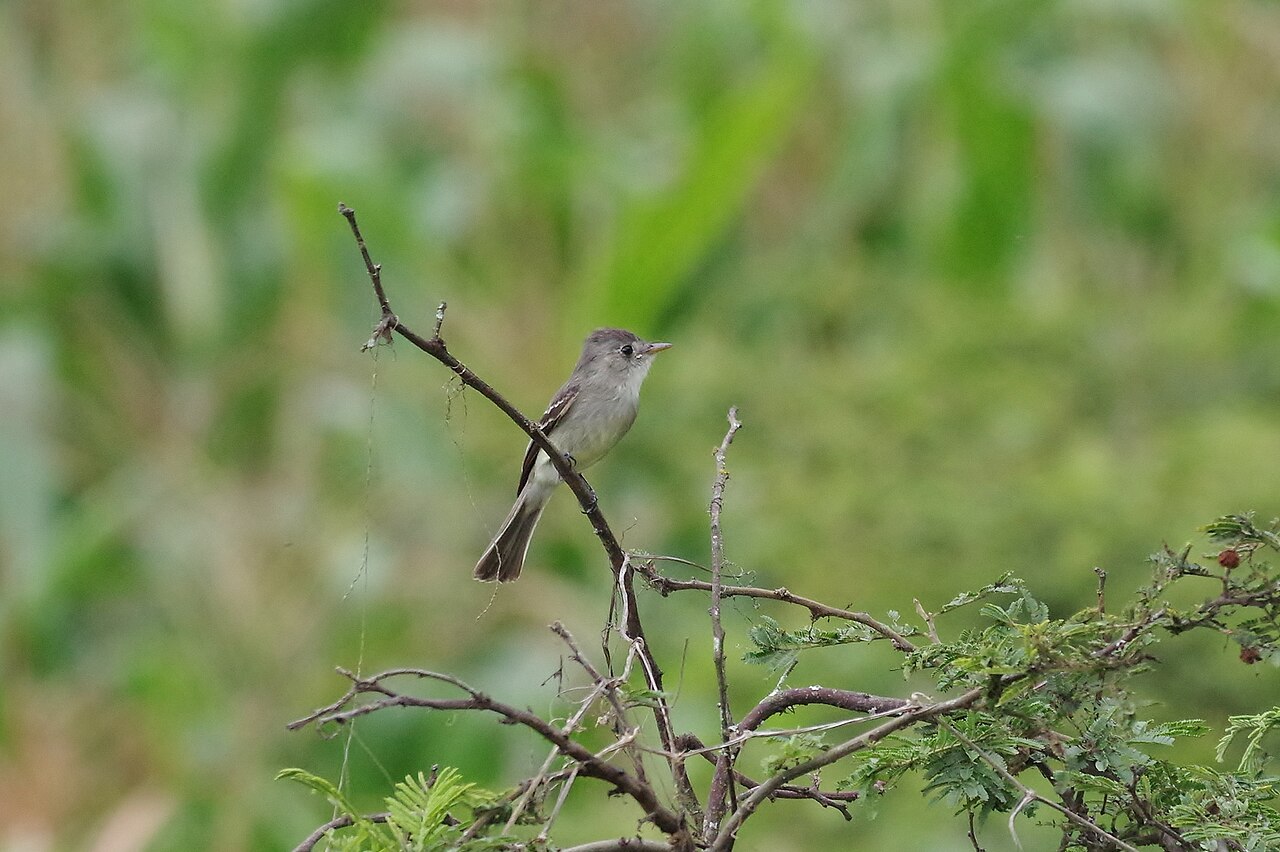
The tufted tit-spinetail is a species of bird in the Furnariinae subfamily of the ovenbird family Furnariidae. It is found in Argentina, Brazil, Uruguay, and possibly Paraguay.
Region
Southern Cone (Pampas and Río de la Plata Basin)
Typical Environment
Occurs in lowland Argentina, Uruguay, southern Brazil, and possibly adjacent Paraguay. It favors open woodland, savanna-like grasslands with scattered trees, and riparian thickets, especially along rivers and streams. The species also uses scrubby pastures, shelterbelts, and rural edges near human habitation. It avoids dense interior forests but readily occupies ecotones and gallery forests.
Altitude Range
0–1200 m
Climate Zone
Temperate
Ease of Keeping
Beginner friendly: 1/5
A small, active ovenbird, the tufted tit-spinetail sports a perky crest and a long, spiny-tipped tail that it flicks while foraging. It often joins mixed-species flocks in open woodlands and riparian scrub. The species is common across the Pampas and Río de la Plata basin and adapts well to lightly modified landscapes like ranchlands and hedgerows.


Temperament
social and active
Flight Pattern
short rapid wingbeats
Social Behavior
Usually seen in pairs or small family groups and frequently joins mixed-species foraging flocks. Monogamous pairs maintain small territories, especially in the breeding season. Nests are typically bulky twig structures placed in shrubs or small trees and lined with softer materials.
Migratory Pattern
Partial migrant
Song Description
Song is a quick, high-pitched series of thin trills and buzzy notes delivered from exposed perches. Calls include sharp chips and scolding chatters while foraging. Vocalizations can quicken during social interactions or territorial displays.
Plumage
Warm brown upperparts with fine streaking, pale buff supercilium, and paler whitish throat blending to grayish-buff underparts. Long, narrow, spiny-tipped tail often shows subtle rufous tones. Erectable crest on the crown gives a distinctive 'tufted' look.
Diet
Feeds primarily on small arthropods, including beetles, caterpillars, spiders, and other insects gleaned from foliage and fine branches. It actively probes and picks among twigs and leaves, often hanging briefly to reach the undersides. Occasional ingestion of small seeds or plant material may occur during lean periods.
Preferred Environment
Forages in open woodland edges, riparian thickets, and scrubby pastures with scattered trees or shrubs. Frequently works in the outer canopy and mid-story of willows, poplars, and native scrub, and follows mixed-species flocks along hedgerows and shelterbelts.