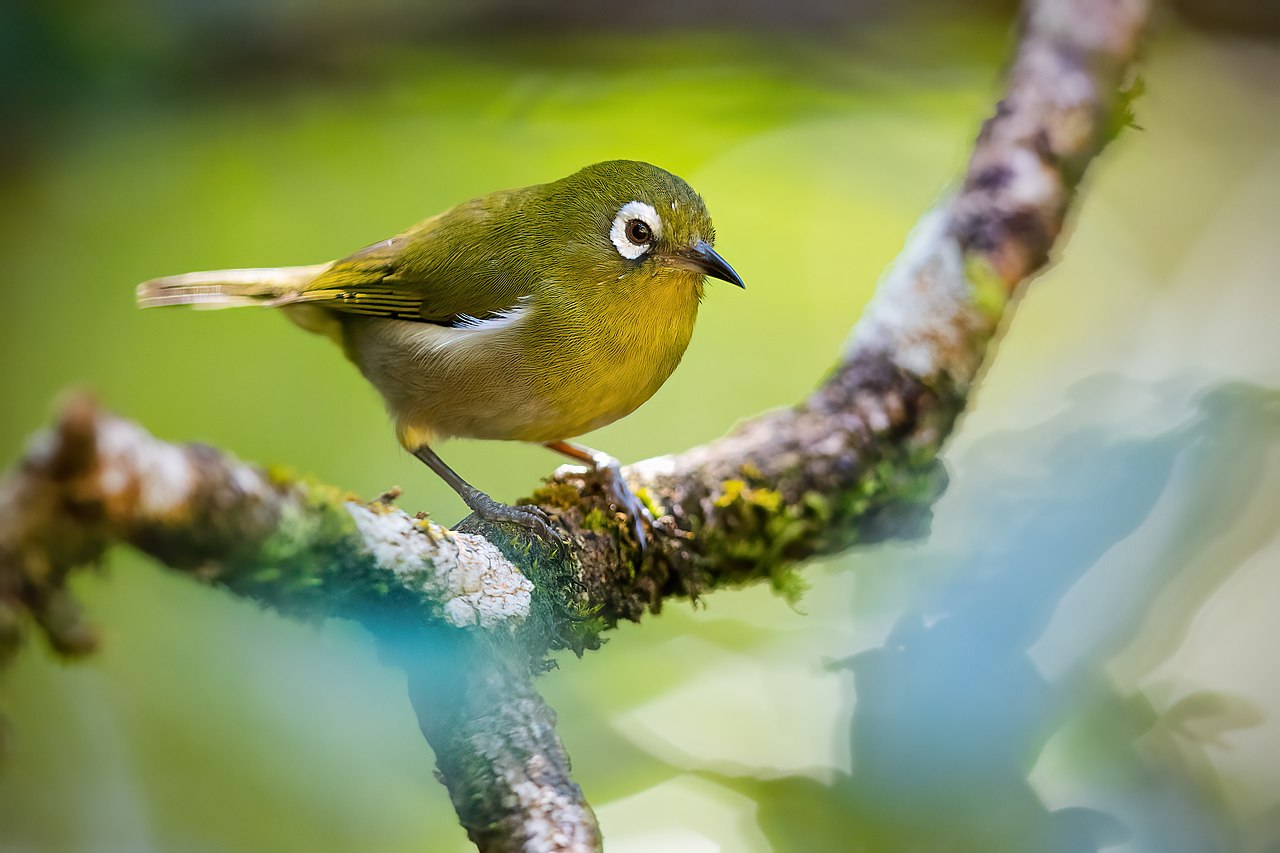
The green-backed tailorbird (Orthotomus chloronotus), also known as the trilling tailorbird, is a species of bird formerly placed in the "Old World warbler" assemblage, but now placed in the family Cisticolidae. The bird is endemic to the Philippines on the Northern side of the island of Luzon. Its natural habitats are tropical moist lowland forests, tropical mangrove forests and secondary growth.
Region
Northern Philippines (Luzon)
Typical Environment
Occurs in the northern portion of Luzon where it inhabits lowland and foothill forests, mangroves, and dense secondary growth. It favors tangled understorey, thickets, bamboo patches, and forest edges. The species often ventures into scrub and semi-open areas near water and along forest margins. It remains close to cover and forages from near ground level up to the mid-storey.
Altitude Range
Sea level to 1200 m
Climate Zone
Tropical
Ease of Keeping
Beginner friendly: 1/5
Also called the green-backed tailorbird, it is famous for sewing leaves together with plant fibers or spider silk to form a cradle for its nest—hence the name “tailorbird.” Its fast, musical trills carry through thickets and are often the easiest way to detect it. The species adapts well to disturbed habitats and secondary growth, provided dense understorey remains.

Temperament
active but skulking
Flight Pattern
short, low flights with rapid wingbeats
Social Behavior
Usually seen in pairs or small family groups and maintains territories during the breeding season. The nest is a classic tailorbird leaf-cradle sewn together with fibers and spider silk, placed low in shrubs. It is presumed largely monogamous, with both parents attending the nest.
Migratory Pattern
Resident
Song Description
A rapid, bright series of high-pitched trills delivered repeatedly from concealed perches. Calls include sharp chip and tzik notes, often given while moving through dense cover.
Plumage
Bright green back and wings with olive tones, contrasting whitish to pale gray underparts with a slight yellow wash on the flanks. The crown can show a faint rufous tinge, and the long, graduated tail is often held cocked. Feathers are neat and smooth, giving a clean, crisp appearance in good light.
Diet
Feeds mainly on small insects and other arthropods such as caterpillars, beetles, ants, and spiders. It gleans from leaves, probes leaf axils, and searches among vine tangles and bamboo. Occasional snatches of tiny prey may be taken in short sallies.
Preferred Environment
Forages in dense undergrowth, thickets, bamboo, and mangrove edges, typically from near ground level to the lower mid-storey. Prefers areas with ample cover, including secondary forest and scrubby edges.