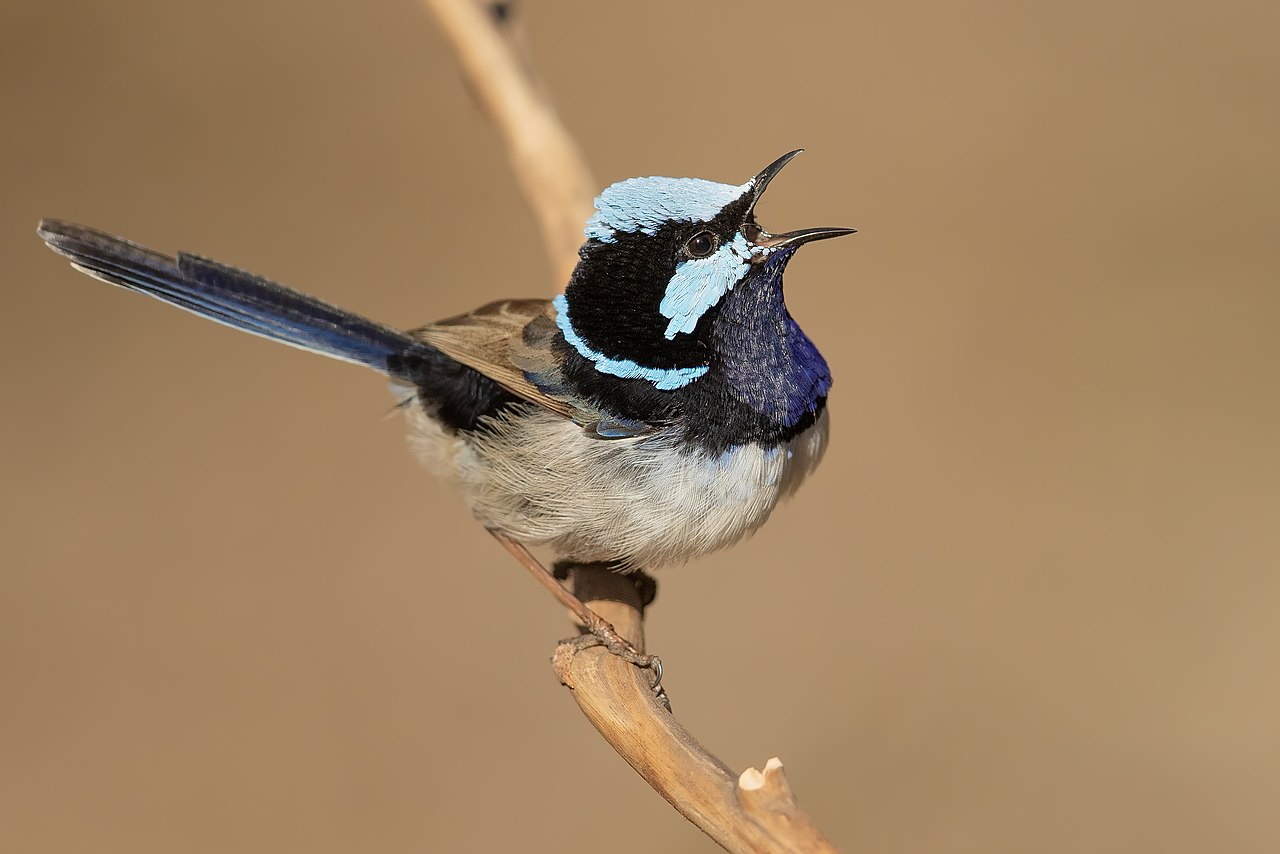
The Sunda thrush is a species of bird in the family Turdidae. It is found in Indonesia, Malaysia, and the Philippines.
Region
Southeast Asia
Typical Environment
The Sunda thrush inhabits the Greater Sunda Islands, including Sumatra, Borneo, and Java, and extends into highland forests of Malaysia. It is primarily a bird of submontane and montane evergreen forest and mossy forest, with occasional use of mature secondary forest and forest edges. Birds keep close to dense understory, gullies, and stream corridors where leaf litter accumulates. It is local and patchy but can be fairly common within suitable habitat.
Altitude Range
600–2700 m
Climate Zone
Tropical
Ease of Keeping
Beginner friendly: 1/5
Also known by the older name Zoothera andromedae, the Sunda thrush is a shy, ground-dwelling thrush of humid montane forests. It often forages by flipping leaf litter and can be surprisingly hard to spot despite its size. Its clear, fluted dawn song carries through mossy forest. Habitat loss in parts of its range is a concern, though the species remains widespread.


Temperament
solitary and secretive
Flight Pattern
short rapid wingbeats, low direct flights through understory
Social Behavior
Usually encountered alone or in pairs, maintaining territories in dense forest. Nests are cup-shaped, placed low in vegetation or on banks, and both sexes may contribute to nest care. Breeding activity peaks in the local wet season in many areas.
Migratory Pattern
Resident
Song Description
A clear, fluty series of mellow whistles, often delivered from a concealed perch at dawn and dusk. Phrases are spaced and slightly melancholic, carrying well through montane forest.
Plumage
Warm brown upperparts with a contrasting buffy to whitish underbody marked by dark scalloping and spotting; throat paler with fine streaks. Feathers appear clean-edged, giving a scaly look on the breast and flanks.
Diet
Feeds mainly on ground-dwelling invertebrates such as beetles, ants, termites, worms, and snails. Supplements its diet with fallen berries and small fruits, especially when invertebrates are less available. Forages methodically by hopping and pausing, flicking leaves aside with the bill. Will occasionally take small amphibians or other soft-bodied prey.
Preferred Environment
Typically forages on the forest floor in dense submontane to montane evergreen forest. Favors damp leaf litter near streams, gullies, and shaded ridges, and sometimes works along quiet trails or edges.