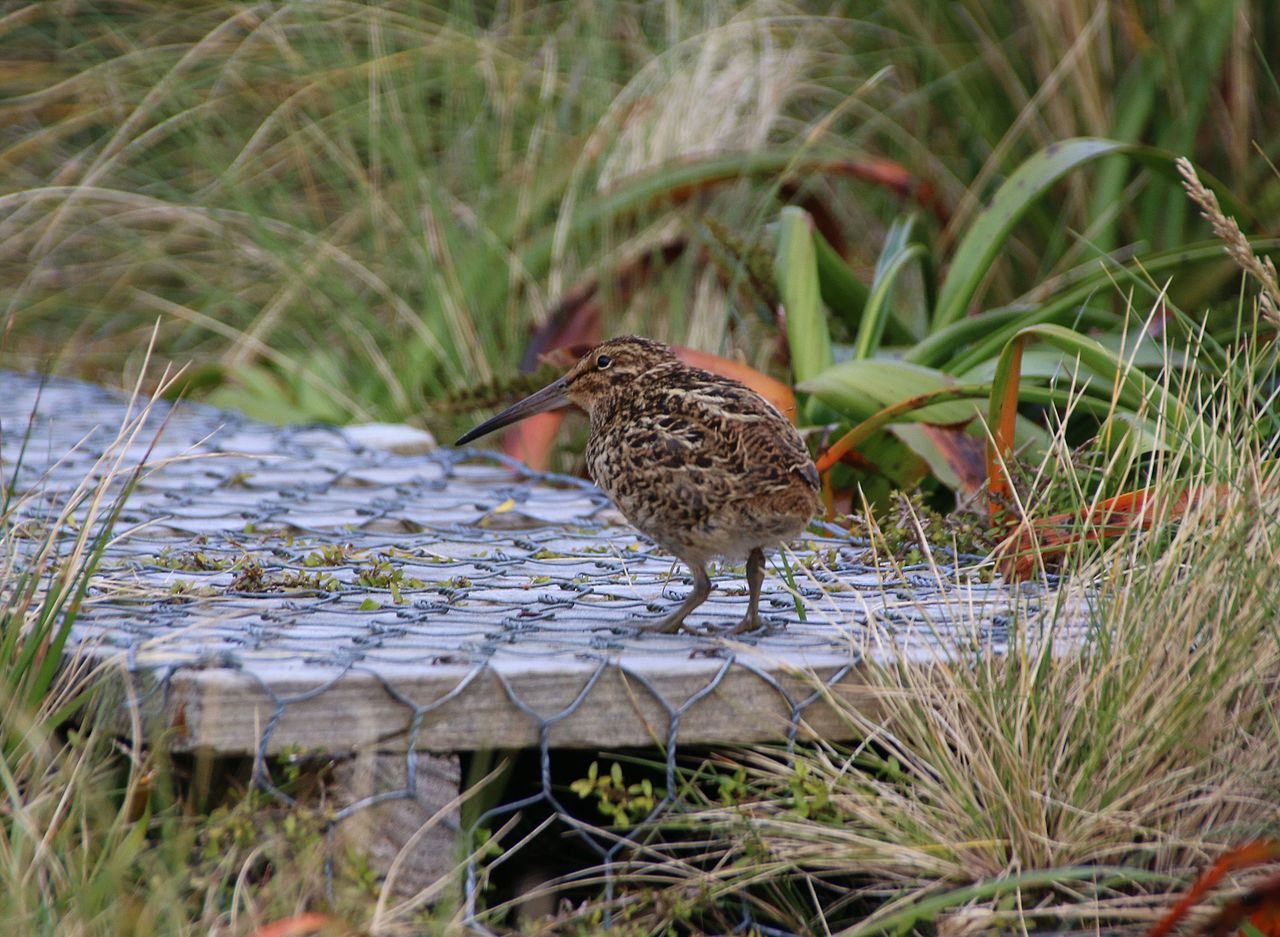
Styan's grasshopper warbler, also known as Pleske's grasshopper warbler and Taczanowski's warbler, is a species of Old World warbler in the family Locustellidae. It breeds in eastern Siberia to Korea, Kyushu and Izu Islands; wintering in South China. Its natural habitats are temperate shrubland, subtropical or tropical dry shrubland, and swamps. It is threatened by habitat loss. Its name recognises the naturalist and collector, Frederick William Styan.
Region
East Asia
Typical Environment
Breeds in the Russian Far East, northeastern China, the Korean Peninsula, and parts of Japan (including Kyushu and the Izu Islands). It favors dense, damp shrublands, reedbeds, and rank grass near wetlands, river margins, and coastal thickets. In winter it is found chiefly in southern China, using reedbeds, overgrown ditches, and marshy scrub. During migration it may appear in overgrown fields, wet meadows, and coastal brush. It avoids open forest and very exposed grassland, remaining close to dense cover.
Altitude Range
Sea level to 800 m
Climate Zone
Temperate
Ease of Keeping
Beginner friendly: 1/5
Also called Pleske's grasshopper warbler or Taczanowski's warbler, it is a secretive skulker best detected by its insect-like reeling song that can carry surprisingly far. It breeds in dense wet shrublands and reedbeds and winters mainly in southern China. Habitat loss and degradation of coastal marshes and low thickets are the primary threats to this species.

Temperament
solitary and secretive
Flight Pattern
short rapid wingbeats, low and undulating over vegetation
Social Behavior
Typically solitary or in pairs during the breeding season, with males holding small territories and singing from concealed perches. Nests are cup-shaped and placed low in dense grass or shrubs near wet areas. Clutches are usually several eggs, and both adults remain close to cover while foraging. Outside breeding, it remains unobtrusive and rarely forms large flocks.
Migratory Pattern
Seasonal migrant
Song Description
A long, high-pitched, insect-like reeling trill reminiscent of a grasshopper, often delivered from deep cover. Most vocal at dawn and dusk, and sometimes continues reeling for extended periods. Calls include thin ticks and soft chips when alarmed.
Plumage
Upperparts warm brown with darker streaking; underparts buffy to greyish with fine streaks on the breast and flanks. Long, rounded, graduated tail and a diffuse pale supercilium; wings plain with subtle edging. Feathers appear soft and loosely textured, aiding a cryptic, mottled look in dense cover.
Diet
Feeds mainly on insects and other small invertebrates such as beetles, crickets, grasshoppers, caterpillars, spiders, and small snails. Prey is gleaned from low vegetation, litter, and stems, and occasionally taken by brief sallying or hover-gleaning. In the non-breeding season it may opportunistically take small seeds or berries but remains primarily insectivorous.
Preferred Environment
Forages in dense reedbeds, sedge marshes, wet shrublands, overgrown canal edges, and coastal thickets. It stays close to dense cover, working methodically through stems and leaf litter. During migration it uses weedy fields and brushy margins near water.