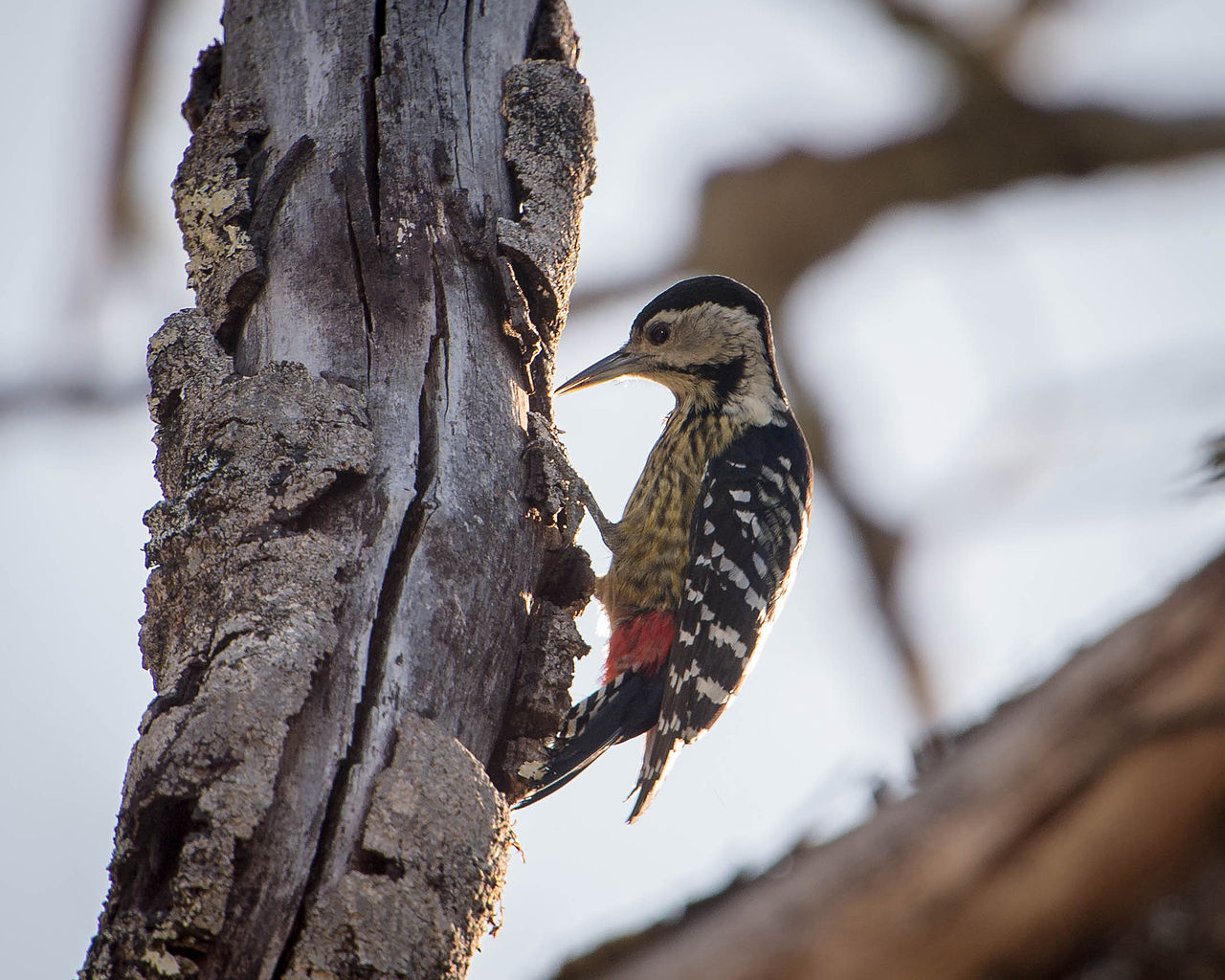
The stripe-breasted seedeater is a species of finch in the family Fringillidae. It is native to Sudan, Ethiopia, and Kenya.
Region
Northeast Africa and the Horn of Africa
Typical Environment
Occurs from eastern Sudan through the Ethiopian Highlands and south into northern Kenya, with a patchy presence in adjacent arid and semi-arid zones. It frequents dry savanna, thornbush, and Acacia-Commiphora scrub, as well as open woodland edges and weedy farmland. The species adapts well to human-modified habitats with abundant seed sources, including fallow fields and village outskirts. It is generally non-migratory, making local movements in response to food and rainfall.
Altitude Range
500–2600 m
Climate Zone
Tropical
Ease of Keeping
Beginner friendly: 2/5
The stripe-breasted seedeater is a small African finch noted for fine streaking across its breast and a strong, conical bill adapted to husking seeds. It often moves in small, loose flocks outside the breeding season and readily visits weedy fields and bushy edges. During breeding it adds small insects to its diet, especially for nestlings. Its subtle plumage can make it tricky to distinguish from other seedeaters, so the bold breast streaking and pale eyebrow are helpful clues.

Temperament
social and active
Flight Pattern
short rapid wingbeats with an undulating finch-like flight
Social Behavior
Outside the breeding season it forms small flocks or joins mixed seedeater groups at food sources and water. Pairs are typically monogamous, nesting low in shrubs or thorny bushes. The cup-shaped nest is built from grasses and plant fibers and lined with softer material.
Migratory Pattern
Resident
Song Description
A soft, twittering series of trills and tinkling notes delivered from an exposed perch or during short display flights. Calls include thin ‘tseep’ contact notes and rapid chatter when in flocks.
Plumage
Upperparts brown to grey-brown with fine darker streaking; underparts pale buff to whitish with distinct dark streaks across the breast tapering onto the flanks. Texture is smooth and close-feathered with modest gloss. Sexes are similar, females typically duller with finer streaks.
Diet
Primarily takes small grass and weed seeds, husking them efficiently with its stout bill. It also consumes seeds of cultivated cereals and opportunistically uses seeding heads along paths and fields. During breeding it supplements with small insects and other invertebrates to provide protein for chicks. It will occasionally take tender plant matter and buds.
Preferred Environment
Feeds on the ground and in low vegetation within dry scrub, thornbush, and field margins. Often forages along roadsides, fallow plots, and village edges where seed availability is high.