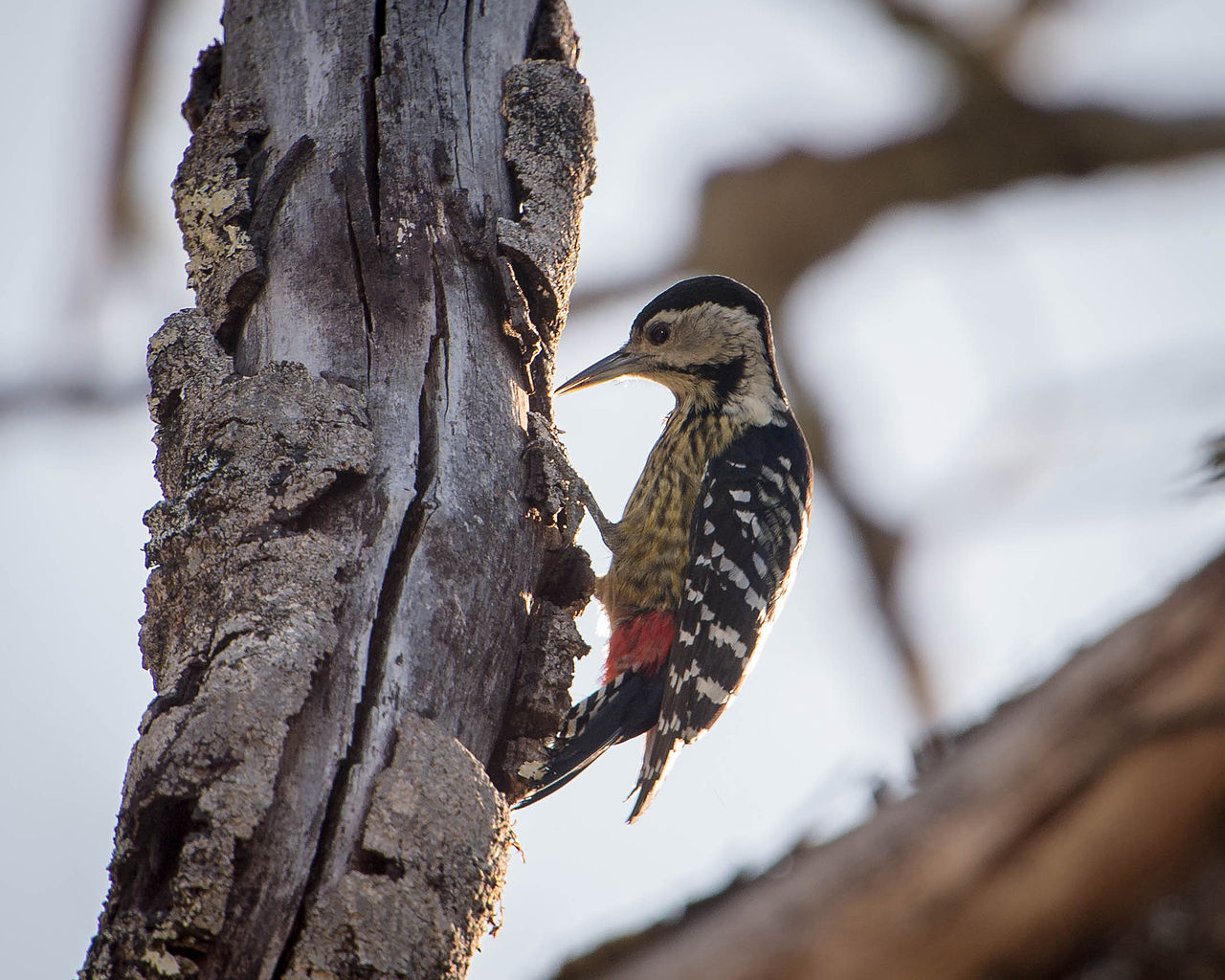
The stripe-billed aracari or stripe-billed araçari is a near-passerine bird in the toucan family Ramphastidae. It is found in Colombia, Ecuador, and Panama.
Region
Chocó–Darién (eastern Panama, western Colombia, western Ecuador)
Typical Environment
Occurs in humid lowland and foothill forests, especially within the Chocó biogeographic region. It uses primary rainforest as well as edges and tall secondary growth, and often follows fruiting trees along rivers and clearings. The species spends most of its time in the mid- to upper canopy but will descend to lower levels where fruiting shrubs are abundant. It tolerates some habitat disturbance but declines where extensive forest has been removed.
Altitude Range
Sea level to 1200 m
Climate Zone
Tropical
Ease of Keeping
Beginner friendly: 2/5
This small toucan is named for the bold pale striping on its bill and the chestnut collar across the nape. It travels in small, noisy groups through the canopy and is an important seed disperser thanks to its fruit-heavy diet. It nests in tree cavities, often reusing old woodpecker holes, with both parents sharing incubation and chick rearing.


Temperament
social and active
Flight Pattern
short rapid wingbeats
Social Behavior
Usually seen in small groups moving through the canopy, sometimes joining mixed-species foraging flocks. Pairs or small parties use tree cavities for nesting, often ones excavated by woodpeckers. Both sexes incubate 2–4 eggs and feed the young; communal roosting in cavities may occur outside the breeding season.
Migratory Pattern
Resident
Song Description
Vocalizations are sharp, squeaky notes and rattling calls delivered in quick series. Groups call back and forth as they move, creating a chattering chorus that carries through the forest canopy.
Plumage
Upperparts dark green with a chestnut nuchal collar and blackish head; underparts yellow with a bold black breast band and a reddish belly patch; rump reddish.
Diet
Primarily eats fruit, swallowing small fruits whole and later regurgitating seeds, which aids forest regeneration. It also takes insects and other arthropods gleaned from foliage and branches. Occasionally it may consume eggs or small vertebrates opportunistically.
Preferred Environment
Forages mainly in the mid- and upper canopy of humid forest, at edges, and in tall secondary growth. Frequently visits fruiting trees and sometimes orchards or shaded plantations near intact forest.