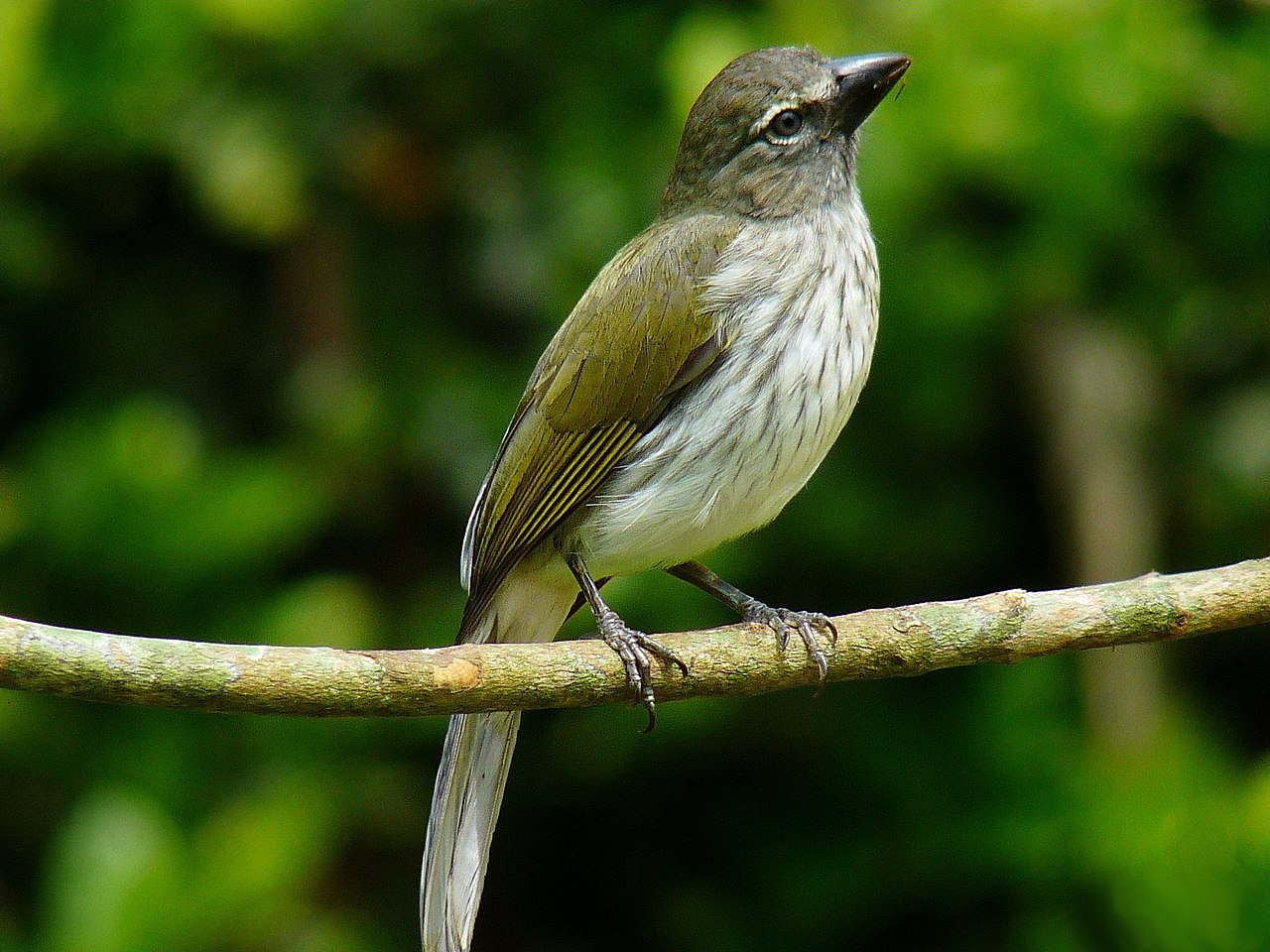
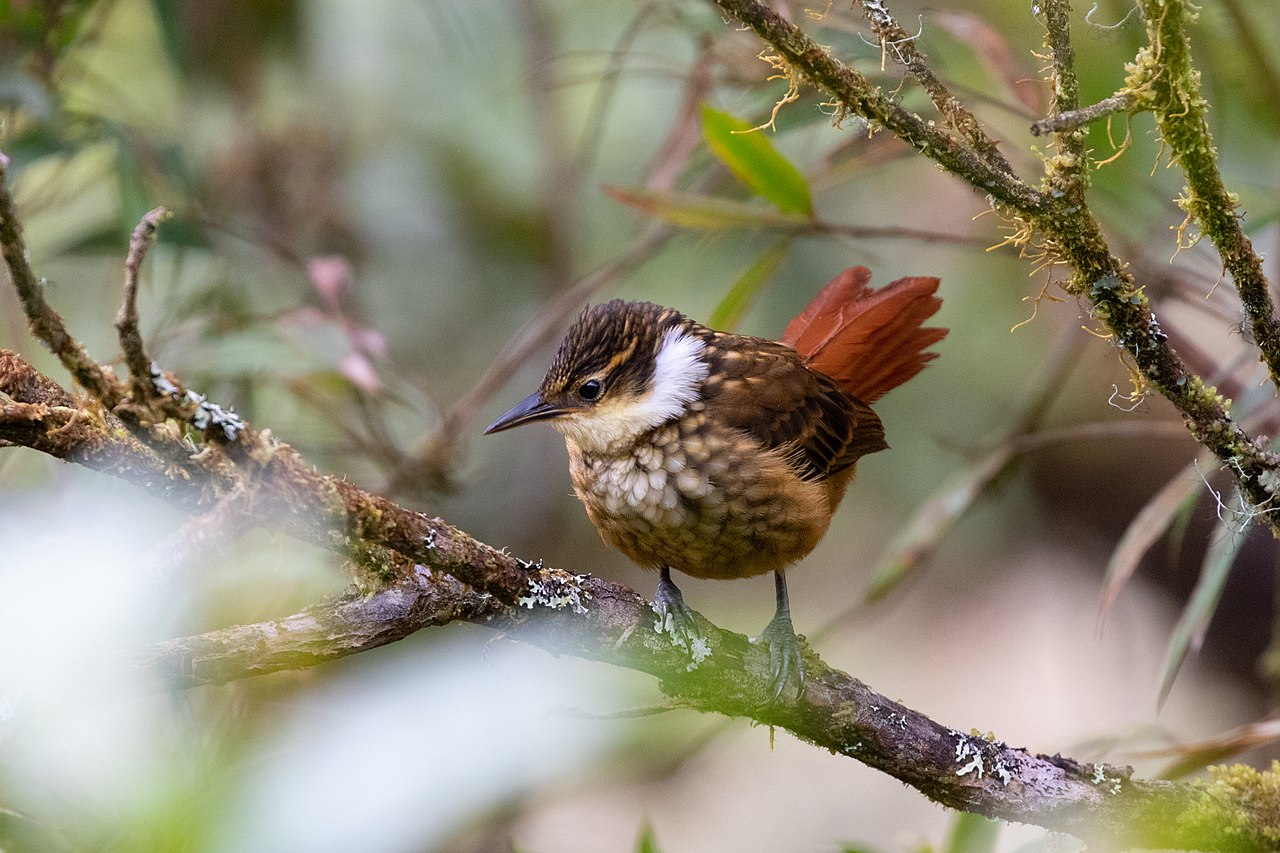
The streaked rosefinch is a true finch species. It is found on the Himalayan Plateau. Its natural habitat is boreal shrubland.
Region
Himalayas and Tibetan Plateau
Typical Environment
Occurs across the high Himalayas and the Qinghai–Tibet Plateau, including parts of western China, Nepal, Bhutan, and northern India. It favors alpine and subalpine shrublands with juniper and rhododendron, rocky slopes, and scree near the snowline. In winter it may move to slightly lower, more sheltered valleys with scattered bushes. It is typically found in open, sparsely vegetated habitats rather than dense forest.
Altitude Range
3000–5500 m
Climate Zone
Highland
Ease of Keeping
Beginner friendly: 1/5
The streaked rosefinch is a high-altitude finch of the Himalayas and Tibetan Plateau, often seen on windswept scree slopes and dwarf shrublands. Males show rosy hues despite the heavily streaked plumage that gives the species its name, while females are browner and more cryptic. It makes altitudinal movements, descending in winter to slightly lower elevations. Its sturdy conical bill is adapted to cracking tough alpine seeds and buds.

Temperament
social and active
Flight Pattern
fast, undulating flight
Social Behavior
Outside the breeding season it forages in small flocks that roam over alpine slopes. During breeding, pairs hold loose territories and nest low in dense shrubs or among rocks. The female typically builds the nest, while both parents feed the young.
Migratory Pattern
Partial migrant
Song Description
A sweet, warbling finch-like song with clear, tinkling phrases delivered from a shrub or rock. Calls include sharp metallic chips and soft twitters used to keep contact within flocks.
Plumage
Heavily streaked above and below with coarse dark streaks; males have a rosy wash on head, breast, and rump, females are more uniformly brown and streaked. Feathers often show pale edging on the wings and back, enhancing the streaked effect.
Diet
Primarily eats seeds of alpine plants, including grasses and forbs, as well as buds and shoots of shrubs such as juniper and rhododendron. In the breeding season it supplements the diet with insects and other small invertebrates. It may also take small berries when available. Grit is ingested to help grind tough seeds.
Preferred Environment
Feeds on the ground among scree and short turf and in low shrubs, often along ridgelines and rocky slopes. In winter it frequents shrubby valley edges, fallow fields, and grassy patches near settlements.