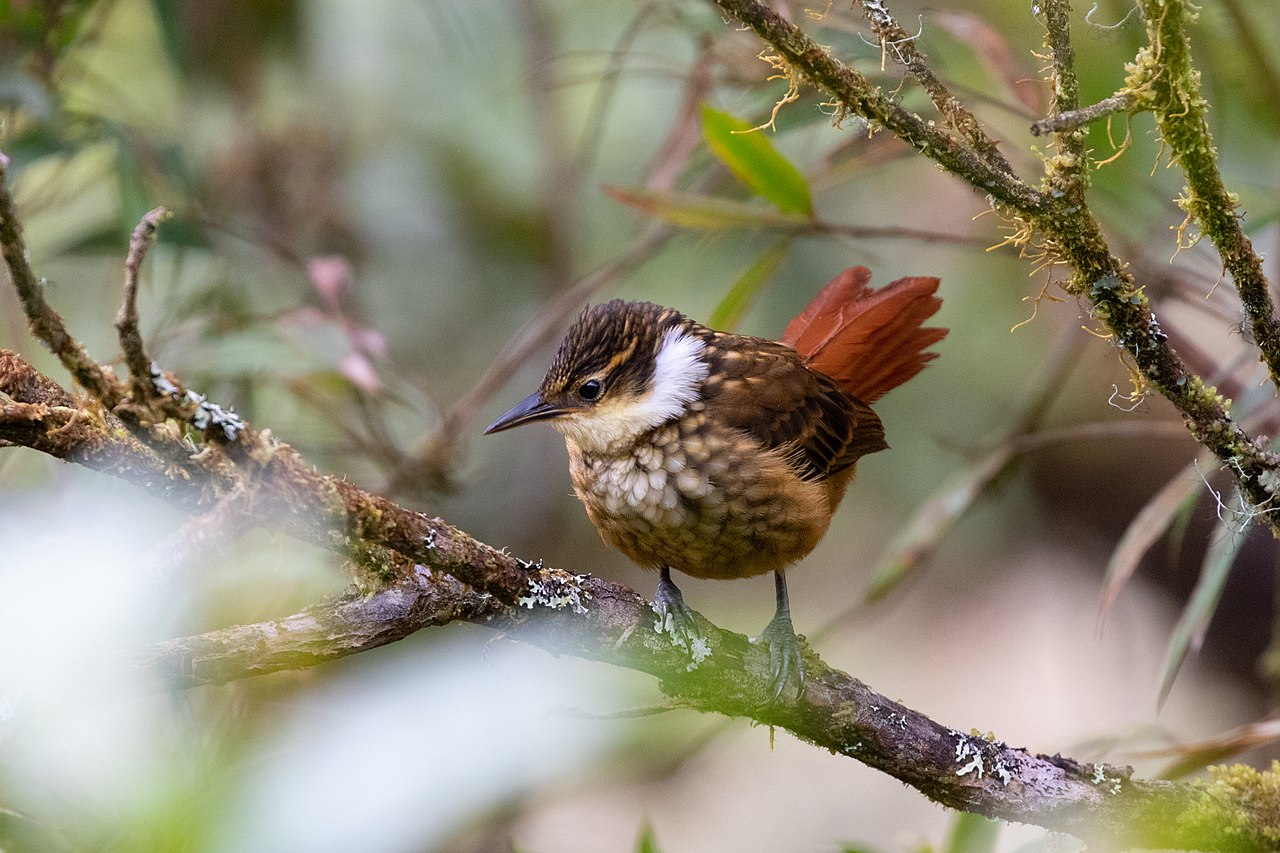
The streaked shearwater is a species of seabird. The adult bird averages 48 cm (19 in) in length, with a 122 cm (48 in) wingspan.
Region
Northwest Pacific
Typical Environment
Primarily pelagic over warm temperate to subtropical waters, it forages far offshore and along productive continental shelf edges. Breeding occurs on vegetated offshore islands with suitable soil for burrowing, often on steep slopes under forest or scrub. Outside the breeding season, birds disperse widely across the northwest Pacific, frequenting areas of upwelling and oceanic fronts. They come to land mostly at night to avoid predators.
Altitude Range
Sea level to 500 m
Climate Zone
Subtropical
Ease of Keeping
Beginner friendly: 1/5
A long-distance pelagic seabird, the streaked shearwater spends most of its life over open oceans, returning to land only to breed. It uses dynamic soaring to skim wave troughs with minimal effort and often gathers in vast rafts on the water. Colonies are nocturnally active, and birds are sensitive to light pollution and introduced predators.

Temperament
oceanic and gregarious
Flight Pattern
dynamic soaring and low, shearing glides over waves
Social Behavior
Breeds in dense colonies, nesting in burrows dug into soil or under vegetation. Mostly nocturnal at colonies, arriving after dusk and departing before dawn. Forms long-term pair bonds and typically lays a single egg, with both parents sharing incubation and chick-rearing.
Migratory Pattern
Seasonal migrant
Song Description
Generally quiet at sea, but at night in colonies it gives eerie wails, cackles, and moaning calls. Duetting between mates is common, and vocalizations help birds locate partners and burrows in darkness.
Plumage
Pale grey-brown upperparts with darker flight feathers; clean white underparts with fine dusky streaking on the sides of the neck and flanks. White underwing with a narrow dark border. Dark cap and nape contrast with a paler face; bill is pale horn-yellow and slender.
Diet
Feeds on small schooling fish, squid, and crustaceans, and will opportunistically take fishery discards. Prey is captured by surface-seizing, shallow plunges, and short pursuit dives. Often associates with predatory fish that drive prey to the surface and may join mixed-species feeding flocks.
Preferred Environment
Forages over continental shelf edges, upwellings, and oceanic frontal zones where prey is concentrated. Frequently follows fishing vessels and is attracted to areas of high productivity.