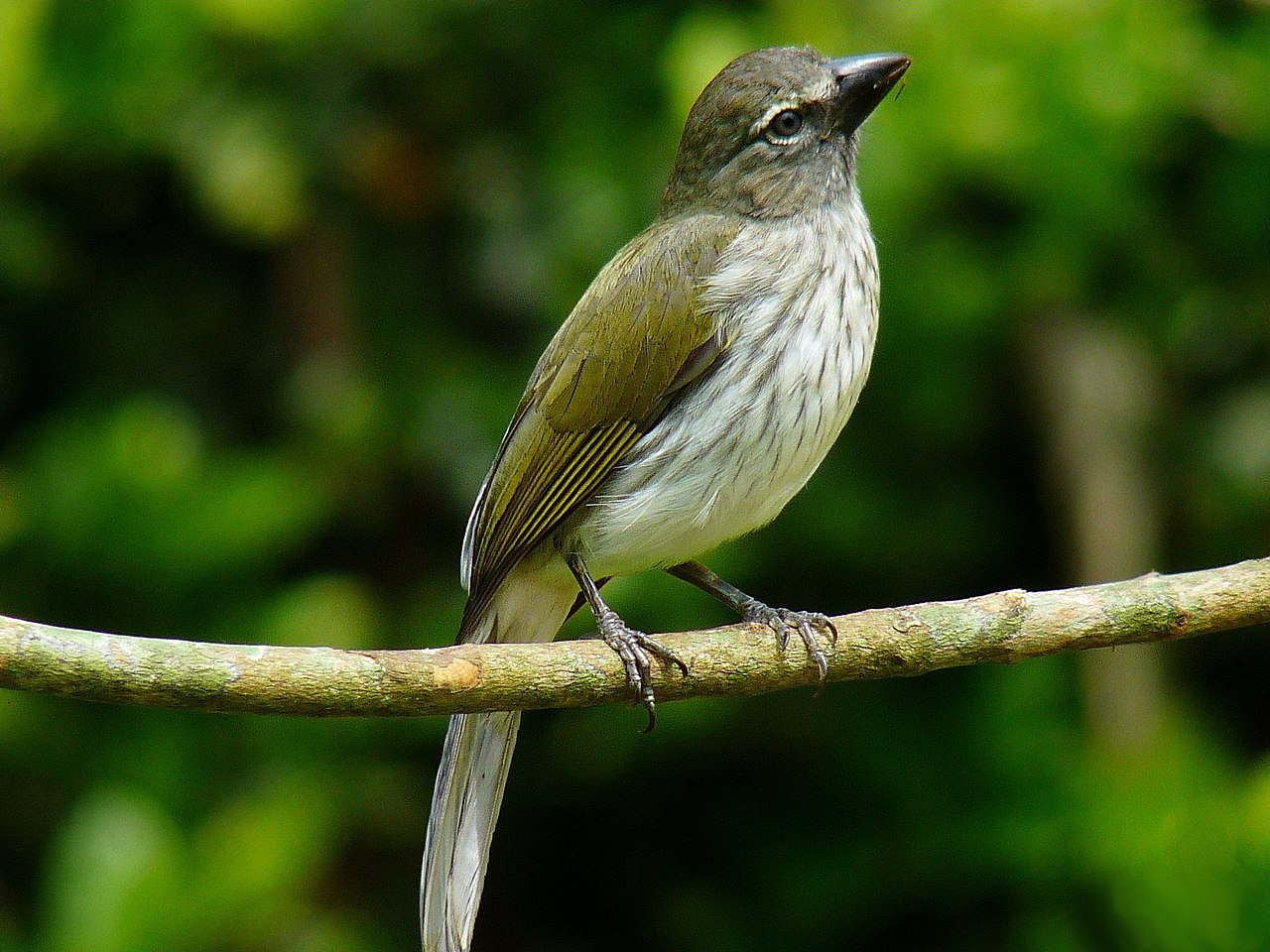
The streaked dacnis is a small neotropical passerine bird found in Peru. It is found in Andean montane scrub forests from 3000 m to 4600 m elevation.
Region
Andes Mountains
Typical Environment
Occurs in the Peruvian Andes, chiefly in high-elevation montane scrub, Polylepis and Gynoxys woodland, and elfin-forest edges. It favors shrubby slopes, ravines, and rocky hillsides where low, dense vegetation provides foraging substrates. The species often uses ecotones between puna grassland and dwarf woodland. It is patchily distributed but can be locally common where suitable shrub cover persists.
Altitude Range
3000–4600 m
Climate Zone
Highland
Ease of Keeping
Beginner friendly: 1/5
The streaked dacnis is a tiny high-Andean tanager that forages nimbly among shrubs much like a tit, often joining mixed-species flocks. It is strongly associated with montane scrub and Polylepis/Gynoxys woodlands at very high elevations. Males are typically bluish, while females are duller and more heavily streaked, a contrast that helps with field identification. Habitat loss in high-Andean scrub can affect local numbers, so intact shrub-grassland mosaics are important for this species.

Temperament
active and agile
Flight Pattern
short rapid wingbeats
Social Behavior
Usually seen in pairs or small family groups and frequently associates with mixed-species flocks of high-Andean insectivores. Forages by gleaning and probing among outer foliage and flower clusters, occasionally hovering briefly. Nesting likely occurs low in dense shrubs, with typical tanager-like biparental care.
Migratory Pattern
Resident
Song Description
Vocalizations are thin, high-pitched tsee and tsit notes, often given in quick series while foraging. The song is a simple, delicate twittering or short trills, carrying only a short distance in windy alpine habitat.
Plumage
Small, compact dacnis with fine streaking on the underparts; males are bluish with darker accents while females are browner with more obvious streaks. Both sexes show a slender, pointed bill and relatively plain wings and tail.
Diet
Primarily small insects and other arthropods gleaned from leaves, buds, and flower heads. It picks prey from twigs and leaf surfaces and may sally or hover briefly to take tiny invertebrates. Occasional consumption of small berries, nectar, or pollen is possible, especially when insect activity is low.
Preferred Environment
Feeds in dense montane scrub, Polylepis/Gynoxys patches, and elfin-forest edges. Often concentrates along sheltered ravines and sunny slopes where flowering shrubs attract insects.