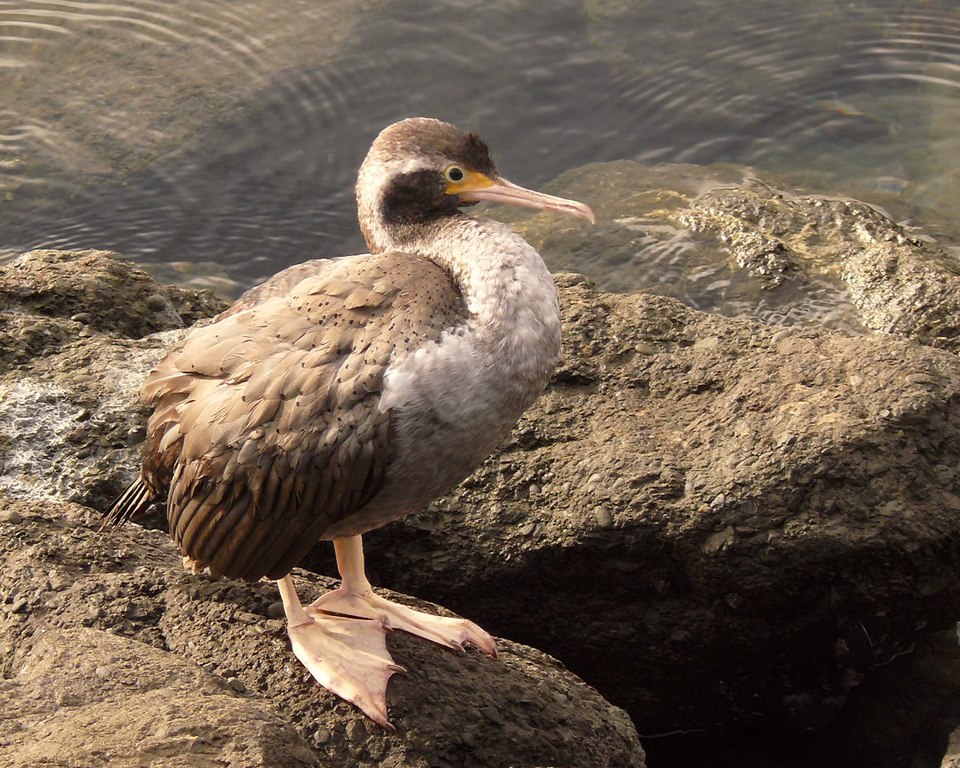
The spotted rail is a species of bird in the subfamily Rallinae of the rail, crake, and coot family Rallidae. It is found in Mexico, Central America, the Caribbean, and South America.
Region
Neotropics
Typical Environment
Occurs from Mexico through Central America and the Caribbean into much of South America. It inhabits freshwater and brackish marshes, swamps, the edges of lagoons, flooded grasslands, and rice fields with dense emergent vegetation. It favors areas with cattails, reeds, sedges, and floating mats where it can remain concealed. It may expand locally after heavy rains or flooding and retract when wetlands dry. Urban-adjacent wetlands and agricultural wetlands are also used where cover is available.
Altitude Range
Sea level to 2000 m
Climate Zone
Tropical
Ease of Keeping
Beginner friendly: 1/5
A shy, marsh-dwelling rail, the spotted rail is more often heard than seen, slipping through dense reeds with ease thanks to its laterally compressed body. It often turns up in flooded pastures and rice fields and can appear locally common after heavy rains. Its loud, grunting calls are most frequent at dawn and dusk. Despite a wide range, it remains patchily distributed where suitable wetlands persist.


Temperament
secretive and skulking
Flight Pattern
short rapid wingbeats, low and direct, quickly dropping back into cover
Social Behavior
Usually solitary or in pairs, keeping to dense emergent vegetation. Nests are placed low over water or on platforms in thick reeds or sedges; both sexes likely share incubation and chick-rearing. Clutches are moderate-sized, and downy chicks are precocial and highly mobile. Territorial during breeding but may aggregate loosely in rich feeding areas.
Migratory Pattern
Partial migrant
Song Description
Vocalizations include loud, grunting series and harsh squeals, often delivered at dawn and dusk. Pairs may duet with accelerating, repetitive notes. Calls carry far across marshes and can be the best clue to its presence.
Plumage
Dark brown to blackish upperparts heavily spangled with white spots; underparts dark with bold white spotting and barred flanks. Face often gray-tinged with contrasting spotting; wings and back show dense white speckling. Tail short; body laterally compressed.
Diet
Feeds on aquatic and terrestrial invertebrates such as insects, snails, and crustaceans, as well as small amphibians when available. It also takes seeds, grains, and other plant matter, especially in agricultural wetlands. Forages by probing soft mud and picking prey from vegetation and water surfaces. Opportunistic and adaptable to seasonal resource changes.
Preferred Environment
Forages along the edges of dense reeds, sedges, and floating vegetation, often in shallow water or muddy margins. Frequently uses rice fields, flooded pastures, and drainage ditches where cover is close by. Will venture into more open patches during low light when disturbance is minimal.