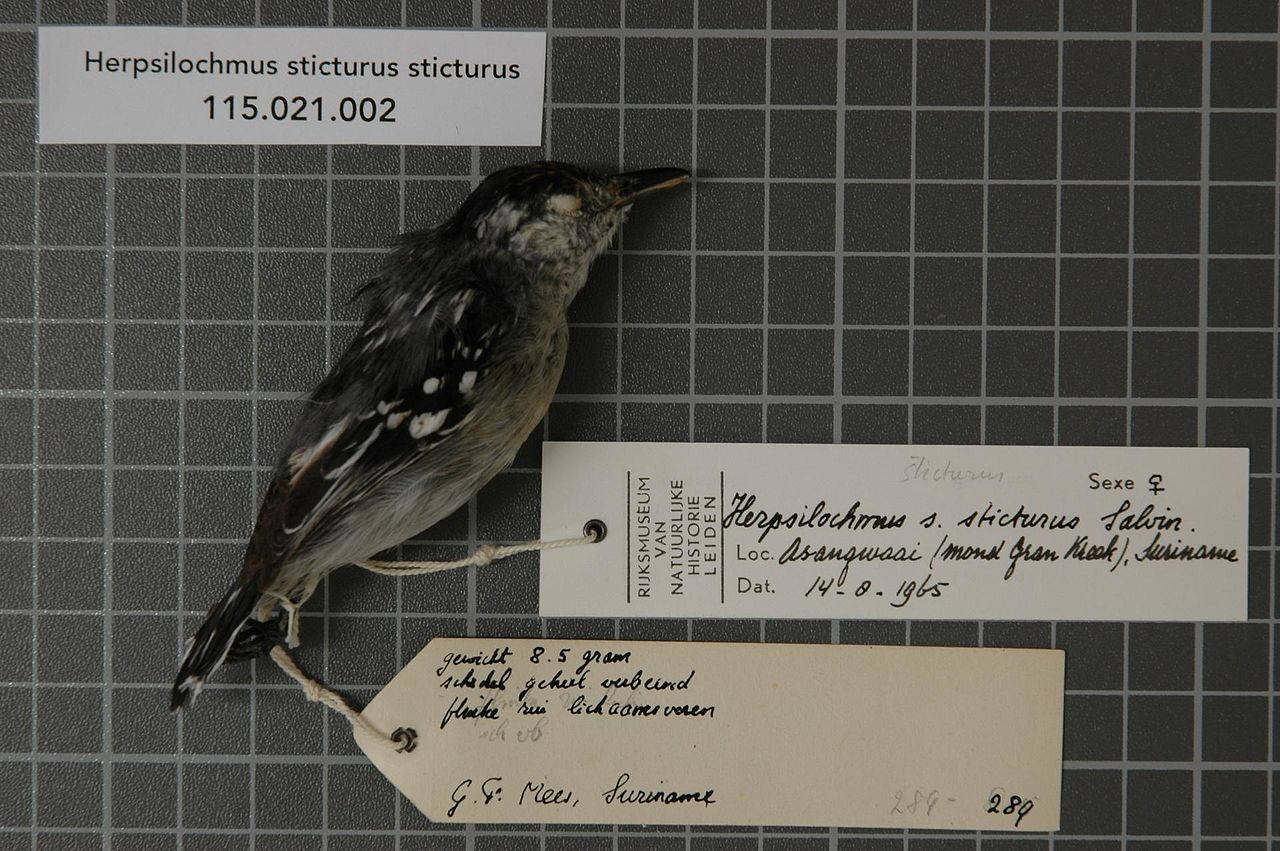
The spot-fronted swift is a species of bird in subfamily Cypseloidinae of the swift family Apodidae. It is found in Colombia, Costa Rica, Ecuador, Panama, Peru, and Venezuela.
Region
Central America and Northern Andes
Typical Environment
Occurs from southern Central America (Costa Rica and western Panama) into northern South America, including Colombia, Venezuela, Ecuador, and Peru. Prefers humid montane and cloud forests, especially near cliffs, gorges, and waterfalls. Frequently seen above forested ridges, river valleys, and open sky over montane landscapes. Nests are placed on wet rock faces and behind waterfalls where constant spray keeps the site damp. Local movements follow weather and insect swarms.
Altitude Range
600–3000 m
Climate Zone
Highland
Ease of Keeping
Beginner friendly: 1/5
The spot-fronted swift is a dark, mountain swift named for the small pale spots on its forehead. It often nests on perpetually wet cliff faces and behind waterfalls, a hallmark of many Cypseloides swifts. It forages high over ridges and valleys, frequently mixing with other swift species. Its fast, scything flight and sparse, high-pitched calls can make it challenging to detect except when flying low in poor weather.


Temperament
social and active
Flight Pattern
fast flight with short rapid wingbeats interspersed with glides
Social Behavior
Often forages in small to medium flocks, frequently mixing with other swift species. Pairs nest on wet cliffs or behind waterfalls and may form loose colonies at suitable sites. Likely monogamous, with both parents attending the nest. Roosting may occur communally on sheltered rock faces.
Migratory Pattern
Resident
Song Description
Vocalizations are sparse and high-pitched, consisting of thin chips and short buzzy notes given in flight. Calls can be hard to hear over rushing water at nesting sites. Not known for elaborate song.
Plumage
Overall sooty-brown to blackish with a subtly paler throat and small pale spotting on the forehead. Feathers appear matte with little gloss; tail slightly notched. Wings are long and scythe-shaped, giving a narrow, pointed silhouette in flight.
Diet
An aerial insectivore that captures flying insects on the wing. Takes a variety of small insects such as flies, beetles, and winged ants. Often tracks insect swarms along ridgelines and over valleys, especially before storms or in turbulent air. Feeding height varies from canopy level to high overhead.
Preferred Environment
Typically feeds over humid montane forest, forest edges, and river gorges. Frequently forages near cliffs and waterfalls where updrafts concentrate insects.