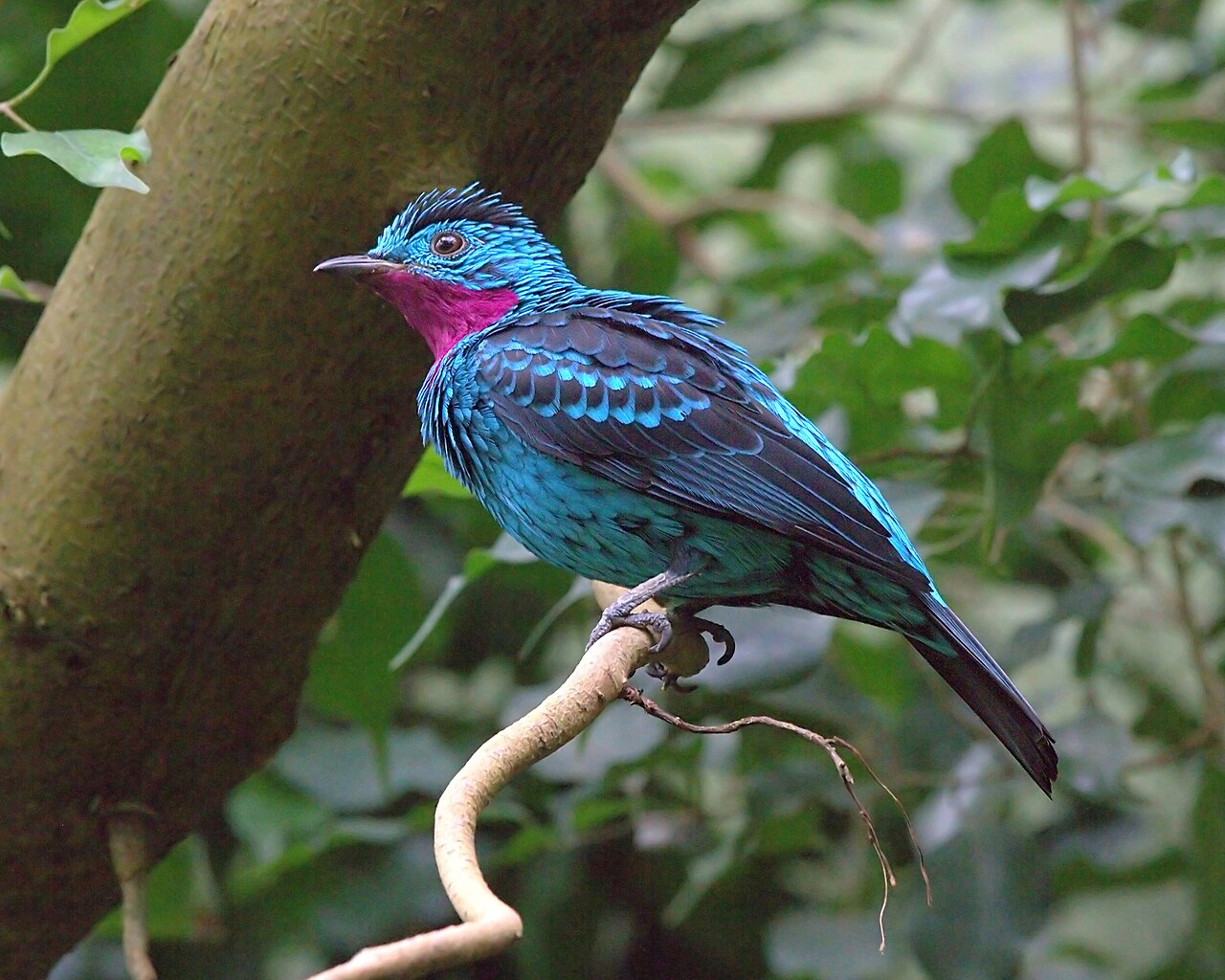
The southern yellow white-eye is a bird species in the family Zosteropidae. It is found in parts of southern Africa. It was formerly considered conspecific with the African yellow white-eye.
Region
Southern Africa
Typical Environment
This species ranges across parts of south-central and southeastern Africa, including Angola, Zambia, Zimbabwe, Malawi, Mozambique, and northern Botswana. It occupies a variety of wooded habitats, especially miombo and mopane woodlands, forest edges, riverine thickets, and secondary growth. It also adapts well to parks and suburban gardens with dense shrubbery. Local movements track flowering and fruiting trees, but overall the species remains within its regional range.
Altitude Range
Sea level to 2000 m
Climate Zone
Tropical
Ease of Keeping
Beginner friendly: 1/5
The southern yellow white-eye is a small, active songbird named for its bold white eye-ring. It often joins mixed-species flocks while foraging and can be a regular visitor to gardens with flowering shrubs. By sipping nectar and brushing against pollen, it helps pollinate a variety of native plants. It was formerly grouped with the African yellow white-eye before being recognized as a separate species.
Temperament
social and active
Flight Pattern
short rapid wingbeats
Social Behavior
Often travels in small, chattering flocks and readily joins mixed-species foraging parties. Pairs are monogamous during the breeding season, building neat cup nests suspended in shrubs or small trees. Both parents participate in feeding the nestlings.
Migratory Pattern
Resident
Song Description
A rapid series of thin, high-pitched twitters and tsee-tsee notes delivered in lively bursts. Calls are constant contact chips that keep the flock coordinated while foraging.
Plumage
Olive-green upperparts with a bright yellow throat and vent, and paler grayish-white underparts. Feathers are sleek and close-fitting, giving a smooth, well-groomed appearance.
Diet
Feeds on small insects, spiders, and other arthropods gleaned from foliage and bark. Also takes soft fruits and berries, and frequently laps nectar from flowers. It may hover briefly to reach blooms and will probe flowers methodically. In gardens it may visit fruit trays or flowering ornamentals.
Preferred Environment
Forages in the mid to upper canopy of woodlands and at forest edges. Also uses dense shrubs, riverine thickets, and flowering trees in suburban areas.