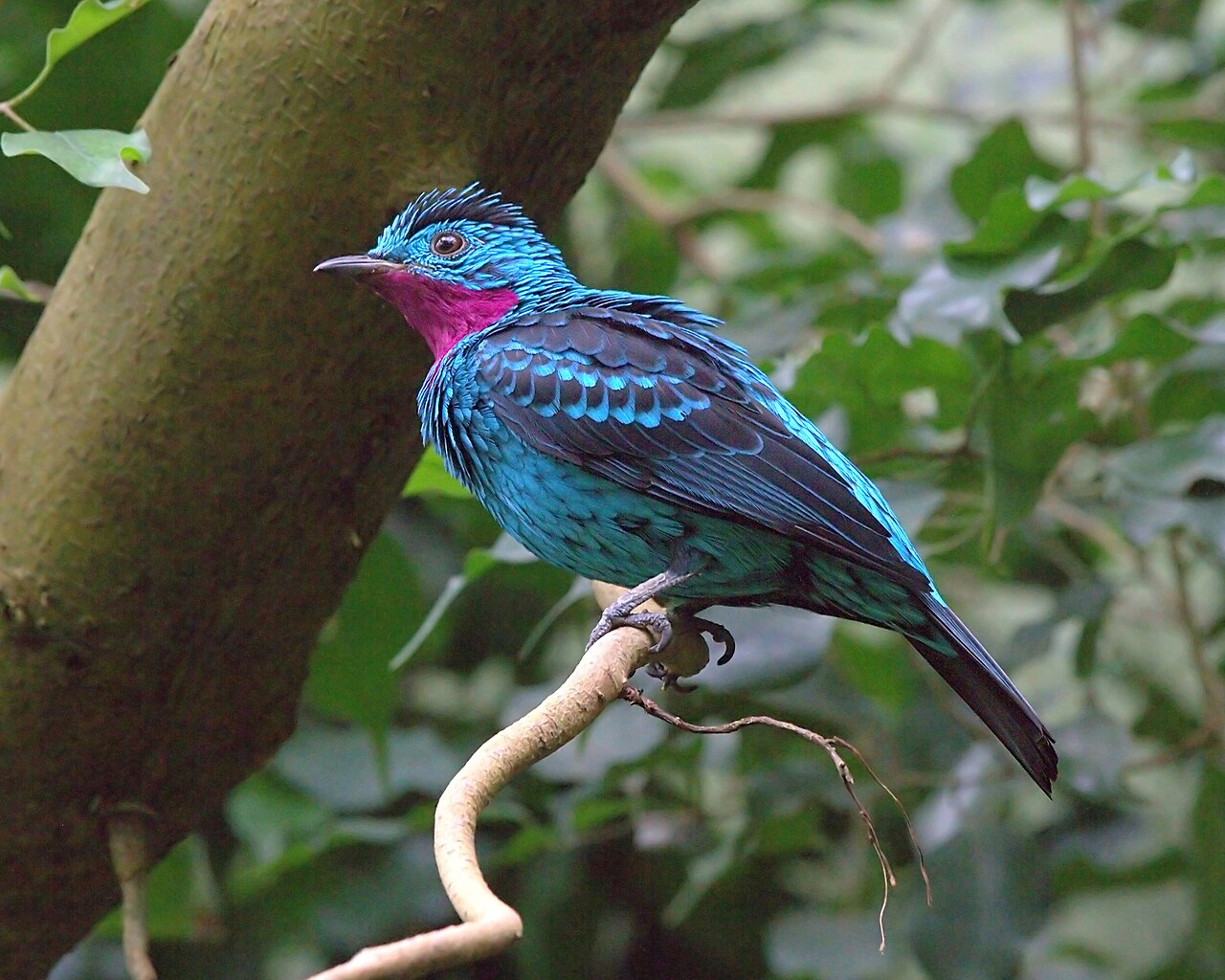
The southern yellowthroat is a New World warbler. It has a number of separate resident breeding populations in South America from southeastern Peru, eastern Bolivia, and south Amazonian Brazil to Argentina and Uruguay. It was previously considered a subspecies of the masked yellowthroat.
Region
South America
Typical Environment
Occurs in scattered resident populations from southeastern Peru, eastern Bolivia, and south-central Amazonian Brazil south to northern Argentina and Uruguay. Prefers wetlands with dense emergent vegetation such as cattails, reedbeds, wet grasslands, and marshy edges of lakes and slow rivers. It also uses shrubby riparian thickets, rice fields, canal margins, and wet pastures, especially where cover is abundant. Avoids interior of closed forests, favoring open, moist habitats with dense low cover.
Altitude Range
0–1800 m
Climate Zone
Subtropical
Ease of Keeping
Beginner friendly: 1/5
Males show a striking black facial mask bordered by gray, while females lack the mask and are duller, which can make pair identification easier. The species was formerly treated as part of the Masked Yellowthroat complex but is now split based on vocal and plumage differences. It keeps low in dense marsh vegetation and often flicks its tail while foraging. Its song varies geographically across its disjunct South American populations.
Temperament
secretive and active
Flight Pattern
short rapid wingbeats
Social Behavior
Typically found singly or in pairs, especially during the breeding season. Nests are cup-shaped and placed low in dense grasses or marsh vegetation. Pairs are generally monogamous, and males sing from exposed perches at the marsh edge. Outside breeding, may join loose mixed wetland bird assemblages but remains skulking.
Migratory Pattern
Resident
Song Description
Song is a bright, chattering series of notes with a rapid, rollicking quality, often delivered from a low perch. Calls include sharp chips and scolds given from cover, especially when alarmed or when foraging in dense reeds.
Plumage
Olive-green upperparts with bright yellow underparts; males have a bold black facial mask bordered by a gray crown and nape, females are olive-yellow with no mask and a plainer face. Tail and wings are olive with minimal patterning. Plumage is sleek and adapted for moving through dense vegetation.
Diet
Feeds primarily on insects and other small arthropods, including beetles, caterpillars, spiders, and flies. Gleans prey from grasses, reeds, and low shrubs, and occasionally sallies for flying insects. Will opportunistically take small seeds or berries, but animal prey dominates its diet. Foraging is typically low and close to cover.
Preferred Environment
Most often forages in dense emergent vegetation of marshes, wet meadows, and reedbeds. Also uses shrubby riparian edges, drainage ditches, rice paddies, and wet pastures. Frequently stays within a meter or two of the ground or water surface.