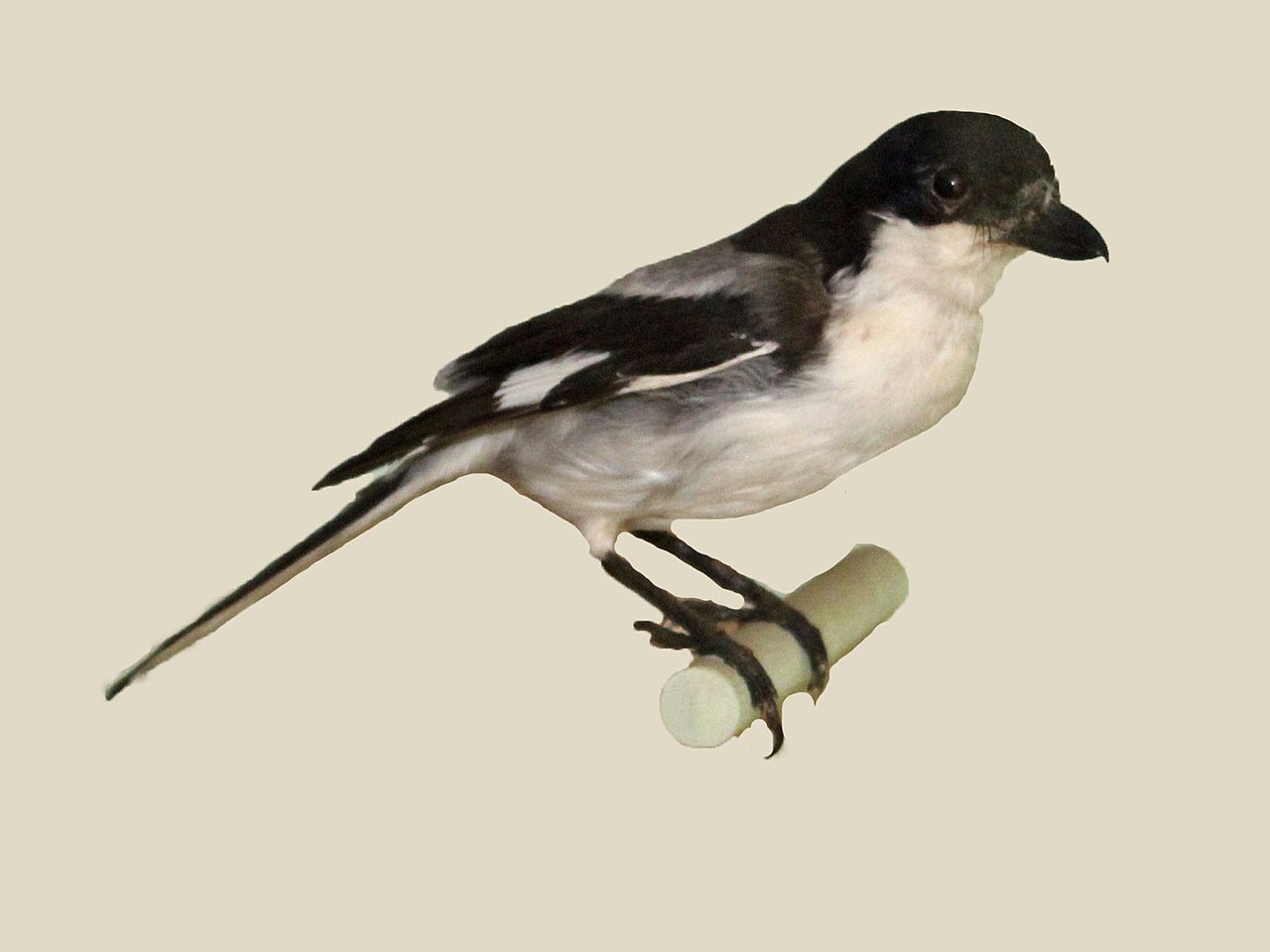
The Somali crombec is a species of African warbler, formerly placed in the family Sylviidae. It is found in Ethiopia, Kenya, Somalia, and Tanzania. Its natural habitat is subtropical or tropical dry shrubland.
Region
Horn of Africa and adjacent East Africa
Typical Environment
Occurs across the dry lowlands and bushlands of Somalia, eastern Ethiopia, northeastern Kenya, and parts of northern Tanzania. It favors acacia–Commiphora thorn scrub, semi-desert scrub, and open dry savanna with scattered shrubs. The species often uses wadi edges, dry riverine thickets, and bushy farmland margins. It generally avoids dense forest and very open treeless desert.
Altitude Range
0–1800 m
Climate Zone
Arid
Ease of Keeping
Beginner friendly: 1/5
The Somali crombec is a tiny, short-tailed African warbler of the family Macrosphenidae, often seen flitting through thorn scrub and acacia bushes. It gleans insects from leaves and branches and frequently joins mixed-species foraging parties. Its sandy isabelline tones blend well with dry bush habitats, making it easy to overlook despite its active behavior.
Temperament
active and somewhat skulking
Flight Pattern
short rapid wingbeats between bushes
Social Behavior
Usually seen singly or in pairs, but often joins mixed-species flocks of small insectivores while foraging. Pairs maintain small territories in suitable bushland. The nest is a small purse-like structure hidden within thorny shrubs, built from plant fibers and spider silk. Both parents tend the young.
Migratory Pattern
Resident
Song Description
Song is a series of thin, high-pitched trills and tinkling notes delivered rapidly from cover. Calls are soft, insect-like tsips that can be hard to localize in windy scrub.
Plumage
Plain sandy-isabelline upperparts with paler buff underparts and a very short, almost absent tail; fine, neat feathering gives a smooth appearance.
Diet
Primarily small insects and other arthropods, including beetles, caterpillars, and spiders. It gleans prey from leaves, twigs, and bark, often probing into thorny acacia foliage. Foraging is quick and methodical, with frequent short hops and brief sallying to snatch prey.
Preferred Environment
Feeds within low to mid-level shrub layers of thorn scrub and open bush, especially in acacia–Commiphora habitats. Also works along edges of dry riverbeds and bushy pastures where insects concentrate.