

The silver gull is a gull in Oceania. It is the most common gull of Australia. It has been found throughout the continent, but particularly at or near coastal areas. It is smaller than the Pacific gull, which also lives in Australia.
Region
Australasia
Typical Environment
Common along nearly all Australian coasts, estuaries, and harbors, and widespread at inland lakes, rivers, and wetlands when water is available. Frequently found around towns and cities, beaches, piers, marinas, and refuse tips. Breeds on offshore islands, sandbanks, saltmarshes, and occasionally rooftops. Irregular movements occur in response to rainfall and food availability, with birds dispersing far inland after major rain events.
Altitude Range
Sea level to 1500 m
Climate Zone
Temperate
Ease of Keeping
Beginner friendly: 1/5
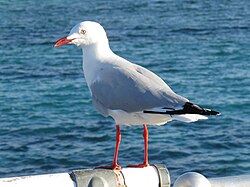
The silver gull is the most familiar gull in Australia, thriving in both natural coasts and highly urban settings. Adults have striking red bills and legs and will readily scavenge at fishing wharves, picnic areas, and landfills. They breed in noisy colonies on islands, sand spits, and even flat rooftops. Feeding them human food can harm their health and encourage aggressive behavior.

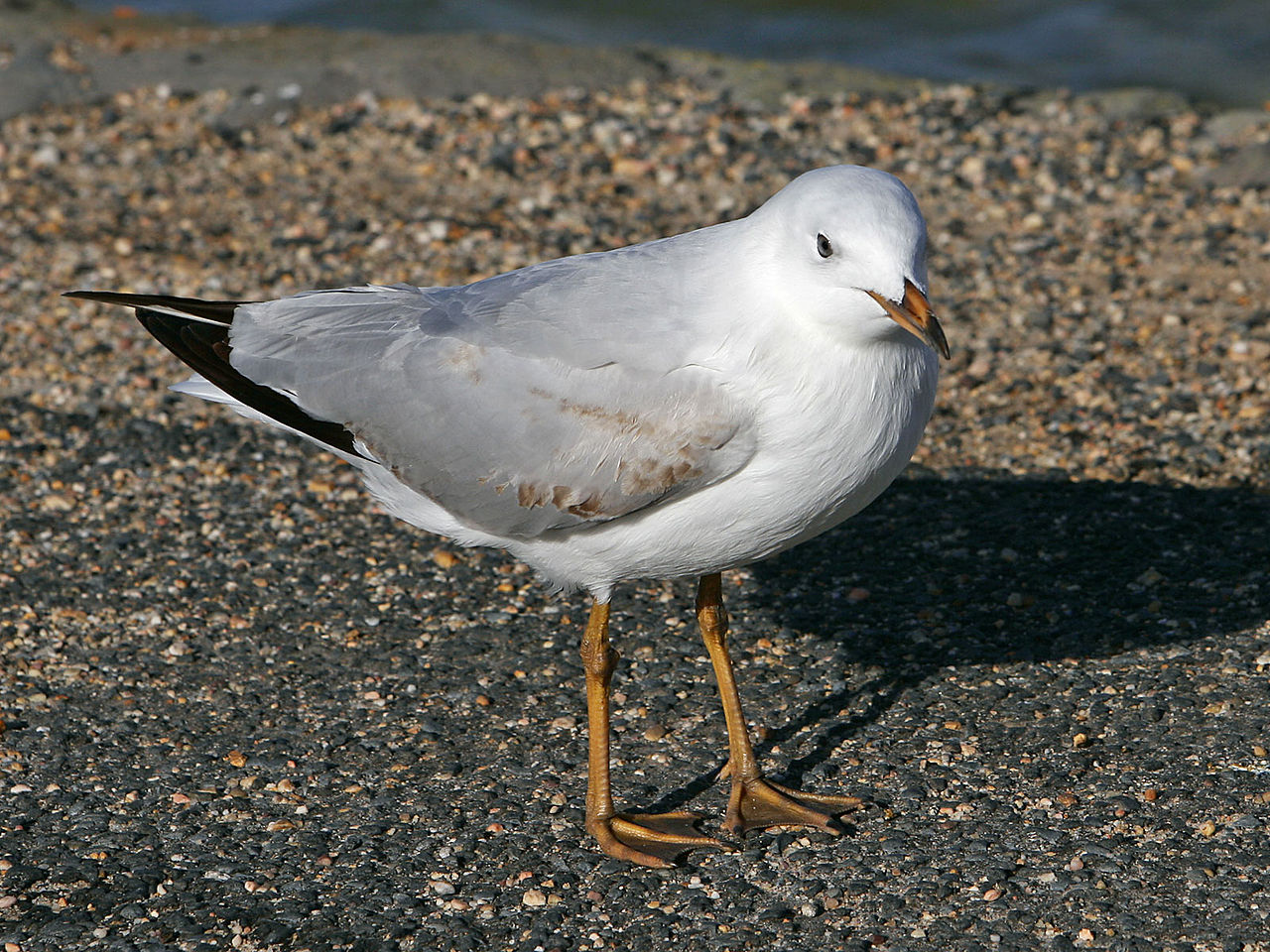
Juvenile (first winter)



Temperament
social and opportunistic
Flight Pattern
buoyant flight with steady wingbeats and occasional soaring
Social Behavior
Often forms large flocks at feeding sites and roosts. Breeds colonially, with pairs building shallow nests of vegetation on the ground or flat structures. Both sexes incubate and feed the chicks, which leave the nest shortly after hatching and form crèches near the colony.
Migratory Pattern
Resident
Song Description
Loud, piercing calls including keeyah and kek-kek notes, along with harsh squawks and chatter at colonies. Vocal in flight and when begging or disputing food.
Plumage
Clean white head, underparts, and tail with pale grey back and upperwings; black wing tips with small white 'mirrors'. Juveniles show brownish mottling on wings and back before attaining adult plumage.
Diet
Takes small fish, marine invertebrates, insects, worms, and crustaceans, and readily scavenges carrion and human refuse. Often follows fishing boats for discards and patrols shorelines for washed-up prey. In urban areas it steals food and exploits landfills and picnic sites.
Preferred Environment
Feeds along beaches, mudflats, estuaries, wetlands, and lakeshores, as well as wharves, marinas, parks, and garbage tips. Frequently forages in intertidal zones and behind boats, and picks insects from the surface of water or land.


