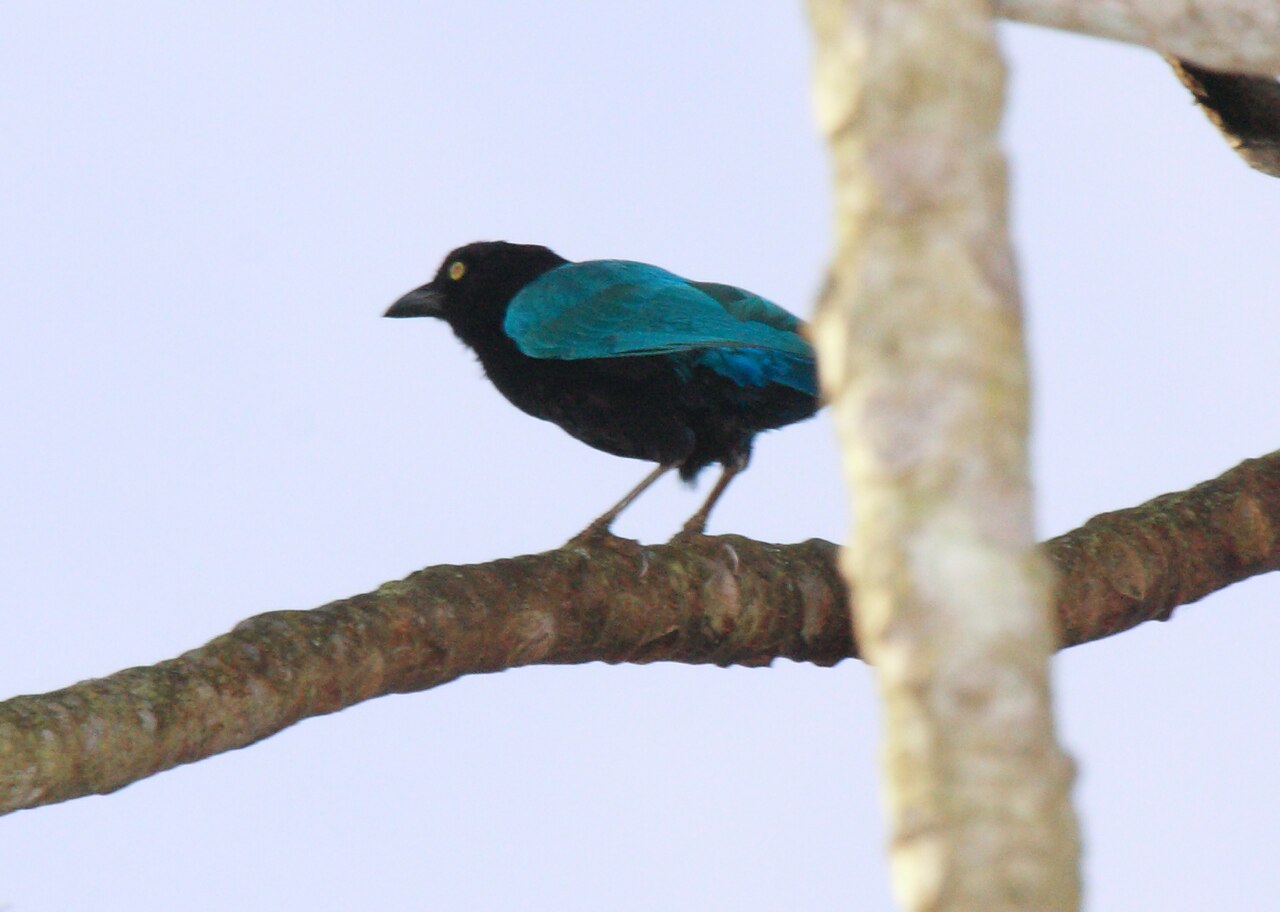
The Samoan triller, known in Samoan as miti tae, is a species of bird in the family Campephagidae. It is endemic to Samoa. Its natural habitats are subtropical or tropical moist lowland forest and plantations. It is threatened by habitat loss.
Region
Samoan Islands
Typical Environment
Occurs in subtropical and tropical moist lowland forests, forest edges, and secondary growth. It readily uses agroforestry landscapes and plantations, including coconut and mixed-crop areas. The species forages from the midstory to canopy and occasionally in taller shrubs at edges. It is less common in heavily urbanized zones but can appear in larger gardens near forest.
Altitude Range
Sea level to 1200 m
Climate Zone
Tropical
Ease of Keeping
Beginner friendly: 1/5
The Samoan triller (miti tae) is a small cuckooshrike that plays a helpful role in controlling insect populations in forests and plantations. It adapts reasonably well to secondary growth and agroforestry, though extensive forest loss remains a concern. Its name reflects the rapid, musical trills that typify its song.
Temperament
alert and active
Flight Pattern
direct flight with short, rapid wingbeats
Social Behavior
Usually seen singly or in pairs, sometimes in small family groups. Pairs defend small territories and maintain contact with soft calls. The nest is a small cup set on a horizontal branch, and both parents participate in rearing the young.
Migratory Pattern
Resident
Song Description
A rapid, melodious trill repeated in short sequences, often delivered from a mid-canopy perch. Calls include sharp chips and softer contact notes between mates.
Plumage
Upperparts are olive-brown to brown with a cleaner, paler throat and underparts that can show light buff tones and faint streaking. Wings and tail are darker with narrow pale edging. Texture is sleek with a modest, smooth contour.
Diet
Primarily feeds on insects such as beetles, caterpillars, and other arthropods gleaned from foliage and twigs. It also takes small fruits and berries when available. Foraging involves careful leaf-gleaning with occasional short sallies to snatch flying prey.
Preferred Environment
Forages in midstory and canopy of lowland forest, edges, and secondary growth. Frequently uses plantations and mixed agroforestry where insects and small fruits are abundant.