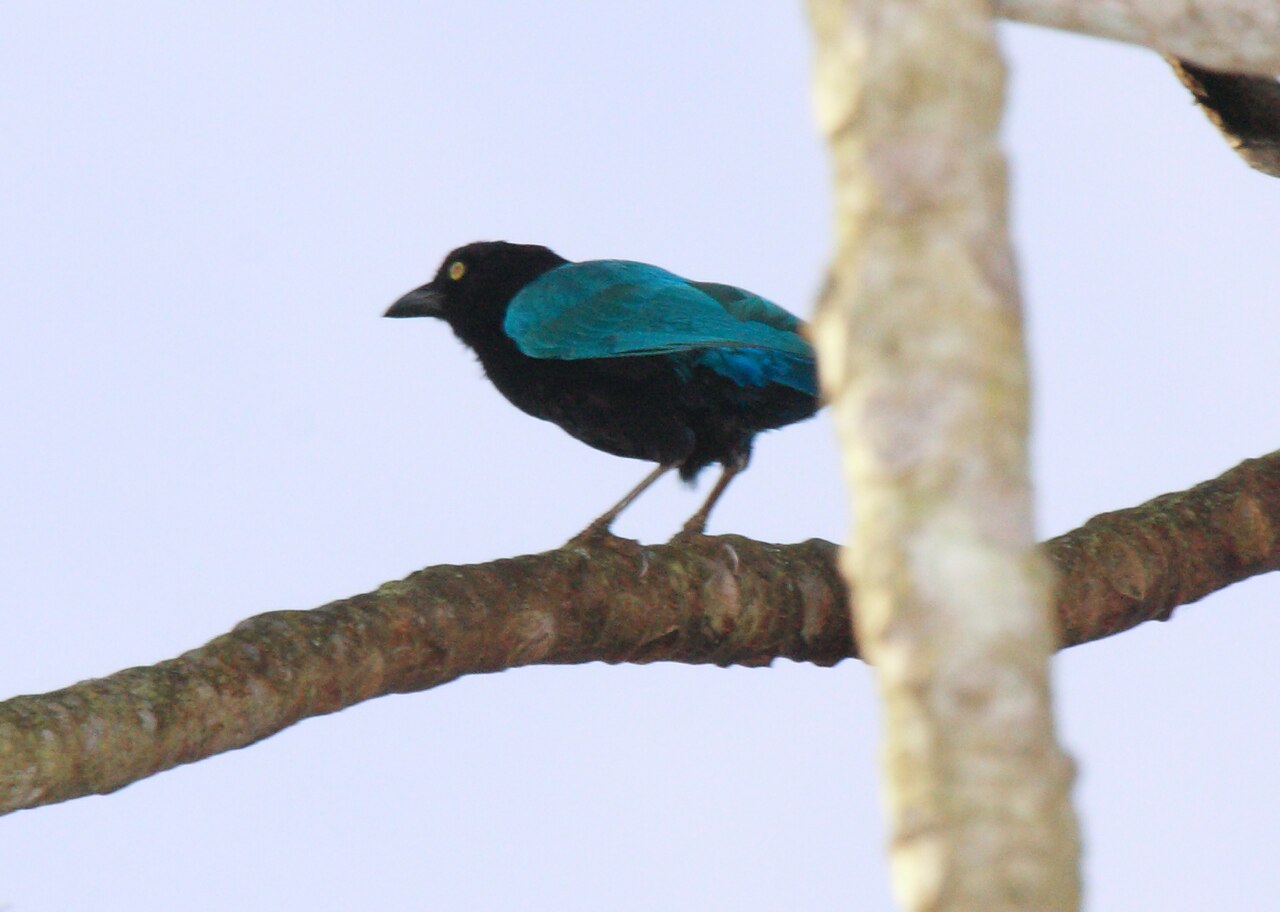
The Samoan woodhen, also known as Samoan wood rail, is a nearly flightless rail endemic to the Samoan island of Savai'i that is Critically Endangered. As it has evolved adaptations for a more terrestrial lifestyle and at least partly nocturnal habits, it is probably better placed in a distinct genus, Pareudiastes, but this issue has not yet been thoroughly researched. It was known as puna'e to the native Samoans; this was said to relate to the bird's habit of making a jumping dash into cover when startled from its resting place.
Region
Western Polynesia
Typical Environment
Historically restricted to the interior forests of Savai'i, favoring dense montane and cloud forest with thick understory. It foraged mostly on the ground along damp forest floors, near streams, and among fallen logs and root tangles. The species avoided open areas and relied on heavy cover for concealment. If still extant, it would persist in the least disturbed, remote upland tracts where predators are scarce.
Altitude Range
400–1800 m
Climate Zone
Tropical
Ease of Keeping
Beginner friendly: 1/5
Also called the Samoan wood rail, this nearly flightless bird was known locally as the puna'e for its habit of making a sudden dash into cover when disturbed. It is (or was) confined to the island of Savai'i in Samoa and appears to be partly nocturnal. Ongoing uncertainty surrounds its taxonomy, with some authors placing it in the genus Pareudiastes rather than Gallinula. It has been driven to the brink by habitat loss and invasive predators, and may be possibly extinct.

Temperament
secretive and wary
Flight Pattern
reluctant flier; mostly runs through dense cover
Social Behavior
Believed to live in pairs or small family groups holding territories in dense forest. Nests likely placed on or near the ground in thick vegetation, with both parents sharing incubation and chick-rearing duties. Breeding probably coincides with periods of peak food availability during wetter months.
Migratory Pattern
Resident
Song Description
Reports describe loud, nasal calls given mostly at night, sometimes a sharp, repeated note followed by quieter clucks. Vocalizations were used for contact between mates and territorial advertisement through dense forest.
Plumage
Predominantly dark brown to sooty with subtle rufous tones; short, rounded wings and sturdy legs adapted for running.
Diet
An opportunistic omnivore, taking invertebrates such as beetles, worms, snails, and other arthropods from leaf litter. It likely supplements this with fallen fruits, seeds, and tender shoots. Occasional small vertebrates or carrion may be consumed when found.
Preferred Environment
Forages on damp forest floors, along stream margins, and among decaying logs where invertebrates are abundant. Uses dense understory and root tangles both for feeding and cover to avoid predators.