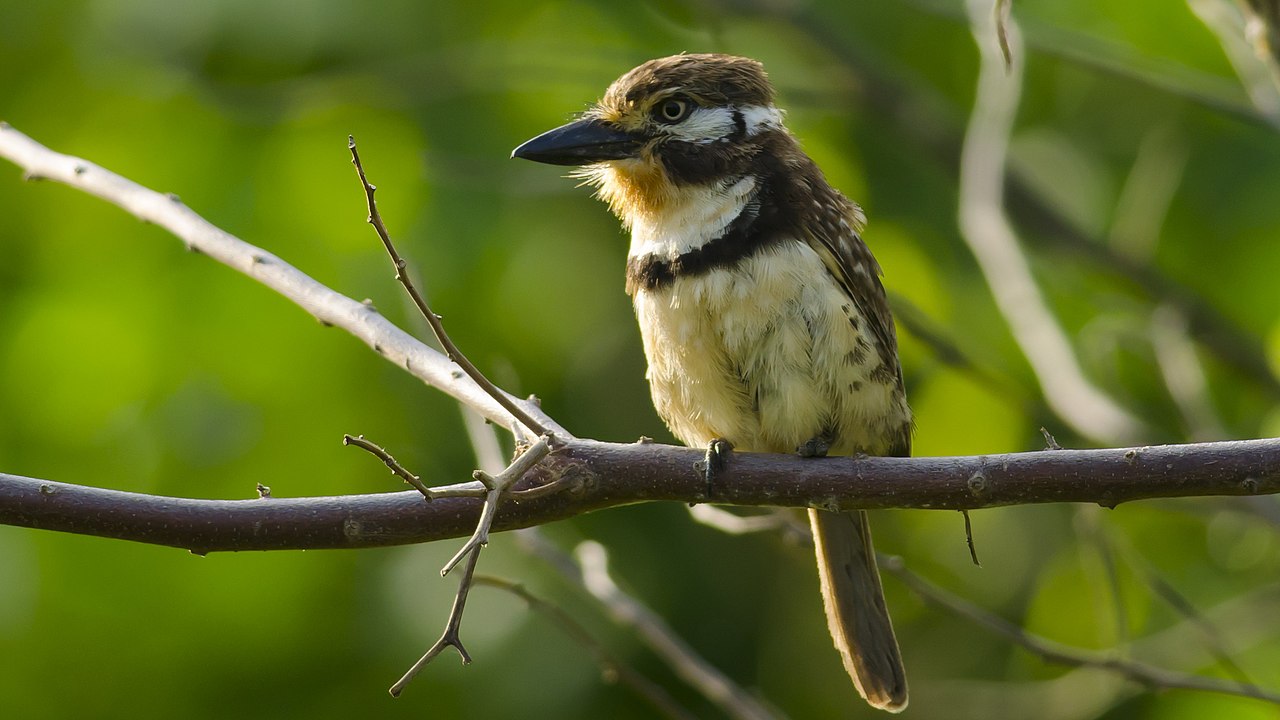
The russet-mantled softtail is a Near Threatened species of bird in the Furnariinae subfamily of the ovenbird family Furnariidae. It is endemic to northern Peru.
Region
Northern Peruvian Andes
Typical Environment
Found on the humid east slopes of the Andes in northern Peru, where it inhabits mossy cloud forest, forest edges, and dense Chusquea bamboo understory. It favors tangled vegetation, viney thickets, and bamboo along ridges and ravines. Occurs in both primary forest and older secondary growth if sufficient understory complexity remains. The species is sensitive to fragmentation and avoids heavily degraded habitats.
Altitude Range
1800–3200 m
Climate Zone
Highland
Ease of Keeping
Beginner friendly: 1/5
A bamboo-loving furnariid, the russet-mantled softtail is endemic to the cloud forests of northern Peru and is assessed globally as Near Threatened due to ongoing habitat loss. It often travels with mixed-species flocks and is more often heard than seen, giving high, thin calls from dense cover. Its long, soft-tipped tail and warm russet mantle are key field marks. Protection of montane forest and bamboo thickets is crucial for its survival.


Temperament
skulking and active in dense cover
Flight Pattern
short rapid wingbeats
Social Behavior
Typically seen in pairs or small family groups that maintain territories year-round. Frequently joins mixed-species flocks moving through the understory. Likely monogamous, nesting concealed within dense vegetation such as bamboo or tangles.
Migratory Pattern
Resident
Song Description
Gives high, thin notes and soft trills delivered from inside thickets. Calls can be a rapid series of sharp chips accelerating into a brief trill.
Plumage
Warm russet mantle and back with a long, soft-tipped rufous tail; grayish to brownish head with a faint pale supercilium; underparts buffy-olive with paler throat.
Diet
Primarily takes small arthropods such as insects and spiders, gleaned from bamboo culms, leaves, and mossy branches. Probes among dead leaf clusters and epiphytes for hidden prey. Occasionally hawks short distances to snatch flushed insects.
Preferred Environment
Forages low to mid-level in dense bamboo and vine tangles within humid montane forest and along edges. Often follows mixed flocks to exploit disturbed prey and shared vigilance.