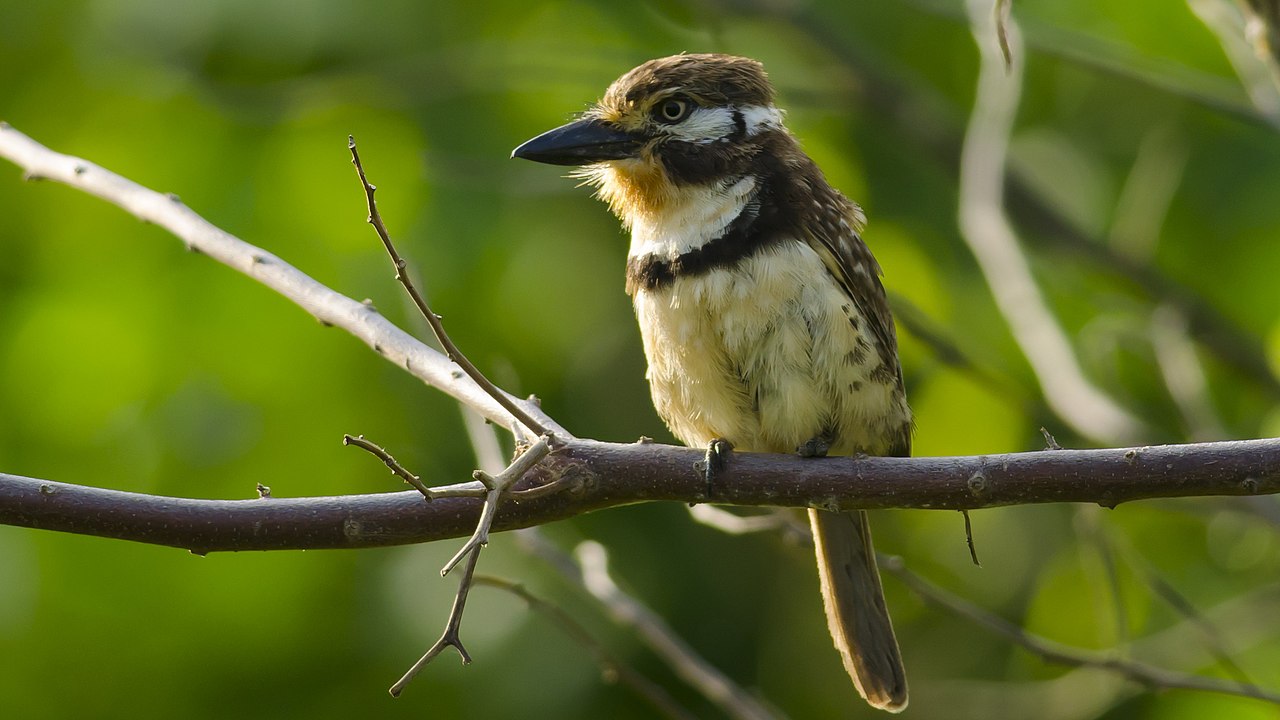
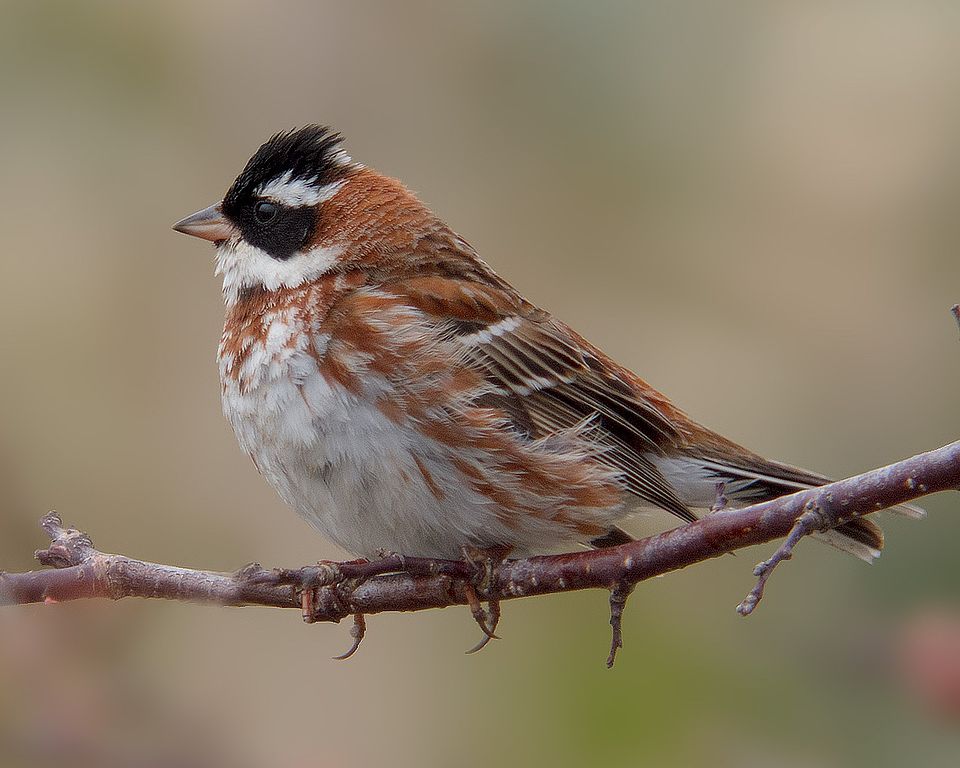
The russet-naped wren, also known as Sclater's wren, is a songbird of the family Troglodytidae. It is endemic to Mexico.
Region
Pacific slope of Mexico
Typical Environment
Found along the Pacific lowlands and foothills of western and southern Mexico from Nayarit through Jalisco, Colima, Michoacán, Guerrero, and into Oaxaca. It favors dry thorn scrub, tropical deciduous forest, second-growth, and semi-open country with scattered trees and hedgerows. It readily uses edge habitats and can be seen near villages and ranchlands. The species is most common at lower elevations but can range into foothills where suitable scrub persists.
Altitude Range
Sea level to 1200 m
Climate Zone
Tropical
Ease of Keeping
Beginner friendly: 1/5
The russet-naped wren (also known as Sclater's wren) is a large, charismatic wren that travels in noisy family groups. It builds bulky, globular twig nests with a side entrance, often placing them high in thorny trees for protection. Pairs frequently duet, and groups may show cooperative breeding, with older offspring helping feed new chicks.


Temperament
social and active
Flight Pattern
short rapid wingbeats
Social Behavior
Often seen in small, cohesive family groups that move noisily through scrub and open woodland. Pairs maintain territories year-round and frequently engage in duetting. Nests are large, globular structures of twigs with side entrances; cooperative breeding with helpers is reported.
Migratory Pattern
Resident
Song Description
Loud, ringing phrases delivered in alternating duets by the pair, interspersed with rapid chatter and scolding calls. The repertoire is varied, with buzzy trills and rich whistles that carry through dry forest habitats.
Plumage
Stout wren with a boldly patterned back and wings, featuring dark barring and spotting, and a contrasting pale underside. A warm rufous patch on the nape contrasts with the brown crown and patterned mantle. The tail is barred and often held cocked.
Diet
Primarily takes insects and other arthropods such as beetles, caterpillars, and spiders gleaned from foliage, bark, and the ground. It also consumes fruits and berries, particularly in the dry season when insects are less abundant. Occasional seeds or nectar may be taken opportunistically.
Preferred Environment
Forages in thorn scrub, edges of tropical deciduous forest, hedgerows, and semi-open country with scattered shrubs and cacti. Often searches low to mid-level vegetation, fence lines, and fallen branches, and will come close to human habitation.