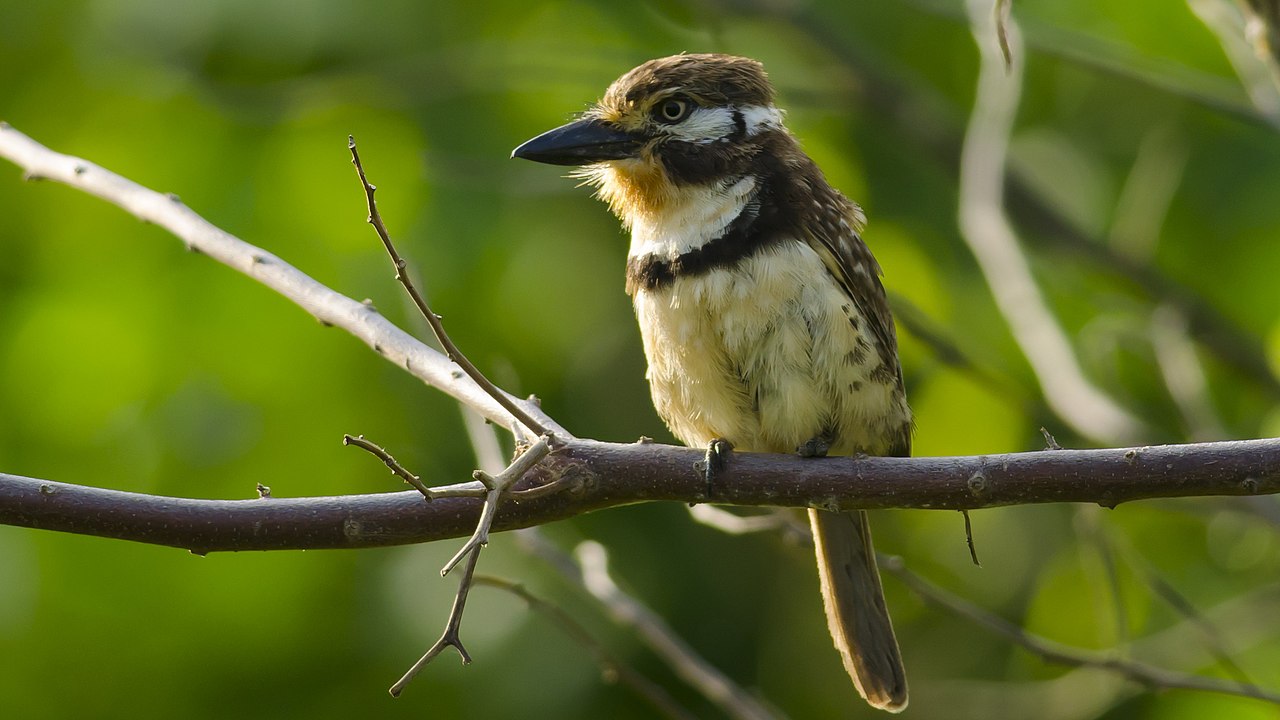
The russet-naped wood rail or rufous-naped wood rail is a species of bird in the subfamily Rallinae of the rail, crake, and coot family Rallidae. It is found from Mexico to Costa Rica.
Region
Mesoamerica
Typical Environment
Occurs from eastern and southern Mexico through Belize, Guatemala, and Honduras to Nicaragua and Costa Rica. Prefers dense cover along freshwater and brackish wetlands, including mangroves, swamp forests, oxbow lakes, and overgrown canal edges. It also uses second-growth thickets, shaded coffee and cacao plantations near water, and the margins of rice fields. Typically remains close to cover, stepping out to feed along muddy or sandy shores and then retreating back into vegetation. Local where suitable wet habitats persist but can be fairly common in intact mangrove systems.
Altitude Range
Sea level to 1500 m
Climate Zone
Tropical
Ease of Keeping
Beginner friendly: 1/5
Once treated as part of the Gray-necked/Gray-cowled Wood Rail complex, it is now widely recognized as a separate species distinguished by its russet nape. It is surprisingly bold for a rail and is often seen along mangrove edges and forested waterways at dawn and dusk. Loud, far-carrying duets are a hallmark of the species, especially during the breeding season.


A. a. plumbeicollis displaying wing and head coloration

Temperament
secretive but relatively bold near dense cover
Flight Pattern
short rapid wingbeats; reluctant flier
Social Behavior
Typically found singly or in pairs, with pairs maintaining territories year-round in dense wetland vegetation. Monogamous; both adults build a platform nest of reeds or twigs slightly above water or in low shrubs. Both sexes incubate and tend precocial chicks, which follow adults soon after hatching.
Migratory Pattern
Resident
Song Description
Vocal, especially at dawn and dusk, giving loud, resonant series of kow-kow and kak-kak notes. Often duets with a mate, producing a carrying chorus that can travel long distances through mangroves and swamp forest.
Plumage
Warm rufous nape and hindneck contrasting with a slate-gray face and breast, olive-brown mantle and wings, and paler underparts. Lower belly and undertail are whitish, setting off darker flanks. The tail is short and often held cocked, exposing white undertail coverts.
Diet
An opportunistic omnivore that takes aquatic and terrestrial invertebrates such as insects, snails, crabs, and worms. Also consumes small amphibians, seeds, fallen fruits, and occasional grains. Forages methodically by pecking and probing in soft mud, leaf litter, and shallow water along edges of cover.
Preferred Environment
Feeds along mangrove fringes, muddy creek banks, flooded forest floors, and the margins of ponds and rice fields. Often stays close to dense vegetation, stepping out briefly to seize prey before retreating to cover.