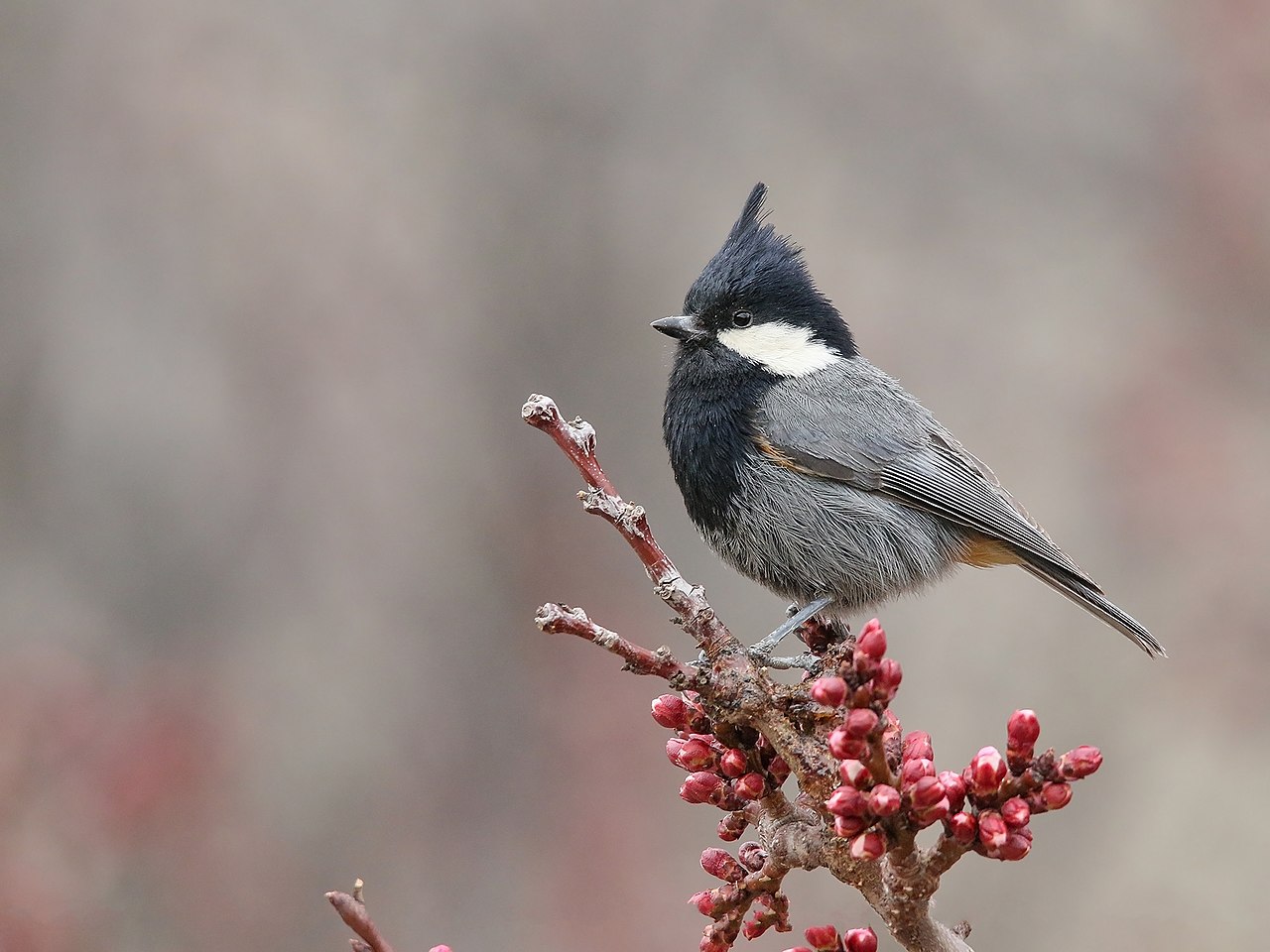
The rufous-lored tyrannulet is a Near Threatened species of bird in the family Tyrannidae, the tyrant flycatchers. It is endemic to Venezuela.
Region
Venezuelan Coastal Range
Typical Environment
Occurs in humid montane and submontane forests of northern Venezuela, especially along forest edges, gaps, and secondary growth near mature evergreen forest. It favors mossy, vine-rich areas and often moves through the midstory to subcanopy. The species also uses forest borders near streams and occasionally shaded plantations adjacent to native forest. Local persistence depends on intact forest patches and connectivity.
Altitude Range
400–1600 m
Climate Zone
Highland
Ease of Keeping
Beginner friendly: 1/5
Endemic to Venezuela’s Coastal Range, this small tyrant flycatcher is often located by its sharp, high-pitched calls rather than by sight. It forages actively in the mid to upper forest strata and often joins mixed-species flocks. Habitat loss and fragmentation in humid montane forests have led to concern; it is assessed as Near Threatened by some authorities. The distinctive rufous lores and yellowish underparts help separate it from similar greenish tyrannulets.
Temperament
active and somewhat secretive
Flight Pattern
short rapid wingbeats between perches
Social Behavior
Usually seen singly or in pairs, frequently accompanying mixed-species flocks moving through the midstory. Breeding pairs defend small territories and place cup-shaped nests in dense vine tangles or foliage. Parental care is shared, with discreet nest approaches to avoid drawing attention.
Migratory Pattern
Resident
Song Description
Gives thin, high, sibilant notes in short series, often a quick tsee-tsee-tsee or rising trill. Calls are sharp and piercing, carrying well through the forest and aiding detection.
Plumage
Small, slim tyrannulet with olive-green upperparts and yellowish underparts; two pale wingbars and faint edging on the tertials. Shows a pale supercilium with distinct rufous-colored lores. The crown and nape are gray-olive, and the tail is slightly notched.
Diet
Primarily feeds on small insects and other arthropods, gleaned from leaves and twigs. It will hover briefly to pick prey from foliage and occasionally makes short sallies to catch flying insects. Small berries may be taken opportunistically but form a minor part of the diet.
Preferred Environment
Forages in the midstory to subcanopy along forest edges, in vine tangles, and near light gaps. Often follows mixed flocks to capitalize on disturbed prey and increased vigilance.