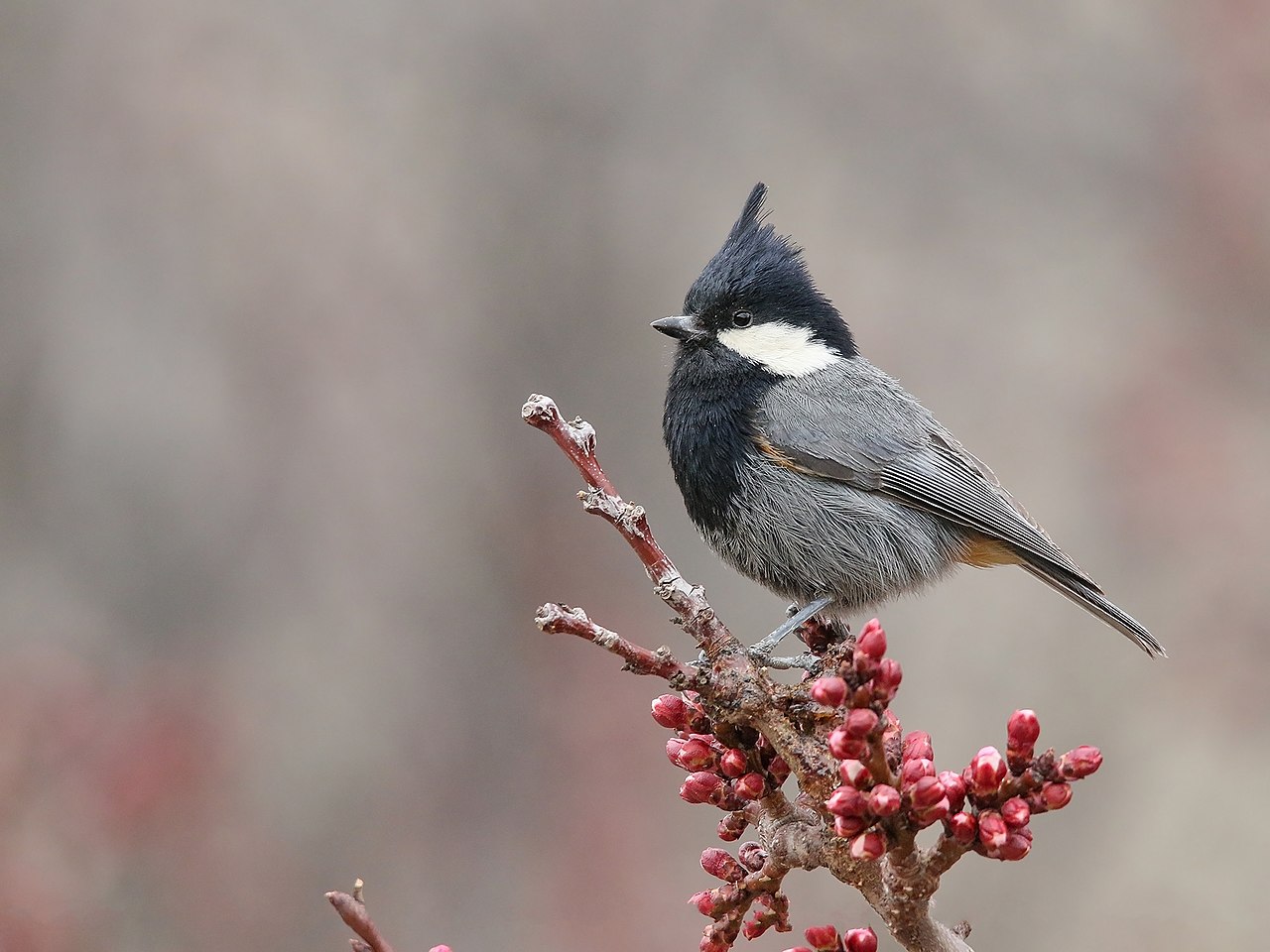
The rufous-naped greenlet is a species of bird in the family Vireonidae. It is found in the Andes in Colombia, northern Ecuador, and westernmost Venezuela. Its natural habitats are subtropical or tropical moist montane forests and heavily degraded former forest.
Region
Northern Andes
Typical Environment
Occurs in the Andes of Colombia, northern Ecuador, and the westernmost ranges of Venezuela. It inhabits subtropical and tropical moist montane forests, favoring mid-elevation slopes. The species readily uses forest edges, secondary growth, and heavily degraded former forest. It also follows riparian corridors and shrubby clearings and can appear in shade-coffee matrices adjacent to intact forest.
Altitude Range
800–2400 m
Climate Zone
Highland
Ease of Keeping
Beginner friendly: 1/5
A small Andean vireo, the rufous-naped greenlet is named for the distinct rufous patch on the hindneck, which can be subtle unless seen well. It often joins mixed-species flocks and forages actively in the midstory and canopy. Formerly placed in Hylophilus, it is now widely treated in the genus Pachysylvia. Its tolerance of secondary growth and degraded forest helps it persist in human-modified landscapes.


Temperament
active and alert
Flight Pattern
short rapid wingbeats between perches
Social Behavior
Typically found in pairs or small family groups and frequently joins mixed-species flocks. Builds a neat cup nest suspended in a fork or supported on fine twigs in the midstory. Both sexes likely participate in nesting duties and defend small territories during breeding.
Migratory Pattern
Resident
Song Description
A soft, vireo-like series of clear whistles and short phrases, often delivered from within foliage. Calls include thin chips and scolding notes given while foraging with flocks.
Plumage
Olive-green upperparts with a distinct rufous hindneck patch and slightly grayer crown; underparts yellowish to yellow-olive with a paler throat.
Diet
Feeds primarily on small insects, spiders, and other arthropods gleaned from leaves and twigs. It also takes small fruits and berries, especially when insect prey is less abundant. Foraging is methodical, with occasional hover-gleaning to pick prey from leaf edges.
Preferred Environment
Forages in the midstory to canopy of moist montane forest, along edges, and in secondary growth. Common along roadsides with overhanging vegetation and in semi-open habitats adjacent to forest.