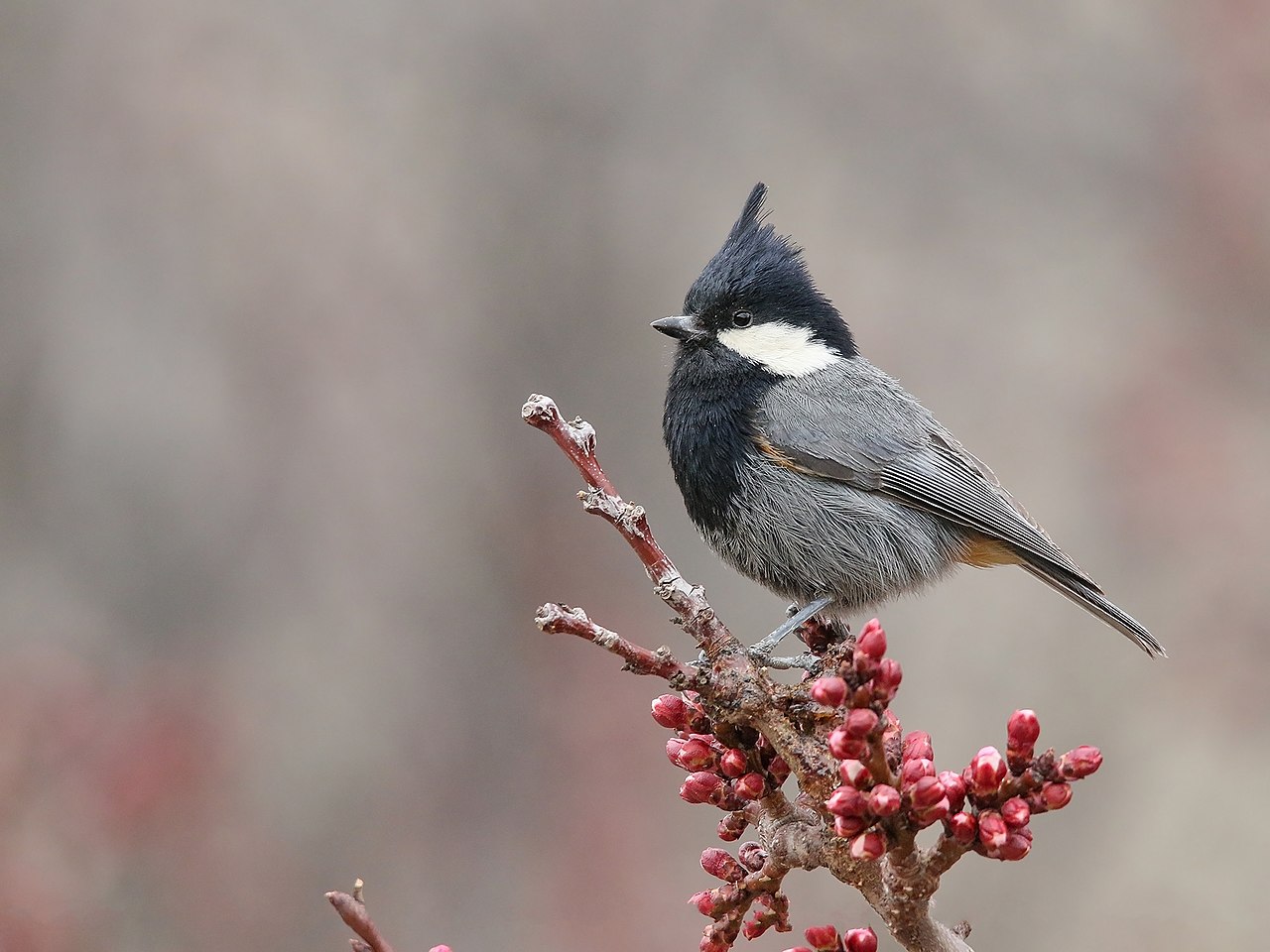
The rufous-naped bellbird, or rufous-naped whistler, is a species of bird in the family Oreoicidae. It is assigned to the monotypic genus Aleadryas. It is found on New Guinea, where its natural habitat is subtropical or tropical moist montane forests.
Region
New Guinea Highlands
Typical Environment
Occurs along the central montane spine of New Guinea in subtropical and tropical moist montane forests. It favors mossy forest, forest edges, and secondary growth within the highlands. Birds are most often found in the mid-story and subcanopy, moving methodically through foliage and vine tangles. It is patchily distributed but locally common where intact forest persists. Occasionally descends along ridges and gullies to slightly lower elevations in cool, shaded habitats.
Altitude Range
800–2600 m
Climate Zone
Highland
Ease of Keeping
Beginner friendly: 1/5
The rufous-naped bellbird (also called rufous-naped whistler) is the sole member of the genus Aleadryas in the family Oreoicidae. Its clear, bell-like song carries far through New Guinea’s montane forests, and the species is often located by voice before it is seen. It is a shy, mid-story insect gleaner that favors cool, mossy habitats. Despite its limited range, it remains fairly common in suitable forest.

Temperament
shy and territorial
Flight Pattern
short rapid wingbeats between perches
Social Behavior
Usually encountered singly, in pairs, or family groups; occasionally joins mixed-species flocks. Pairs maintain small territories and the male often sings from a concealed mid-story perch. Nesting is a neat cup placed in dense vegetation, with both adults attending the young.
Migratory Pattern
Resident
Song Description
A clear, resonant bell-like series of notes, often delivered in spaced, ringing phrases. Calls carry well through dense forest and are the primary cue to its presence.
Plumage
Olive-brown upperparts with a gray head and a distinct rufous patch across the nape; wings and tail dusky brown. Underparts are pale gray to whitish with a light buff wash on the flanks. Plumage appears soft and slightly moss-toned in low light, aiding camouflage in montane forest.
Diet
Primarily feeds on insects and other small arthropods gleaned from leaves, twigs, and mossy branches. It methodically searches mid-story foliage and vine tangles, occasionally sallying short distances to snatch prey. Small berries or other soft fruits may be taken opportunistically.
Preferred Environment
Forages in the shaded mid-story of mossy montane forest, along forest edges, and in mature secondary growth. Often works along ridgelines, gullies, and areas with dense epiphytes.