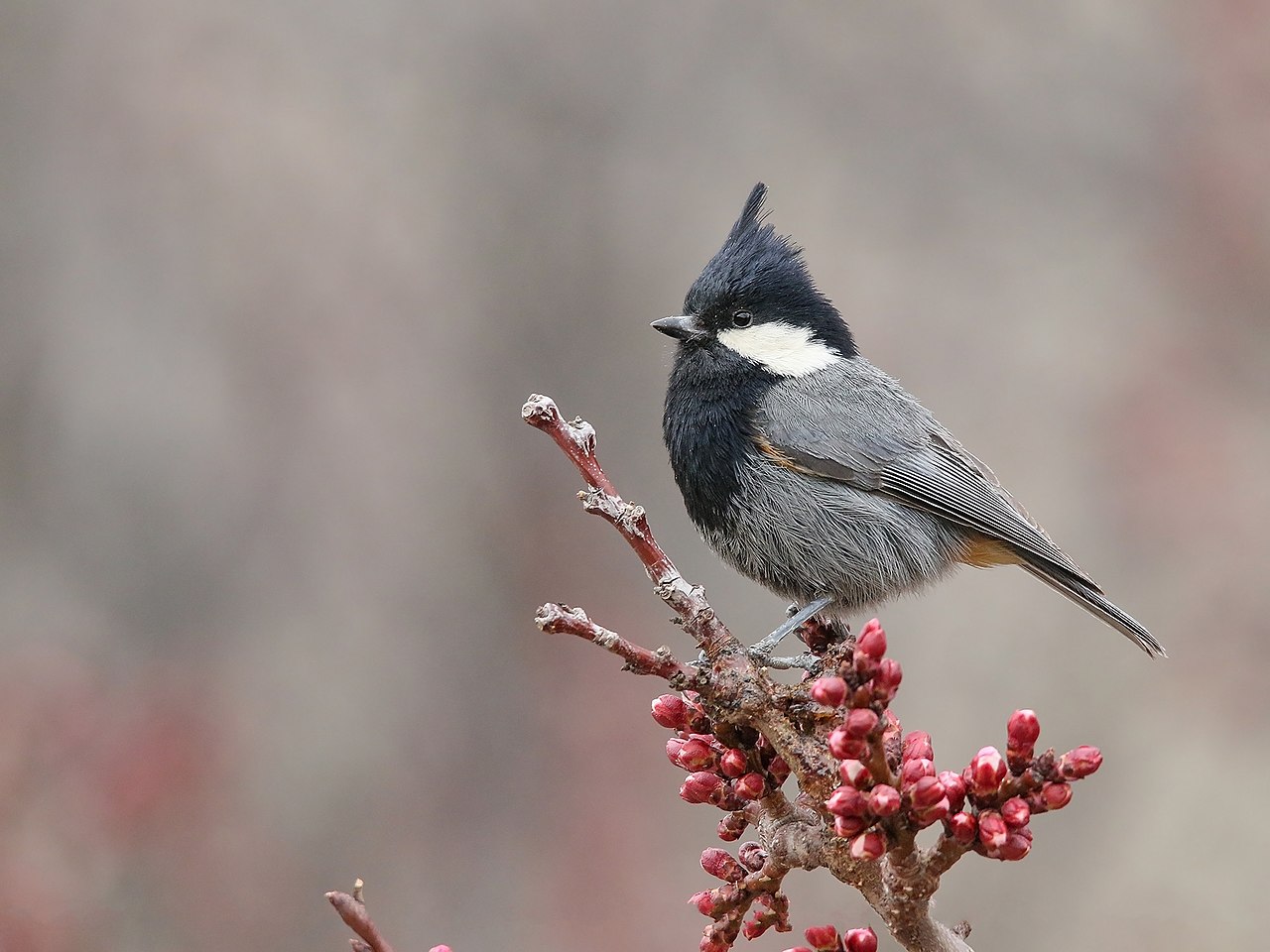
The rufous-naped ground tyrant is a species of bird in the family Tyrannidae, the tyrant flycatchers. It is found in Argentina, Bolivia, Chile, and Peru.
Region
Central Andes
Typical Environment
Occurs in high Andean puna and open montane steppe from southern Peru through western Bolivia to northern Chile and northwest Argentina. Prefers windswept, sparsely vegetated grasslands with scattered rocks and low shrubs. Frequently uses bog edges (bofedales), fallow fields, and open pastures. Typically encountered in pairs or small family groups, often close to ground level.
Altitude Range
3000–5000 m
Climate Zone
Highland
Ease of Keeping
Beginner friendly: 1/5
A high-Andean ground-tyrant, it forages mostly on open ground, dashing after insects and often returning to the same perch on low rocks. The rufous patch on the nape is a key field mark that separates it from other grayish ground-tyrants. It tolerates harsh puna environments with strong winds and intense sun. Pairs typically nest on or near the ground, sheltered by rocks or grass tussocks.


Muscisaxicola rufivertex Joseph Smit, 1867

Temperament
solitary and territorial
Flight Pattern
short rapid wingbeats with low, direct dashes
Social Behavior
Often seen singly or in pairs, defending small feeding areas. Nests are placed on or near the ground, tucked among rocks, grass clumps, or earthen banks. Both adults attend the nest and deliver insects to the young. Outside the breeding season, may form loose groups in suitable feeding areas.
Migratory Pattern
Partial migrant
Song Description
Vocalizations are simple, with thin, high-pitched tseet notes and brief twittering phrases. Displays include short aerial sallies accompanied by sharp calls, especially during the breeding season.
Plumage
Mostly gray to brownish-gray above with paler whitish underparts and a faintly streaked breast. Shows a distinct rufous patch on the nape contrasting with the gray crown and back. Tail is dark with pale to whitish outer feathers, often flashed in short flights. A pale supercilium and clean throat are usually evident.
Diet
Feeds primarily on flying and ground-dwelling insects such as beetles, flies, and small moths. Employs run-and-pause foraging on open ground, sallying to snatch prey from the air or picking it from the surface. Will probe among short grass and around rocks where insects concentrate. Occasionally takes small arthropods flushed by wind or grazing animals.
Preferred Environment
Open puna grasslands, short pastures, and bog margins with scattered rocks for perching and vantage points. Often forages near waterlogged meadows (bofedales) where insect activity is high.